BLOG
Where do I start? Renovating your home, the ultimate guide
Every renovation presents an almost endless sequence of choices; some are technical, others purely aesthetic, and many seem urgent without truly being so. In this background noise, the most common risk is chasing an ideal image—often seen elsewhere—and losing sight of what makes a space authentic. A successful interior is not one that follows all the rules, but one that manages to convey a sense of recognition: entering and thinking yes, this place has its own voice.
A good starting point is always what already exists
The furnishings, objects, even imperfect or outdated pieces are often the most sincere trace of a personal style; a beloved painting can suggest a color palette, a piece of furniture found by chance can become the axis around which to build a room. It’s not about adapting everything to a precise aesthetic, but about reading what you own as an already available lexicon, to be reorganized with greater awareness.
Color, in this process, plays a central role; not as a superficial decorative choice, but as an emotional tool. Color preferences are not arbitrary and should not be neutralized for fear of making mistakes; it is true that light affects — north-facing rooms often require warmer tones, bright ones can afford cooler shades — but almost any color can work if used intelligently. The deeper, muted, or earthy versions of “emotional” hues are often the key to making them mature, livable, and lasting.
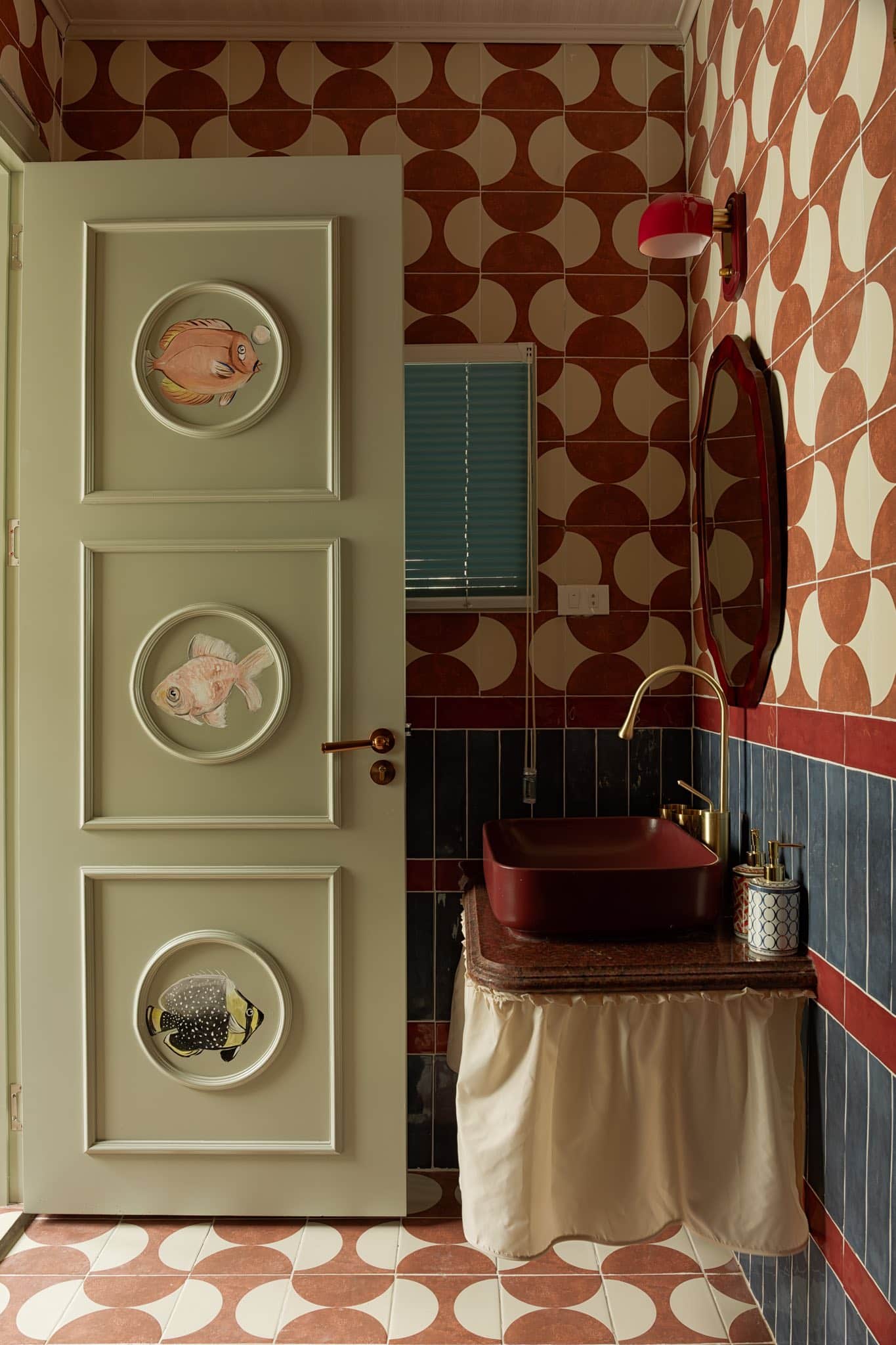
Inspiration rarely comes from the most obvious places
Travel, for example, should not be translated into literal scenographies; bringing home objects without reworking them risks creating out-of-context environments. It is much more effective to retain a feeling: a combination of colors seen elsewhere, a balance between full and empty spaces, a certain quality of light. Even cities, museums, hotels, or other people’s homes become visual archives from which to extract suggestions, not models to replicate.
There is also an immaterial material that often returns in the most successful interiors: memory; nostalgia, if used sparingly, is a powerful design tool. Colors linked to childhood, family fabrics, inherited and recirculated seating not as relics, but as living elements; inserted into the present, these references create spaces that do not seem just set up, but built over time: it is this layering that makes a home credible, not stylistic homogeneity.
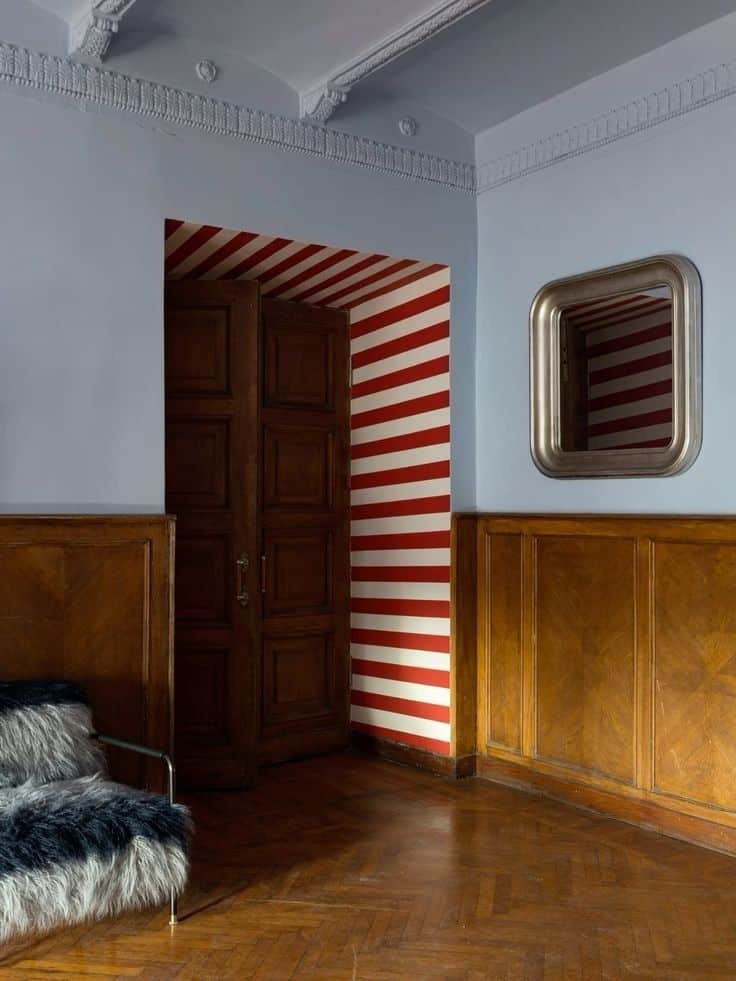
Observing other people’s environments can also be useful, provided you do not stop at the surface; you do not “steal” a sofa or a kitchen, but the atmosphere: the way objects coexist, the relationship between full and empty spaces, that sense of understated comfort that makes you feel at ease. Often it is the sum of small details — books left in view, personal images, lived-in materials — that define the character of a space more than any iconic piece.
Finally, the screen; cinema and television series continue to influence the domestic imagination, not so much for trends but for their ability to depict credible environments. Pausing a scene to observe a tone, a light, a composition is a useful exercise: not to copy, but to understand what struck you and why.
In the end, renovating a home that truly works does not require an aesthetic manifesto but attention, listening, and a certain willingness to trust your own reactions. If something elicits an instinctive response, it is likely worth the space. Even — and especially — when it does not follow a precise trend.
Photo credits: Facebook / Pinterest