BLOG
What is transitional interior design? Trade secrets
If you are a beginner looking to update your home’s interior design but don’t know where to start or which design style is right for you, we have created a series of articles that analyze different styles and what it takes to have them in your home. Okay…
But when you try to create a different and studied mix of eras and elements in your home, any interior designer will suggest a decor with a transitional style as one of the options to consider.
But what does it mean in a nutshell and what are the best ways to make it work?
What does transitional design mean?
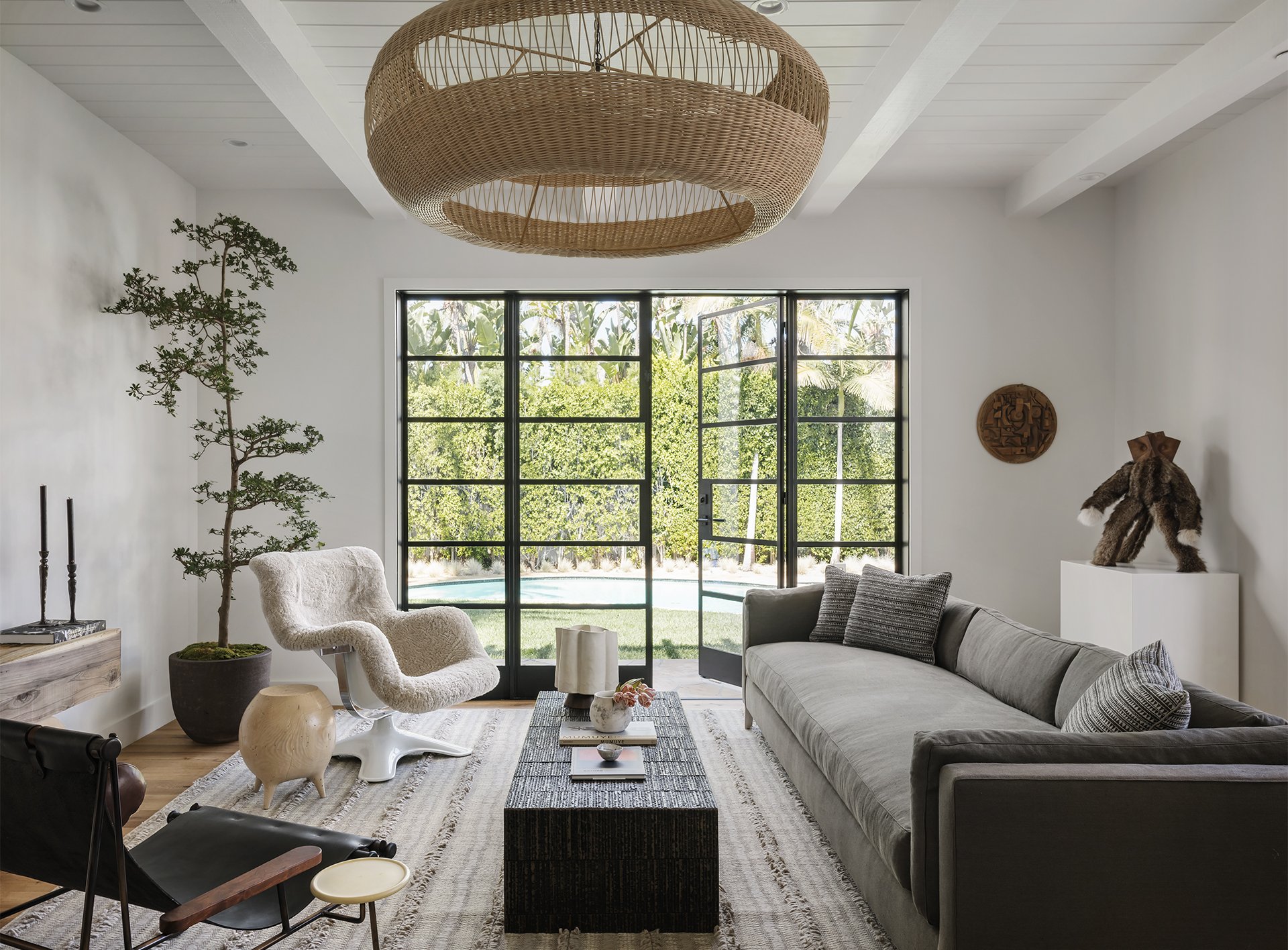
Transitional decor refers to a mix of furnishings and decorative elements, both traditional and modern, that give you more freedom when trying to decorate your home: ideally following a combination of various design styles brought together to create a cohesive aesthetic in a room.
Although the mix of furnishings may initially seem completely disjointed, the key to mastering it is finding a path that makes everything look right together while representing you and your lifestyle. Think of a restful and serene transitional living room with a mix of contemporary, modern, and even antique furnishings.
Reasons why you will love this style
The transitional style is great for those who do not have a strong interest in having a set era or style in their home: there is more freedom and you can experiment until the mix feels right for you. In general, if done well, you will find that what is created will capture the attention and interest of those who visit you: each piece will truly tell its own story.
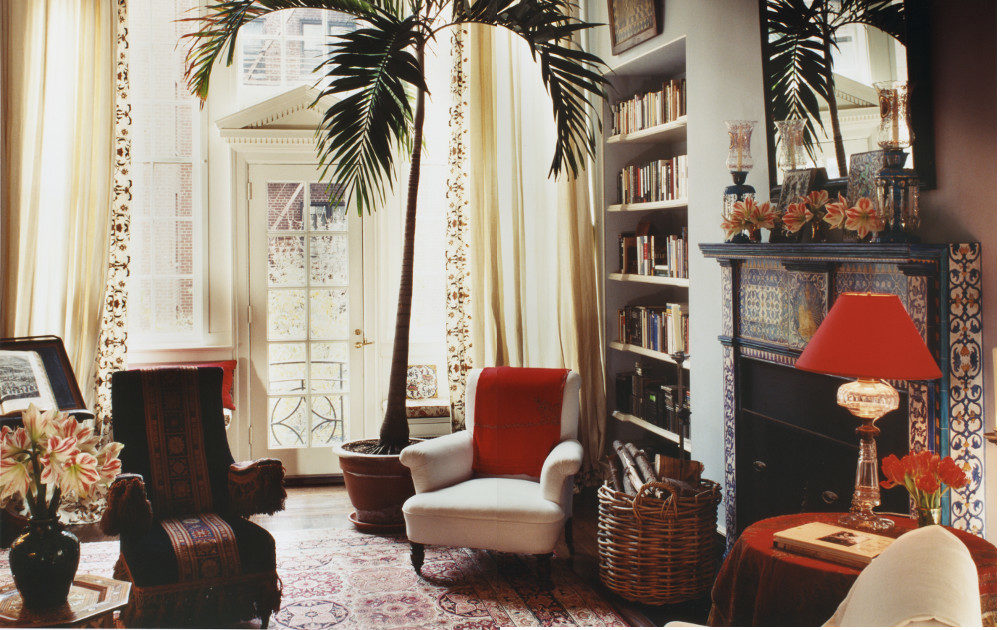
But of course there are risks
When it comes to perfecting such an intoxicating, visually striking, and unique mix, problems will certainly arise when trying to make it all work together.
- Playing on a scale of different sizes is crucial: the key here is to keep most of the furnishings and accessories in a room relatively the same size, except for a couple of oversized focal points; for example, choosing imposing main tables, or truly impactful sofas and wall art.
- Color is another issue you may encounter: too many colors and patterns in a room compete with each other and the eye won’t know where to focus. While too much sameness will do exactly the opposite; the key here is to be varied and look for common denominators that make everything work together without being too similar.
- Another problem lies in the mix of assorted eras and design styles required by transitional decor: to make it all work, stick to a handful of elements so that everything is not competing or appearing completely random. That said, we suggest sticking to only 3-4 common themes and elements to keep everything unified, no matter how different they are.
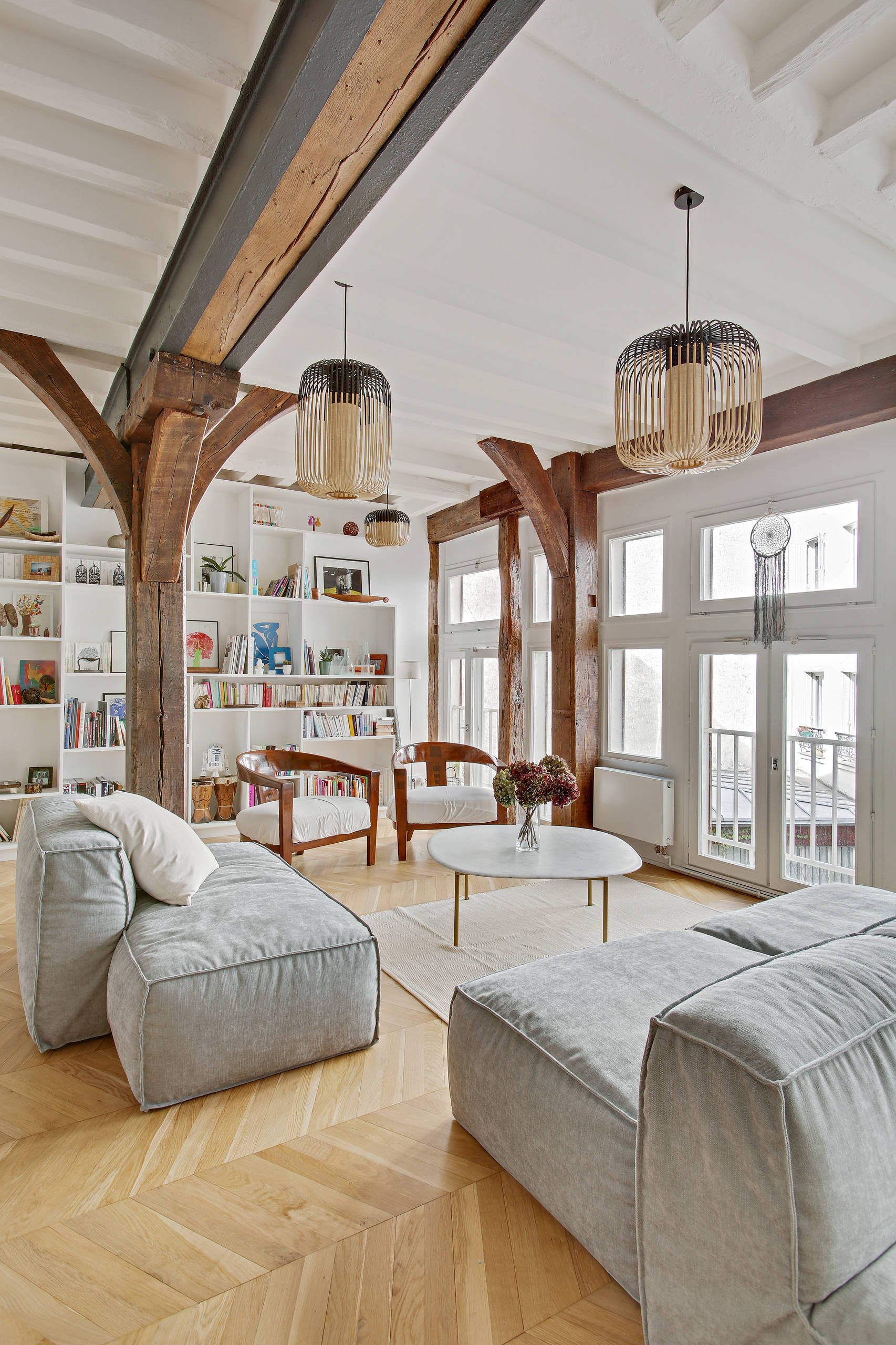
So, how do you create transitional interior design?
The decor should be centered on a rich balance of styles and design elements united by classic lines juxtaposed with tones and furnishings that have a contemporary spirit; to emphasize this design, add accessories full of life and history to create a slightly out-of-place assortment of surprises and conversation starters.
- As for the color range, aim for four or five tones of the same shade to keep everything consistent.
- For accessories, transitional interior design allows you to “support” extraordinariness to achieve a rich and layered mix.
- Since this design relies on unexpected but carefully coordinated mixes, choose simple silhouettes counterbalanced by rounded elements to keep the eye moving around the room.
In a well-executed transitional style home, every element should stand alone, but at the same time, all elements together should create a rich assortment that works brilliantly.