BLOG
What is the kitchen work triangle? Let us explain it to you
Have you ever wondered what the kitchen triangle is and how to implement it? Here’s everything you need to know about this classic: whether you want to renovate your kitchen or not, you’ve probably already come across this term…
So, what exactly is the kitchen triangle?
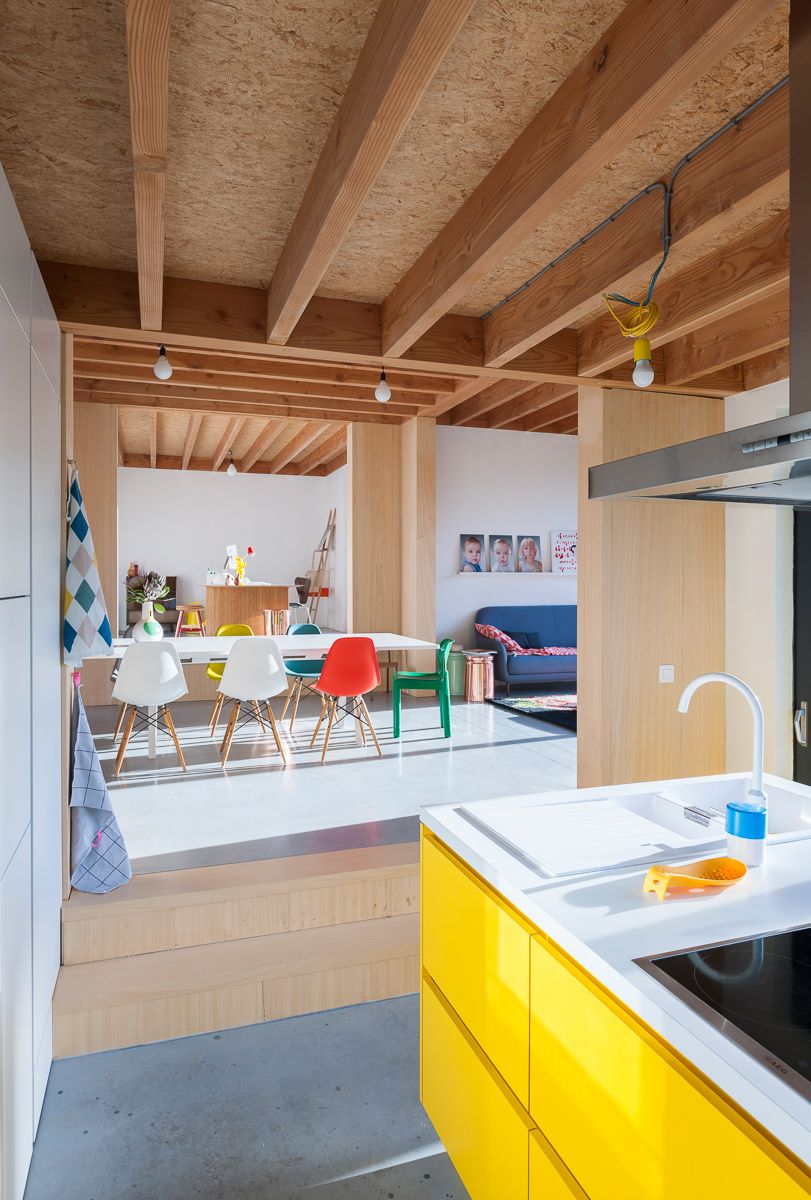
The kitchen work triangle is a classic design principle that focuses on the relationship between the three most essential areas of the kitchen: the sink, the stove, and the refrigerator. The goal is to create an efficient workflow that minimizes unnecessary movements, helping to simplify daily tasks such as cooking, cleaning, and storing food: the idea is to create a triangular arrangement between these three zones to ensure everything is easily accessible while leaving enough space for safe and efficient movement.
There is a certain magic in this concept that becomes evident when you work in a well-designed kitchen.
Origins of the kitchen work triangle concept
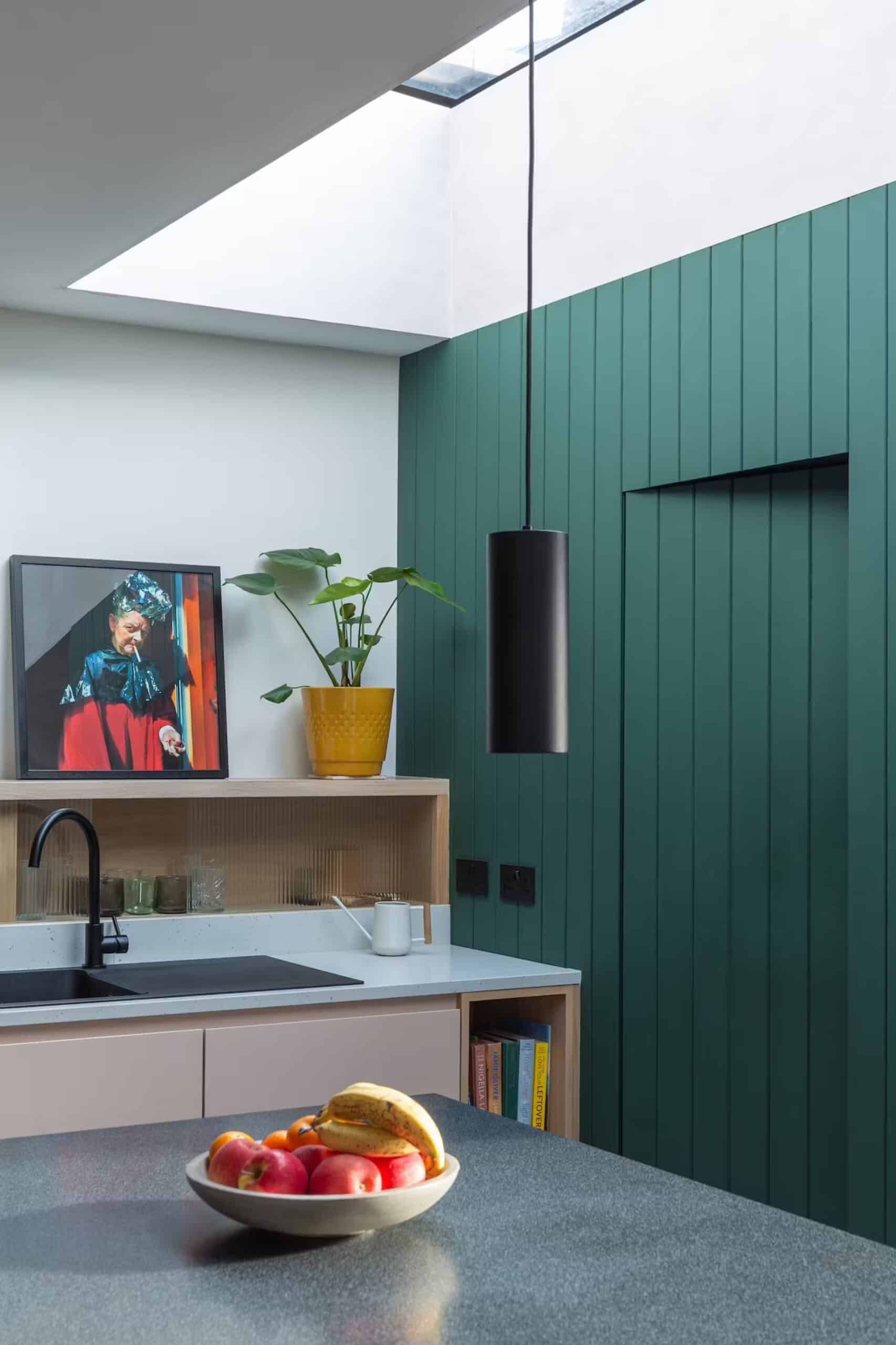
The kitchen work triangle concept originated during the 1940s-50s, with the general rule being that the recommended overall distance (summing the three sides of the triangle) is 6 meters, while the distance between two points is at least 90 cm; this creates a balanced arrangement where the most important activities (preparation, cooking, and storage) occur naturally, without creating overcrowded or dispersive situations.
- Placement: the stove, sink, and refrigerator should form the three corners of the triangle. Having close access to everything you do while cooking and preparing is a priority.
- Clear paths: ensure there are no obstacles blocking movement between these areas; if a kitchen island is part of your design, it should complement the triangle rather than disrupt it.
Advantages of the work triangle design
It certainly minimizes movements, allowing you to work more quickly. You are less likely to walk back and forth unnecessarily in the kitchen, making meal preparation faster and easier; it can help when moving heavy or awkward items like pots and pans; keeps workspaces organized and reduces the risk of accidents like burns, ultimately optimizing your time in the kitchen, leaving more room for other activities.
Disadvantages of the kitchen triangle
Many consider the work triangle obsolete for modern kitchens where a three-point configuration does not always work well with larger and open space layouts, not taking into account modern innovations like microwaves, dishwashers, or double ovens, which can complicate its utility: moreover, in today’s homes, kitchens are not just for cooking.
However, even if some consider it old school, the work triangle is still a great starting point, especially in small or medium-sized kitchens with limited space.
For kitchens that do not fit the traditional triangular model, various alternatives can be just as efficient:
- Zone design: this layout divides the kitchen into zones for different activities, such as cooking, preparing, and cleaning. Each zone is equipped with the necessary appliances and utensils to complete the task efficiently, particularly useful in larger kitchens where multiple people might work simultaneously.
- L-shaped kitchen: this design works well in open-plan homes where the kitchen should feel part of the living area. The L-shape allows for more counter space and can be adapted to include seating areas while still maintaining an efficient workflow.
- Island-centered layout: in larger kitchens, an island can become the focal point of activity, with the stove, sink, and refrigerator positioned around it. This layout creates a circular flow of movement rather than relying on a triangular shape.
Each of these alternatives reflects the necessary flexibility in modern kitchen design while maintaining the principle of keeping things efficient. Whether you stick to the triangle or adapt to one of these alternatives, the most important thing is to ensure your kitchen supports your lifestyle.
Photo credits: dwell / pinimg