BLOG
What is the Japandi trend and how to recreate it at home
If cottagecore seemed a bit dark, cluttered, and “mossy” for your taste, one of the interior design trends gaining the most traction is Japandi. This design marries two minimalist aesthetics, infusing the Japanese principle of wabi sabi (finding beauty in life’s imperfections) with the Scandinavian decor penchant for elegant yet comfortable furnishings. It’s minimal without feeling rigid, bright without being blinding: Pinterest has seen searches for “Japan” increase by 100% year over year, prompting the social platform to consider it “the new modern.”
Japan teaches us to find beauty in imperfection, to establish deep connections with the earth/nature, and to enjoy the simple pleasures of life. So, how do you achieve that Zen feeling in your home? Here are our suggestions.
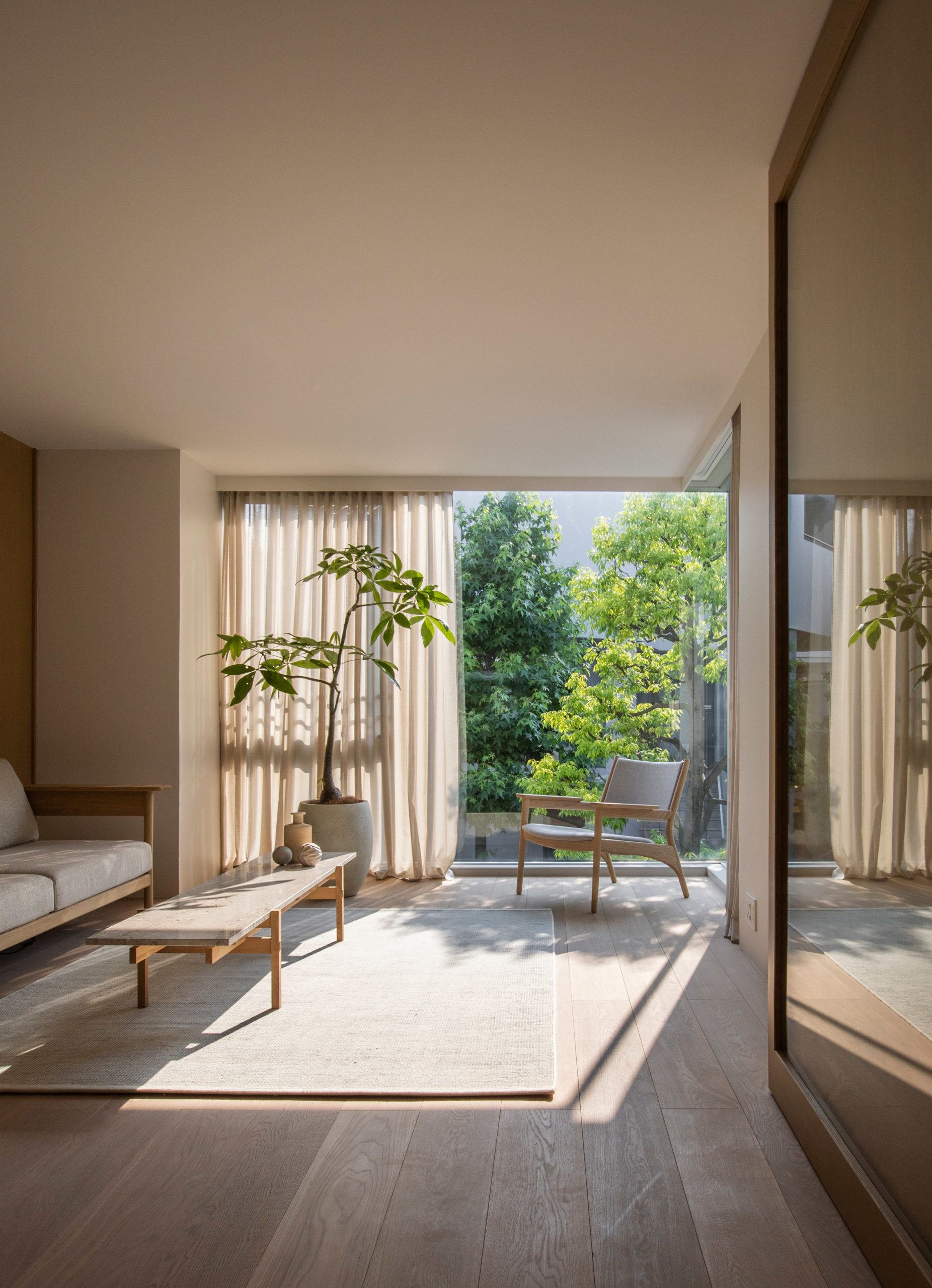
Keep your color palette “earthy”
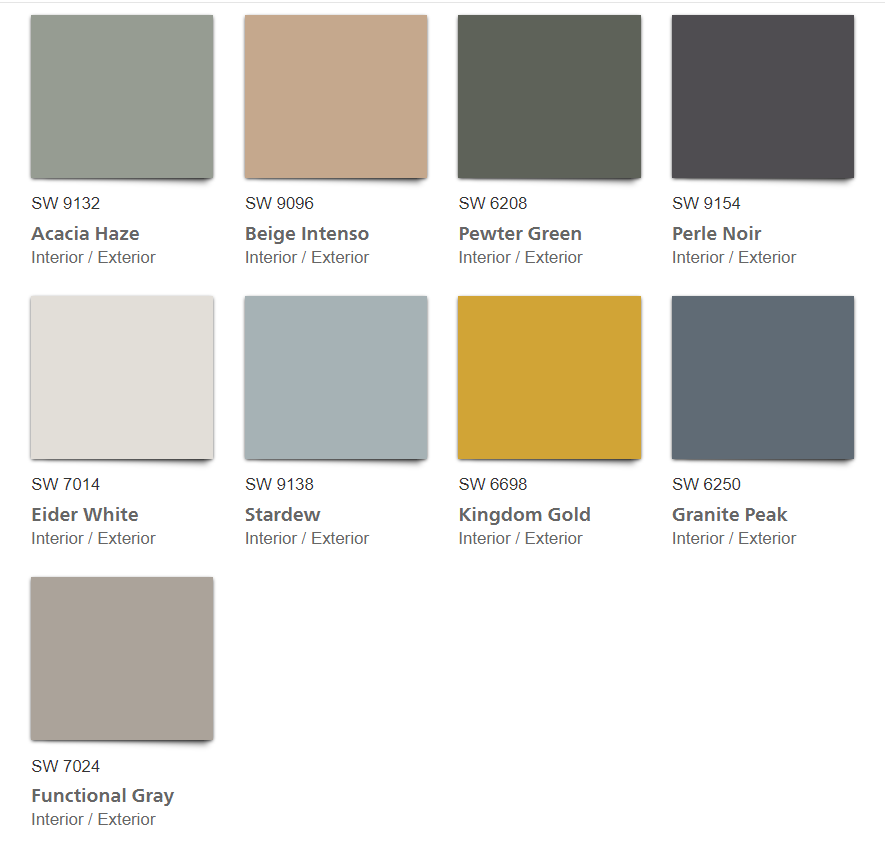
Part of what makes Japandi so appealing is how you can create a space that is both bright and tranquil. The key to achieving that mix is to focus on earthy and muted tones: think matte finishes and a light color scheme that leans towards creamier shades rather than stark neutrals.
Decorate with sustainability in mind
Follow the wabi sabi principle and embrace imperfection by continuing to use your furniture even when remodeling your home. Sustainability is a huge component of Japandi design, along with comfort, simplicity, and the integration of natural elements, so if you purchase new furnishings, we suggest looking for vintage items or handmade pieces that incorporate eco-friendly materials.
Choose materials that will age over time
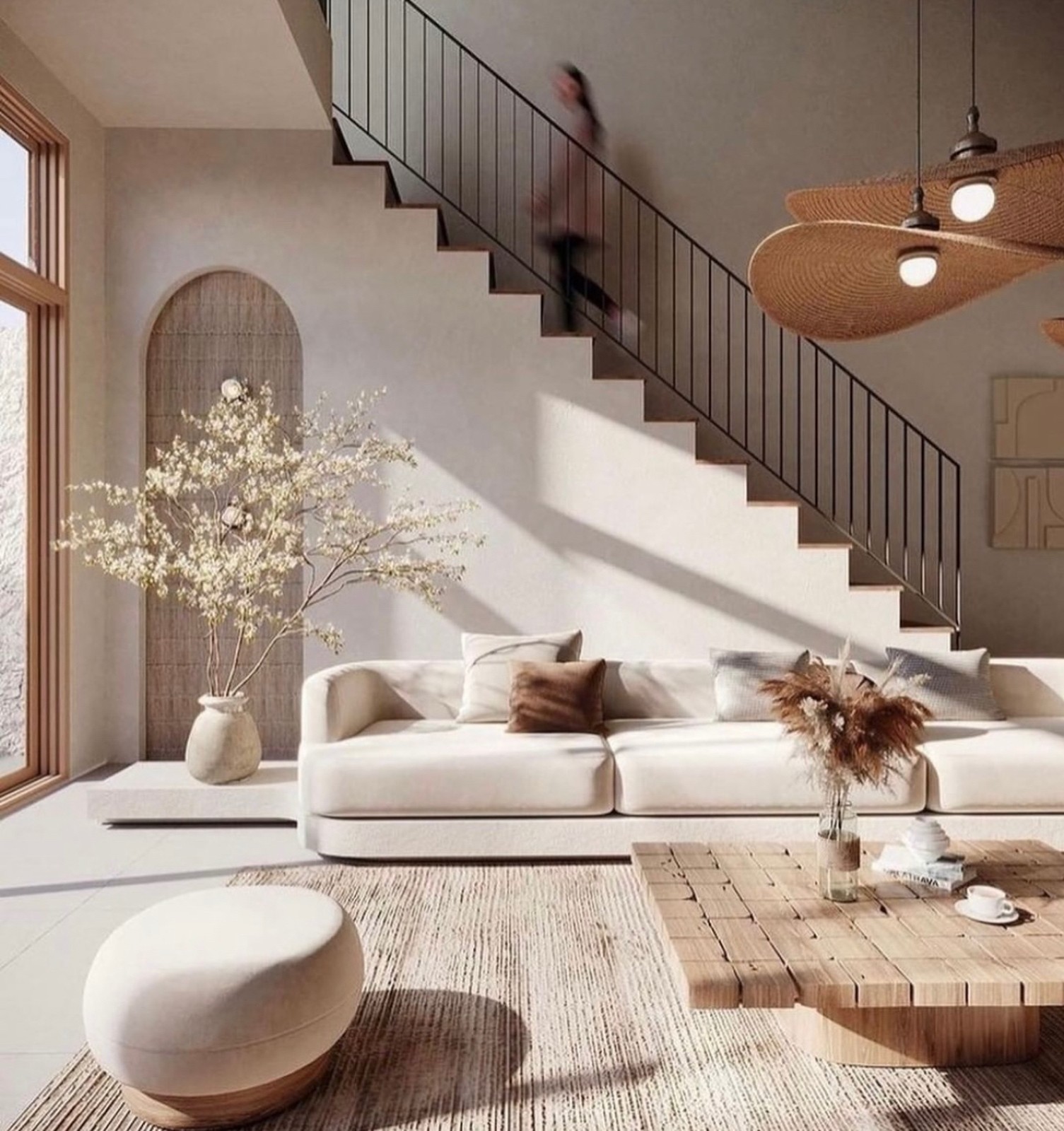
A bit of wear adds character and charm to a room, and it’s right in line with Japandi principles. To achieve this, opt for natural stone materials, or marble and wood, in every room. White oak, pine, and other light woods are particularly favored by this aesthetic, but that doesn’t mean they all have to be the same tone. In fact, we recommend the opposite: to create depth and interest when incorporating Japandi design, use different materials with layered textures.
Choose low furniture
One of the hallmarks of Japandi interiors is the use of low furniture: being close to the ground should inspire peace and serenity and provide a welcoming and comfortable atmosphere to your interiors.
Solid wood furniture should not be afraid to be paired with Scandinavian-style chairs or other elements; just stick to a choice of furniture with clean and simple lines: anything overly ornate or excessively embellished would clash with the Japandi philosophy.
Multifunctionality and flexibility
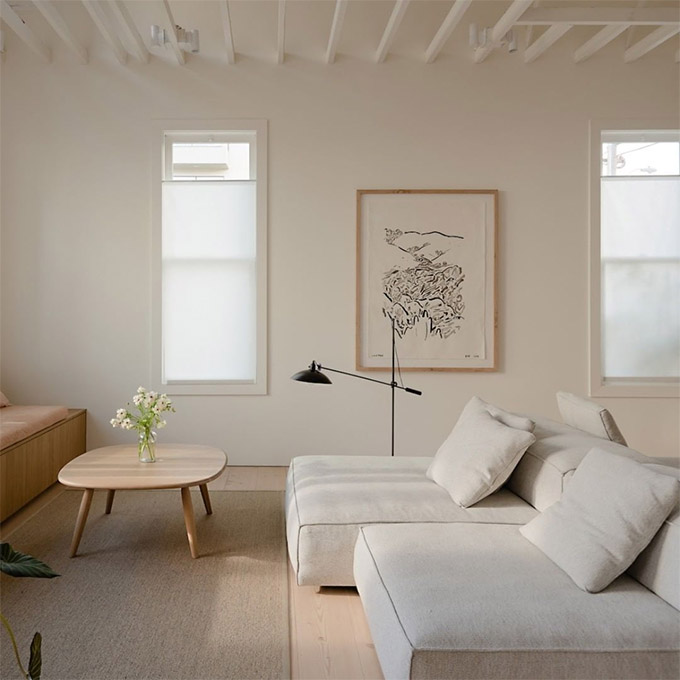
It is well known that both Scandinavians and Japanese appreciate functional objects in their homes. But a often overlooked feature of Japanese design is flexibility.
Just remember that beds in the land of the rising sun are folded and stored when not in use, that rice paper walls are moved as needed to define or section off areas of the home: some of these aspects can be reinterpreted in a Western perspective, making choices that do not lead to insurmountable future architectural constraints.