BLOG
What is Modernist Architecture – 4 examples of houses in Tuscany
The development of modernist architecture revolutionized cities and workplaces, and its design principles reflected advances in science, health, and social equality, aiming to help these ideals thrive.
What is modern architecture?
The term Modern architecture describes the architecture born within the social, artistic, and cultural movement known as Modernism, which emphasized experimentation, the rejection of predetermined “rules,” and freedom of expression: modern architecture gained momentum after World War I, ushering us into a new era of design.
Modernist architecture defines beauty in its simplicity by removing superfluous details, recognizing that less is more and emphasizing the notion of truth to materials, exposing their nature without embellishments; the houses are experimental structures between verticality and horizontality: a new man is being born.
In Italy, that period saw theadvent of Rationalism: true modernist architecture began after World War II, after fascism, during the reconstruction period.
Examples of modernist houses in Tuscany
Villa Bayon in Florence – Leonardo Savioli
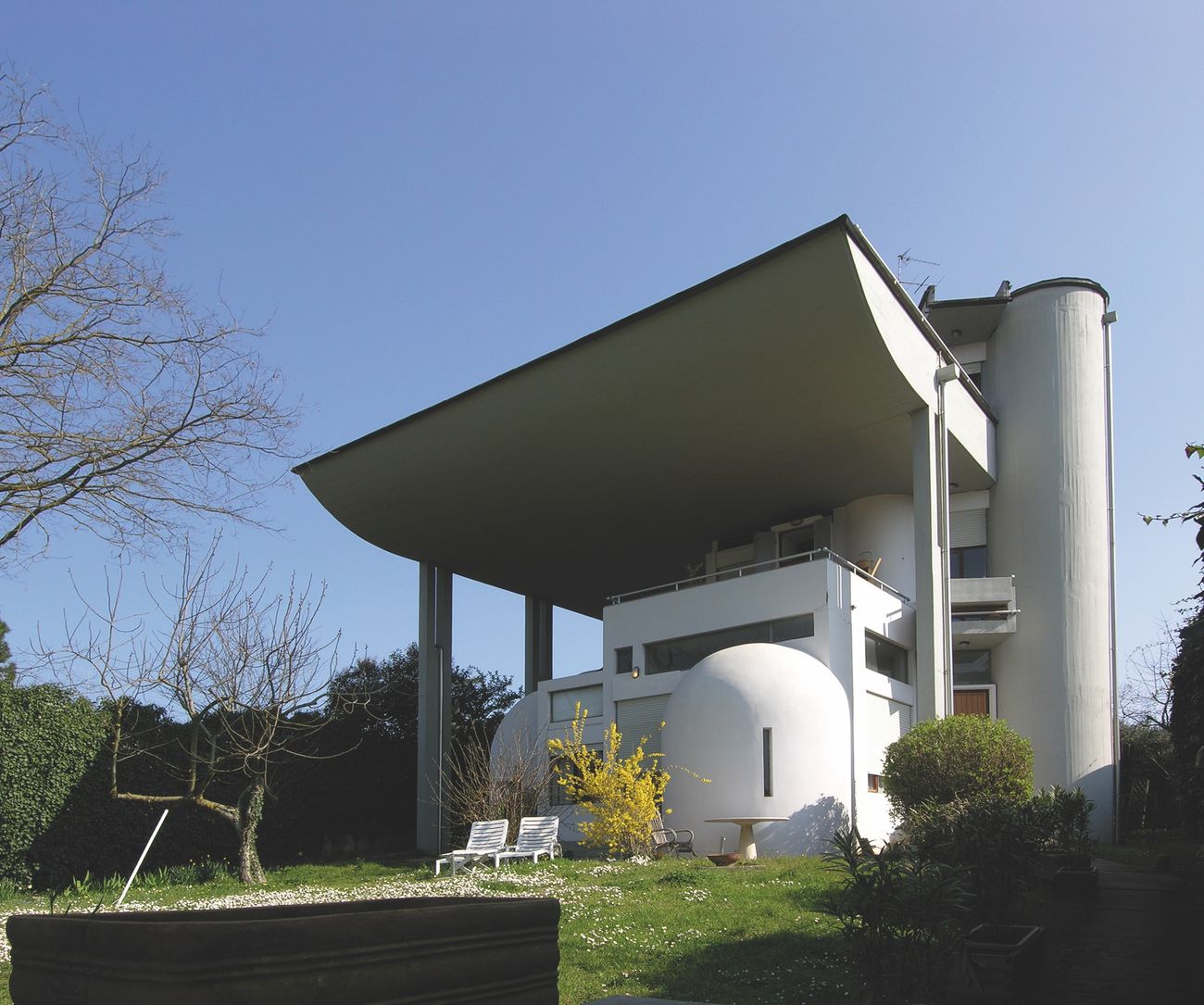
Villa Bayon is located in Florence and is surrounded by a garden with a fence of trees. Despite being situated in an area of landscape significance, the building enjoys great architectural autonomy, not engaging with the environment or Tuscan tradition. The client, in fact, chose Savioli quite randomly since he desired a house with an unmistakably Tuscan character and chose the designer not because he knew his works or his poetics but simply because he was the author of the urban plan for the San Francesco Village. However, Savioli’s choices (…) managed to prevail, so from 1966, the construction was initiated according to the designer’s wishes.
It consists of two floors, which are completely independent volumes with autonomous rooms, and the planimetric system results from the combination of different geometric matrices (such as a square, a rectangle, a circle…), all combined in a dynamic play of projections and recesses derived from the juxtaposition of forms that have been juxtaposed.
Villa Brody in Chiocchio, Greve in Chianti – Roberto Monsani
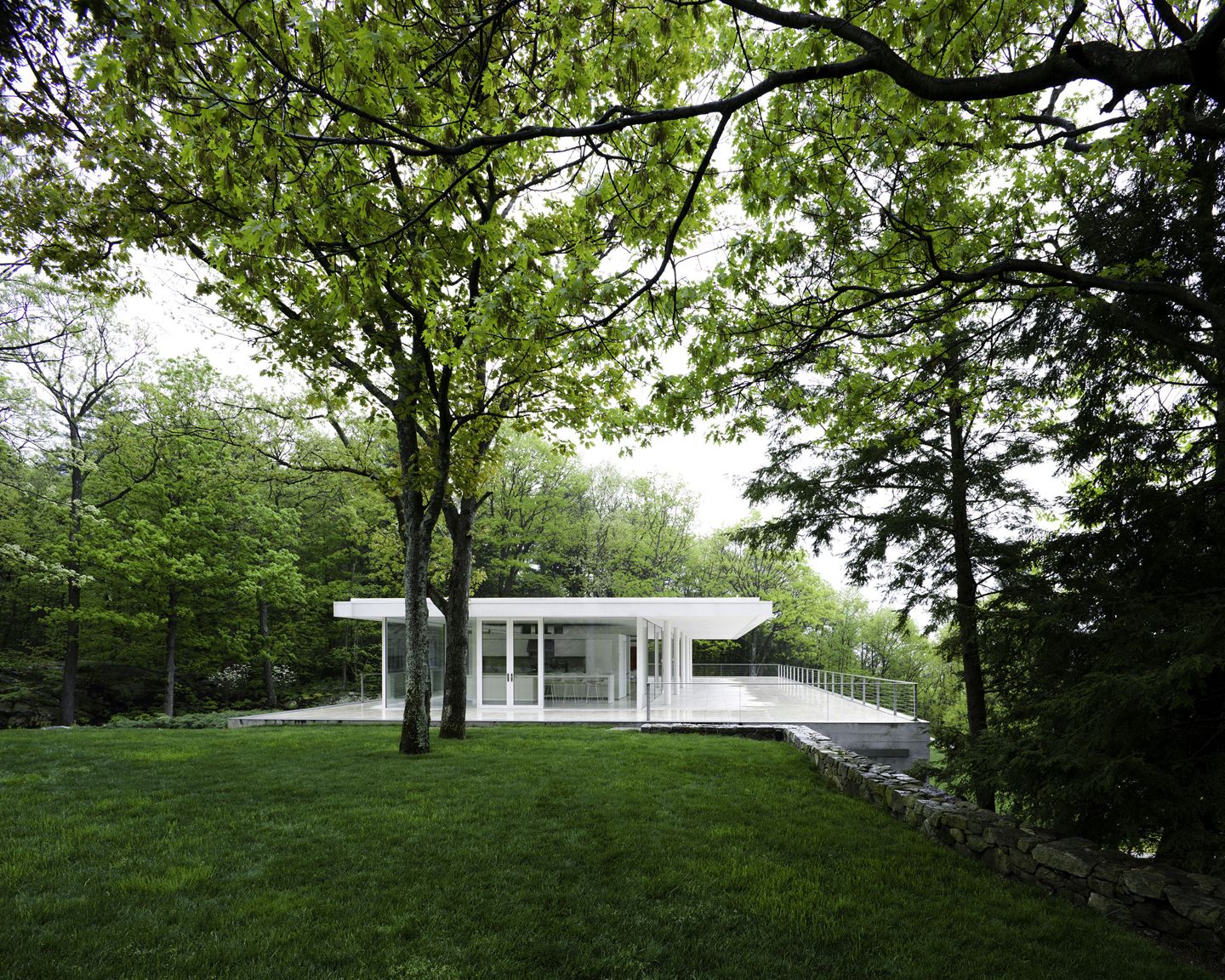
In Chianti, there is Villa Brody-Monsani commissioned by Alexander Brody, an American businessman, and his wife Petra, but later became the property of Roberto Monsani, the Florentine architect who was its creator.
After the completion of the work, the client and Monsani agreed on the transfer of ownership of the villa to the latter, who eventually became the second husband of Mrs. Petra: a story where the life of the senses mixes with the architectural one. The building is characterized by extreme geometric rigor, perfectly inserted in the lesson of the modern movement, inspired in particular, according to the words of the designer himself, by the work of Richard Meier, who visited the villa just completed.
Casa Saldarini in Baratti, Livorno – Vittorio Giorgini
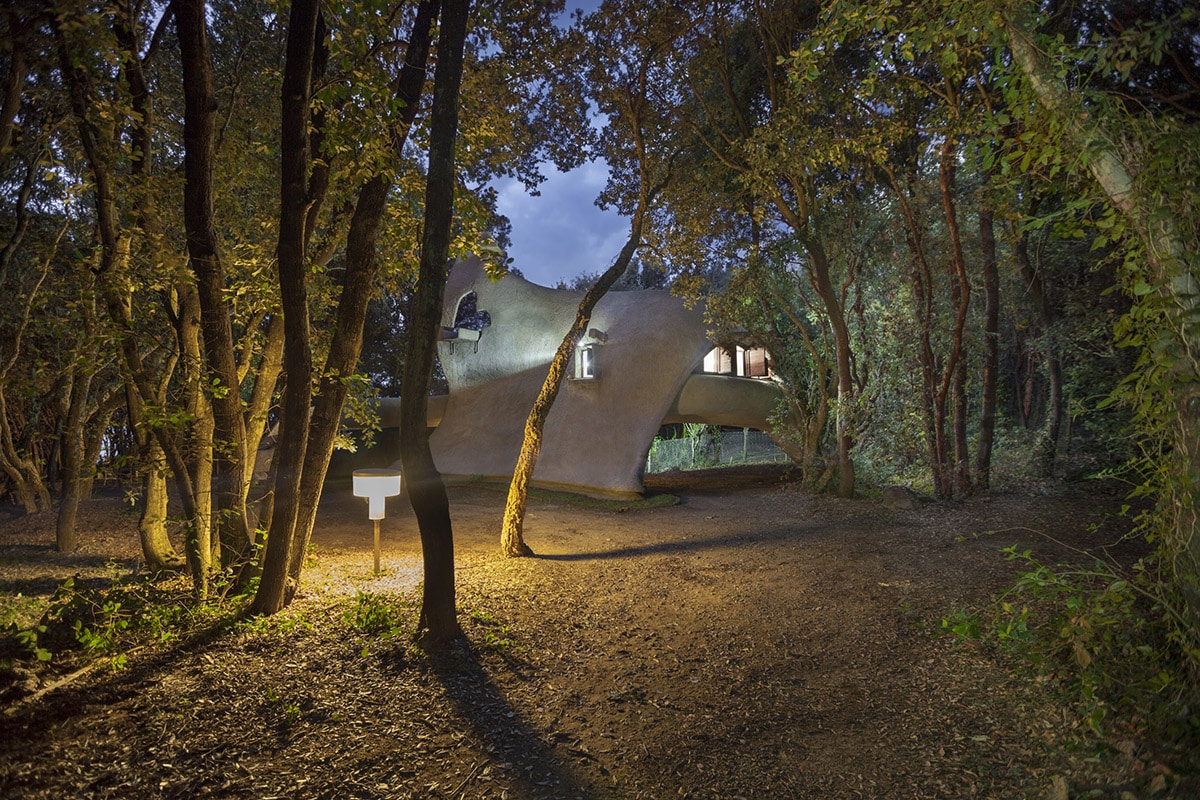
Vittorio Giorgini had Leonardo Da Vinci as his reference in the approach – we would say today holistic – that always distinguished him in his ability to address and relate things from various disciplines and cultural aspects. Casa Saldarini, known as the whale, is a construction with topological characteristics, static elasticity, and lightness never seen before in the field of construction; for the Florentine architect, geometry would become the foundation for everything concerning the structure of systems and their relative design: the study of space was for him to prefigure a new way of inhabiting the entire planet. Today we can reasonably affirm that Giorgini’s work is full of avant-garde insights.
Studio House in Florence – Leonardo Ricci
“True architecture does not consist in taking a piece of paper and designing shapes and models. True architecture consists in imagining a space and the movement of those who will inhabit it.”
Understanding the works of Leonardo Ricci is to understand this phrase deeply, where man is at the center of the architecture that welcomes him.
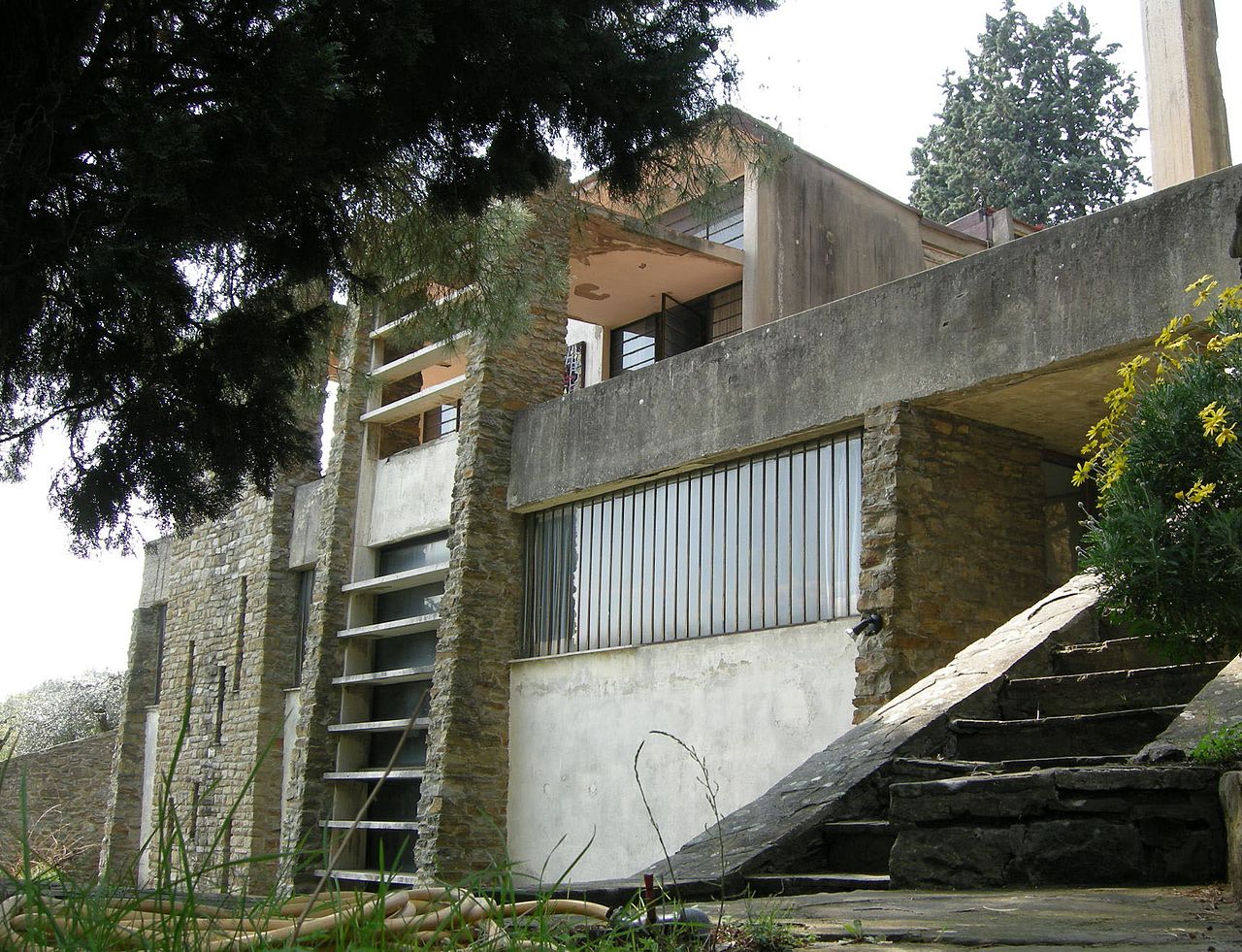
His studio house inaugurates the settlement of single-family houses in Monterinaldi up Via Bolognese in the panoramic area of Florence, near Fiesole: in the architect’s intentions, it was to form a community village, devoid of separations between properties, aimed at fostering relationships between families (…): a project remarkable in terms of content and architectural quality – which not surprisingly had, already in its making, significant international resonance.
Photo Credits: Artribune / Pinterest / Case Vacanze Podere Porta Pia