BLOG
Wabi-Sabi. The new trend for interior design
Wabi-sabi is a Japanese philosophy that celebrates the beauty of imperfection and authenticity. Applied to interior design, this aesthetic from the Land of the Rising Sun, like Japandi, promotes simple, natural, and harmonious environments capable of conveying serenity and warmth: the concept behind this trend has developed through centuries of tradition . “Wabi” evokes a simple and modest beauty, often linked to nature and rural life, while “sabi” refers to the charm of passing time, which makes objects more authentic and valuable: together, these concepts give rise to a philosophy that celebrates the beauty of imperfect, transient, and incomplete things.
In the 16th century, Master Sen no Rikyū adopted wabi-sabi in the tea ceremony, teaching to see beauty in rough ceramics, chipped vases, and minimal and harmonious spaces. Since then, this thought has become a guiding principle not only in Japanese design but also in a more mindful approach to life.
Wabi-Sabi in decor
It can be expressed through a series of key elements that define the aesthetics and atmosphere of spaces such as:
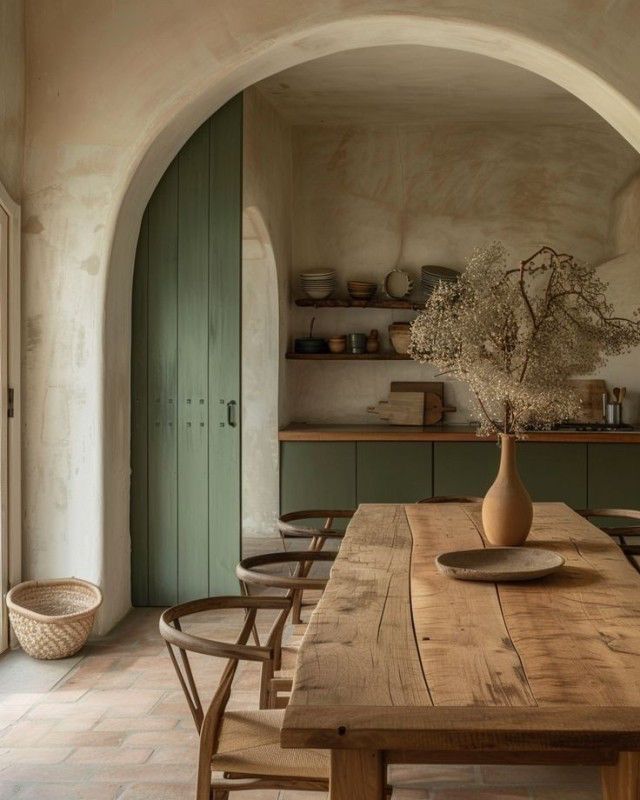
- Natural and imperfect materials: wood, stone, marble, and travertine are the protagonists of wabi-sabi decor. Rough surfaces and irregular details are valued because they tell a story; it’s not just about aesthetics, but a sensory experience that evokes nature and time.
- Harmony with nature: a wabi-sabi environment is in tune with the natural world. Homes following this philosophy often incorporate organic elements like plants, dried flowers, branches, and raw fabrics; the lighting is soft and natural, making the most of daylight to create warm and relaxing spaces.
- Essential simplicity: the decor is minimalist, but not in the cold and strict sense of the term; rather, it’s about eliminating the superfluous to make room for objects and furniture that have meaning. Each piece of furniture is chosen with care, prioritizing quality and uniqueness over quantity.
- Neutral and earthy colors: the color palette is inspired by earth tones. Beige, soft grays, browns, and natural greens dominate the spaces, creating a sense of calm and harmony, and these colors help maintain a relaxing and welcoming space where each element blends naturally with the others.
- Beauty of vintage: objects that show the passage of time are appreciated; details that are not flaws but testimonies of a life lived. For this reason, handcrafted and handmade objects are preferred over mass-produced ones, as they carry the trace of their creator.
How to integrate Wabi-Sabi at home
Integrating this trend into one’s home means adopting a mindset that values authenticity and simplicity. To start, it is important to choose natural materials and pay close attention to the selection of objects: better few, but meaningful.
A handmade ceramic bowl, a raw fabric, or a piece of furniture with signs of wear tell a story and create an environment that speaks of authenticity.
The key to adopting wabi-sabi is therefore to change perspective: learn to appreciate imperfection and the passage of time instead of seeking perfection, not details to correct, but details to love. A style that is not just a trend, but a philosophy of life that teaches to slow down, live mindfully, and find beauty in small things.
Photo credits: hello-hayley.com / Pinterest