BLOG
Use of travertine (and other marbles or stones) in swimming pools
But is travertine a suitable material for a pool?
This question, quite legitimate indeed, is often asked by those choosing the finishing materials for their new pool. The answer is definitely affirmative and can be explained in many ways; from the more empirical, based on observation, to the more technical.
Travertine is formed by layers of limestone deposits found in waters particularly rich in this mineral. It originates in water.
We always find travertine quarries in the presence of abundant water: travertine is in its natural habitat!
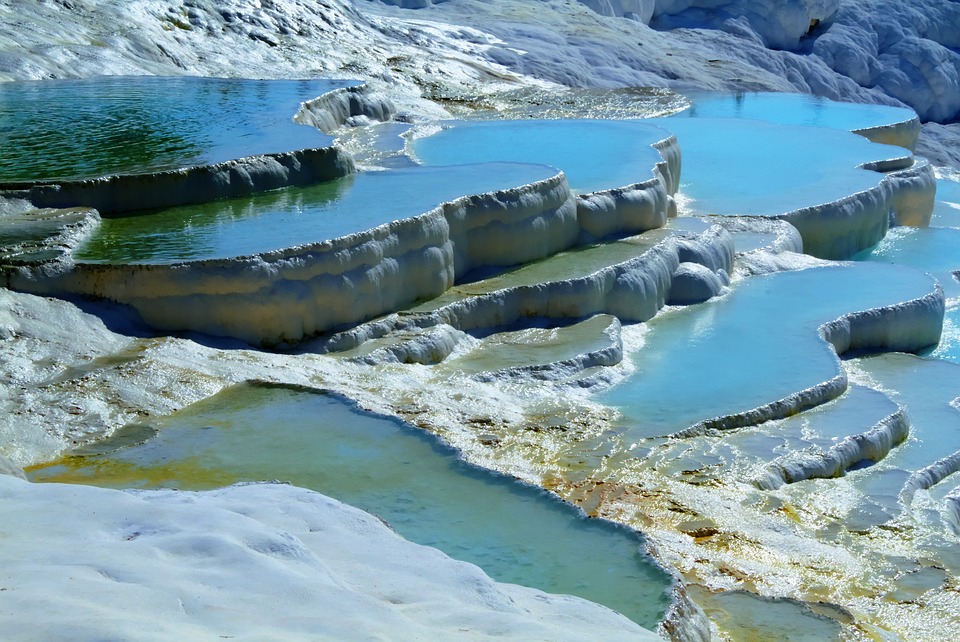
Indeed, observing the historical use of this material confirms the water/travertine connection: there are countless examples of travertine artifacts used for water containment. From simple basins and anonymous fountains to true masterpieces of art history.
The ancient Roman baths were mostly made of travertine. The pools, basins, hot and cold areas of these magnificent buildings were made of this material.
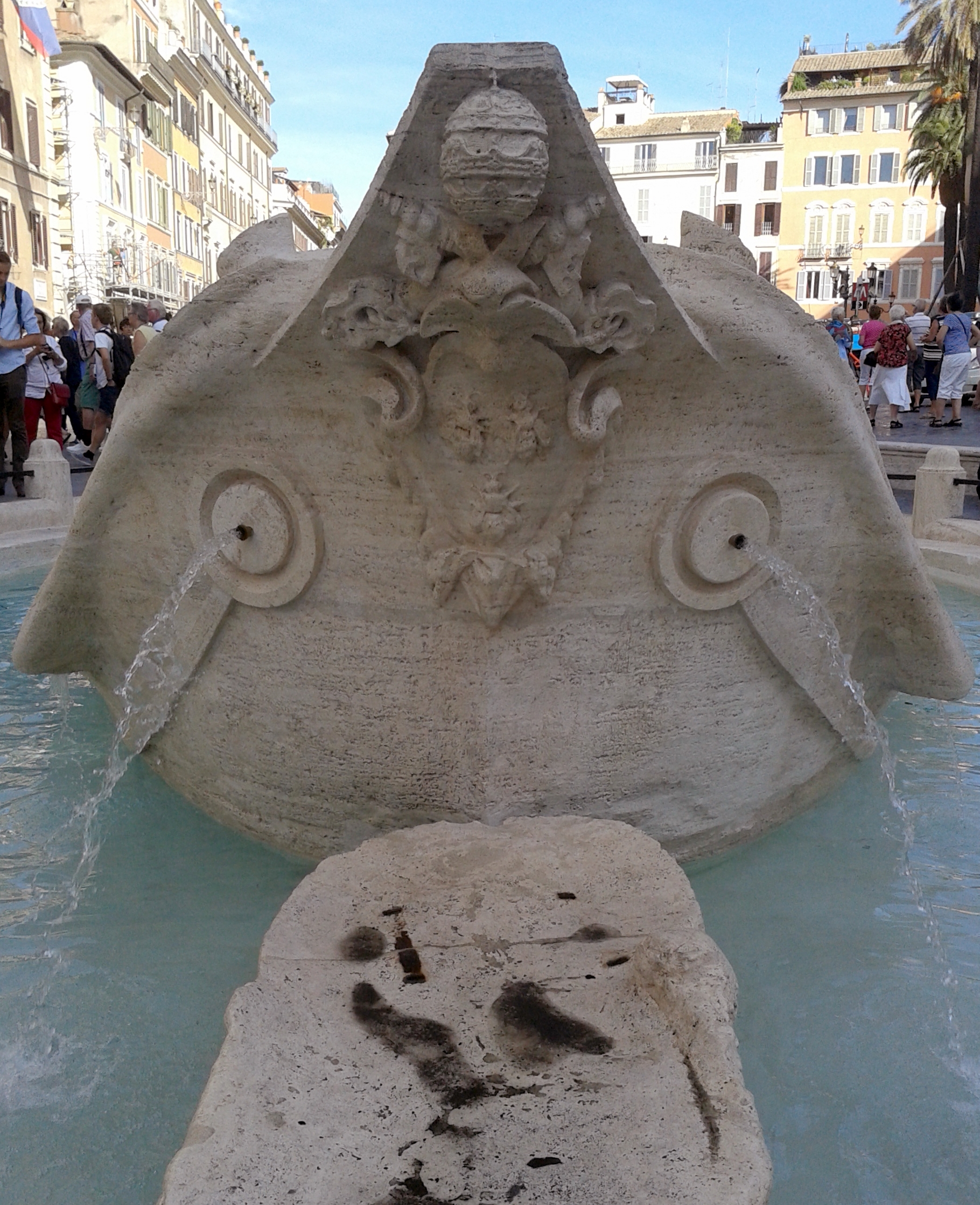
But also fountains that are part of the world’s artistic heritage.
Bernini’s Barcaccia, the Fountain of the Four Rivers, also by Bernini in Piazza Navona, the Trevi Fountain: all works that contain water, emerge from water, are lapped by it and contain it.
But also countless less prestigious works are in travertine. The Saturnia and Rapolano baths; an unspecified number of public and private pools.
All this tells us that travertine is a perfect material for pools, basins, or other elements that contain water.
Investigating the issue more technically, the considerations to make, the suggestions and precautions to adopt are still very few and most often part of good management and design of a travertine or natural stone pool.
Travertine, like many marbles and limestone stones, has acid as its only aggressive agent.
It is not the chemical products, nor the algaecides or chlorine present in the pool, that damage or deteriorate travertine.
The only thing is, indeed, the possible acidity of the water.
The pH value of the water must be monitored. A decreasing pH will make the water more acidic and therefore more aggressive: it will not only attack the stone, but also and above all degrade the water quality, triggering a deterioration process that is sometimes difficult to control with the simple addition of more chlorine or more algaecide.
For this reason, a well-designed travertine pool will have a small automatic water control device that will test the pH value daily, automatically adding a corrective for the water acidity in the pool.
This will allow the chemicals present to work optimally for the perfect health and beauty of the water, while also ensuring a long life for your finishing stones!
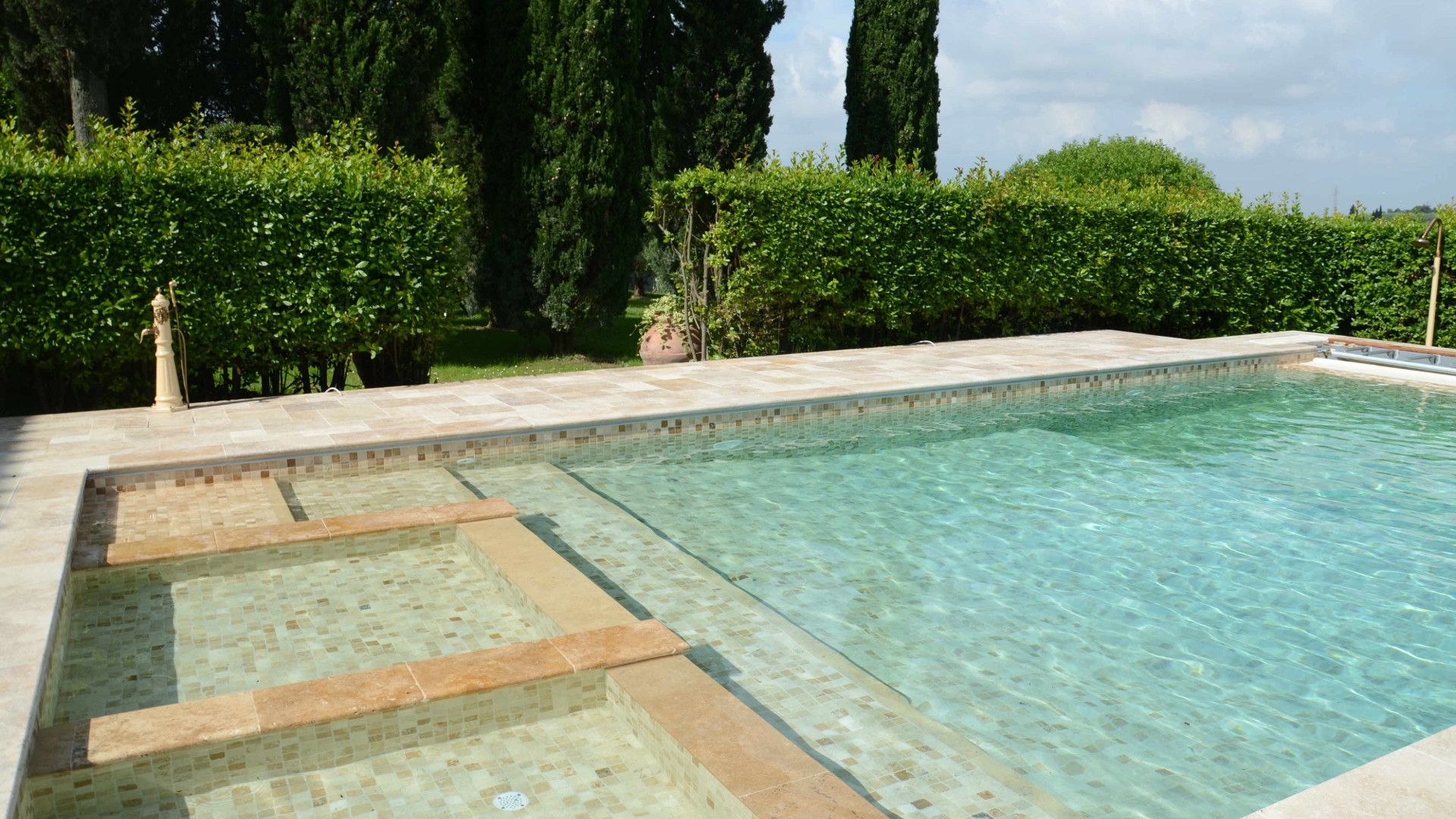
The last consideration concerns so-called “overflow” pools, where the water overflows into a collection basin, creating a continuous flow of water along a stone surface: the flow, the abrasive action of this passage, if combined with acidic water (because not well managed as suggested above) will tend to wear out the edge elements where this passage occurs.
Even in this case, proper management and pH control will protect us from any kind of problem.
Want to know more about travertine, marble, and natural stone pools? Contact us!