BLOG
Use and maintenance of stone materials – Pietra Serena, travertine, and marble
Stone materials have always been used in human constructions.
Each geographical area has its reference stone, a material that is durable, beautiful, and capable of finishing and decorating a structure; such material, shaped by human hands and ingenuity, will become a floor, a simple threshold, or an immortal work of architecture or art.
The availability and easy procurement and extraction of a certain type of stone have characterized the construction, architecture, and art history of various geographical areas.
- With travertine, Rome was built, from the grandeur of the empire to the baroque, to the architecture of fascism, and human creativity has bent it to the culture of its time.
- Pietra Serena has characterized in Florence the works of Brunelleschi, given form and expressiveness to the Renaissance, and supported the windows and doors of every Tuscan home.
- In Carrara, in the Apuan area, the local stone, Carrara white, is found in thresholds and sidewalks, but it also served Michelangelo for his masterpieces.
Each geographical area has its stone
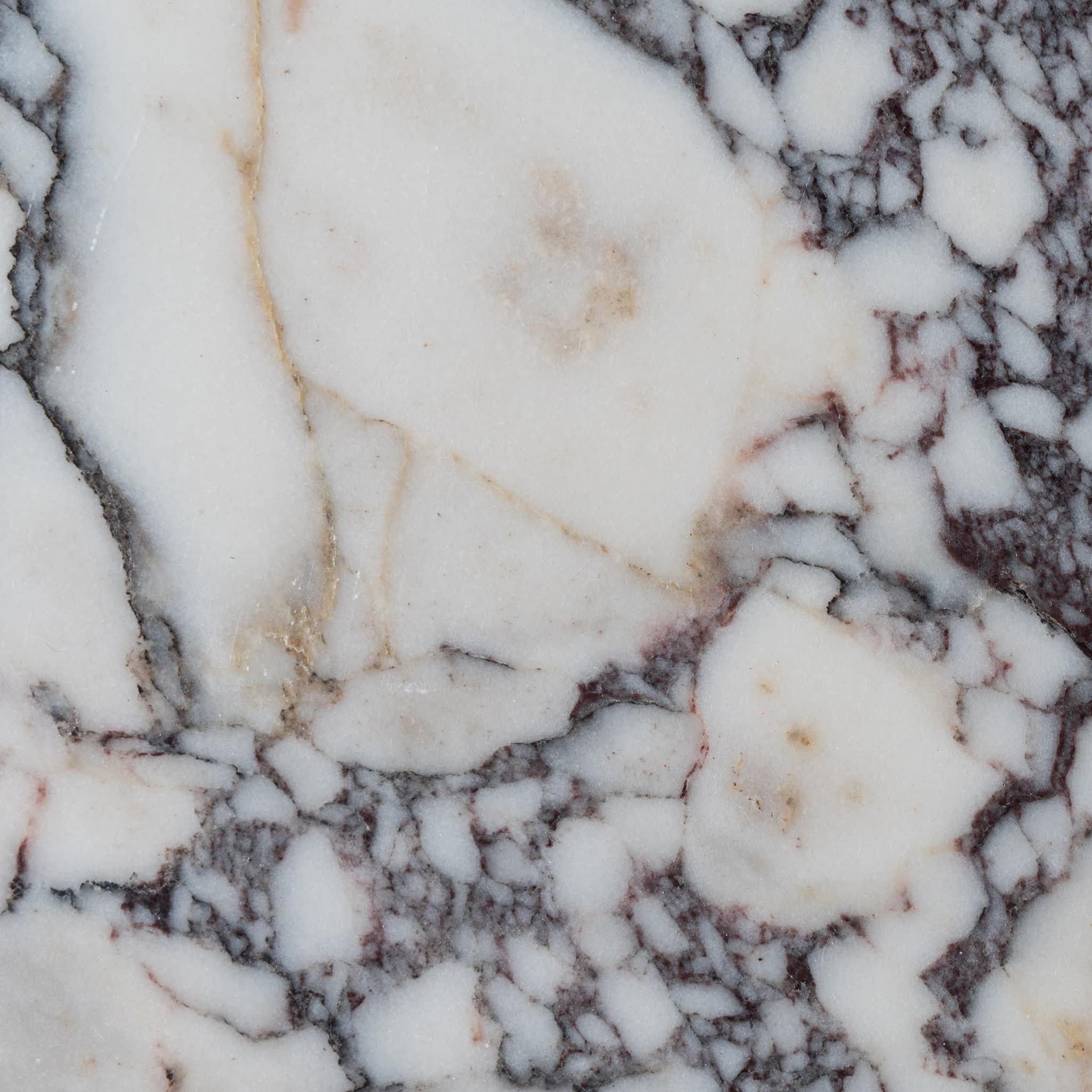
Like every natural building material, it is a living material and therefore subject to the wear of time, the passage of people, and the action of the weather.
The interaction between the material and the aforementioned agents will mark the material, which day after day, year after year, will be enriched with the signs of life and time. Therefore, there is no particular maintenance to adopt or specific precautions to use, the purpose of which would be the crystallization of the image of the newly laid stone.
This effect is achieved with the use of synthetic materials that mimic the appearance of a natural material. Certainly, the appearance remains unchanged. The poetry of the natural material, of course, does not.
The stone is alive and must grow, adapting to the time and life of the people who interact with it, and the signs of time and wear will enrich it day by day.
In any case, some care will be useful for the maintenance of the stone
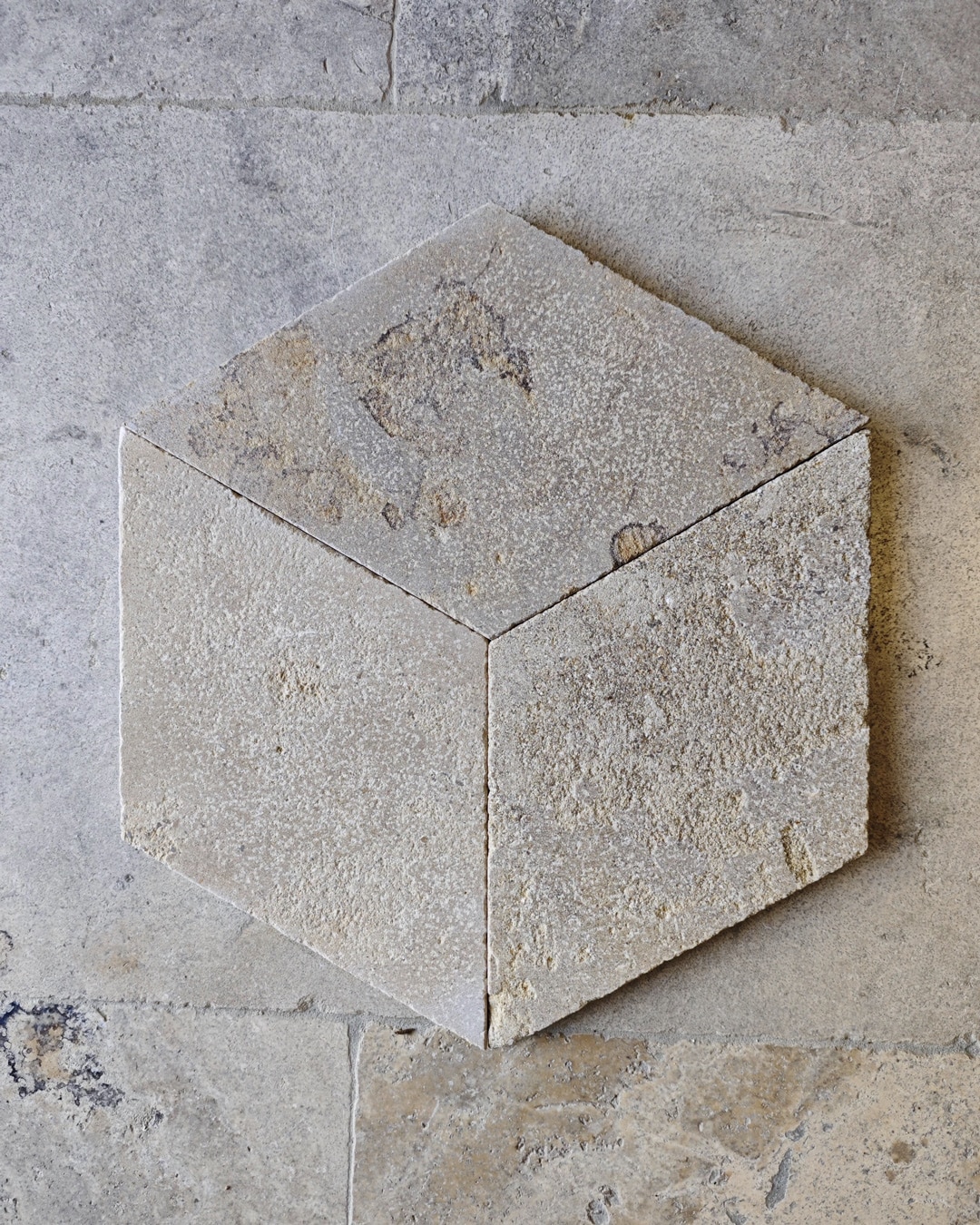
- Ordinary maintenance will be done by sweeping leaves, dust, and external deposits brought by the wind.
- Wash with water and possibly with a pressure washer, not overdoing the pressure.
- Use neutral detergents, never use acids for cleaning as acid attacks the stone, damaging and deteriorating it.
Time and use may leave marks, halos, scratches, and all this is the natural interaction between time, use, and material.
Improper actions such as intentional paint stains (graffiti) or unintentional (paint drips), evident breaks due to improper impacts, damage from acids or other excessively aggressive products for the material, should be examined by specialists, capable of proposing suitable remedies, cleaning products, and stain removal, which are sometimes available to stone restoration professionals. Even some types of breaks can be restored, re-glued, or replaced partially or entirely (entire pieces can also be replaced).
In such cases, the differences between the new and the old will be more or less evident, but time, use, and atmospheric agents will tend to make these differences disappear, allowing us, practically forever, to enjoy the beauty of natural stone.