BLOG
Tips for your coverings: natural materials or porcelain stoneware?
When creating a new bathroom or kitchen, the issue of choosing between natural or synthetic materials for floors and coverings is perhaps the first we must resolve.
Undoubtedly, natural materials, whether marble, travertine, stone, or wood, have greater appeal, but concerns about their durability, ease of maintenance, and cost are certainly points of hesitation.
We will now try to see, from all perspectives, what might be more convenient, useful, logical, and economically advantageous to use.
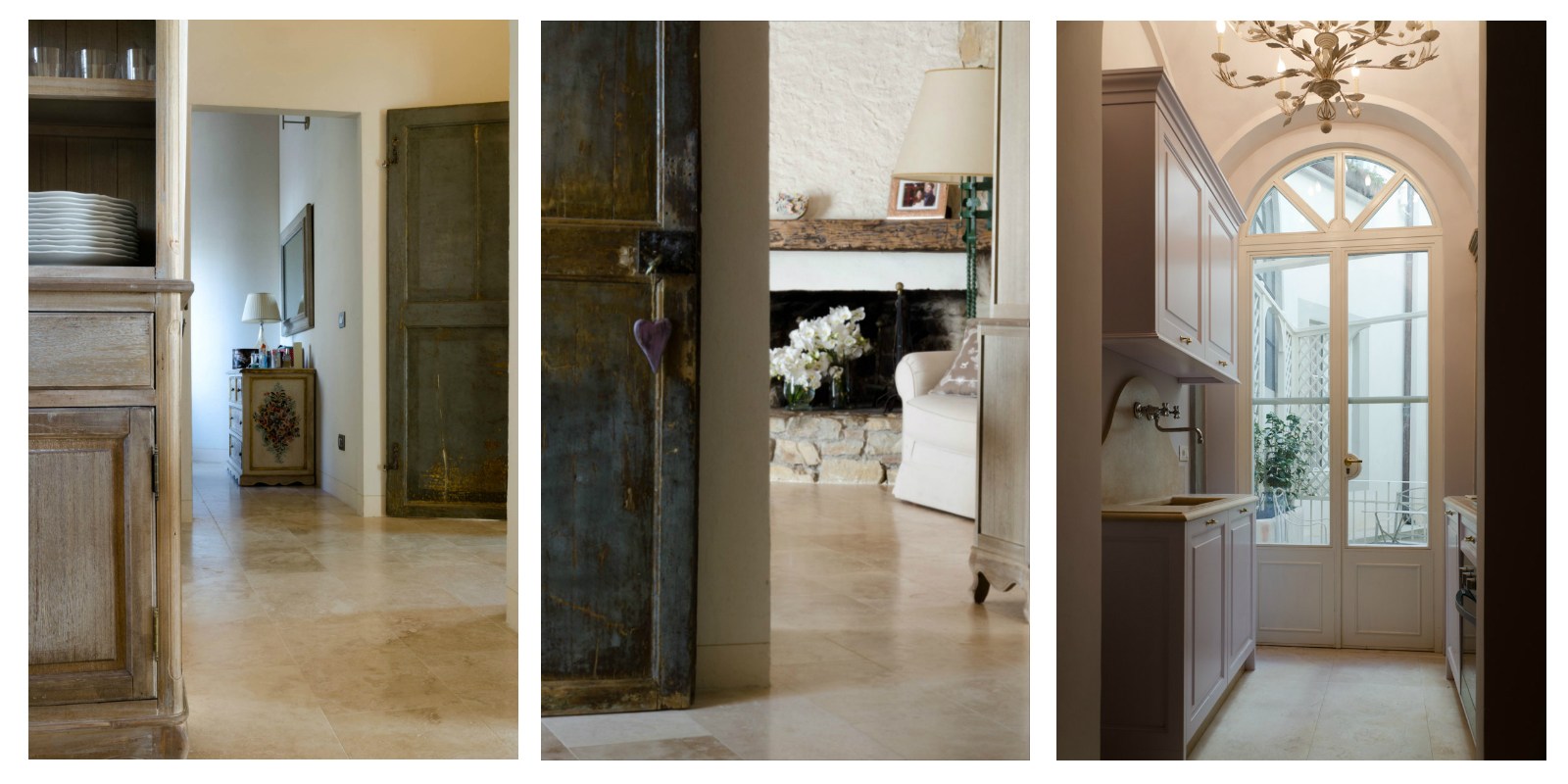
When renovating or building a house, it is known that expenses are many and significant, and we certainly never want to skimp on systems, structures, insulation.
Finishes come at the end, when all these expenses have already been incurred, and the funds allocated for the new house tend to run out. And it is precisely on the finishes that we tend to think we can save.
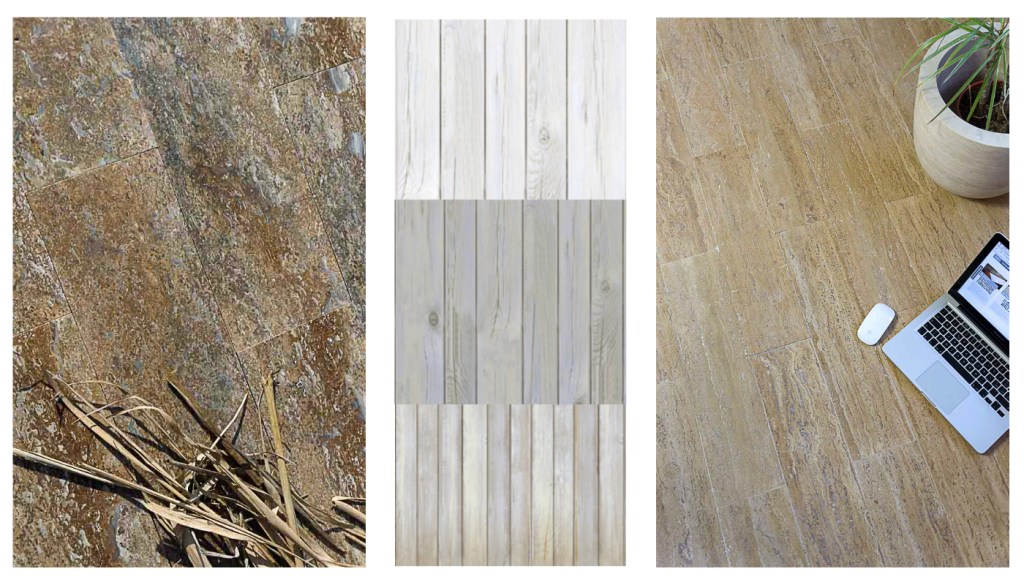
Natural materials, woods, stones, marbles, are commonly known as beautiful but very expensive materials. Therefore, people tend to fear them without even knowing them.
But beware: the finishing materials are those that give the final image to your new home. The systems and structures, which often cost us an arm and a leg, are (and must be!) excellent, but they are not visible.
However, the floors and coverings will remain in your sight for many years and will be those that accompany your life, your well-being, the growth of your children. Is it worth saving only on the aspect that will most involve your life?
Certainly, if you cannot, you cannot. But it is definitely worth investigating.
TIP NO. 1
Do not save “a priori” on finishes. They will accompany you for many years and will be the ones that make the house look “beautiful” or “ugly,” so evaluate carefully.
TIP NO. 2
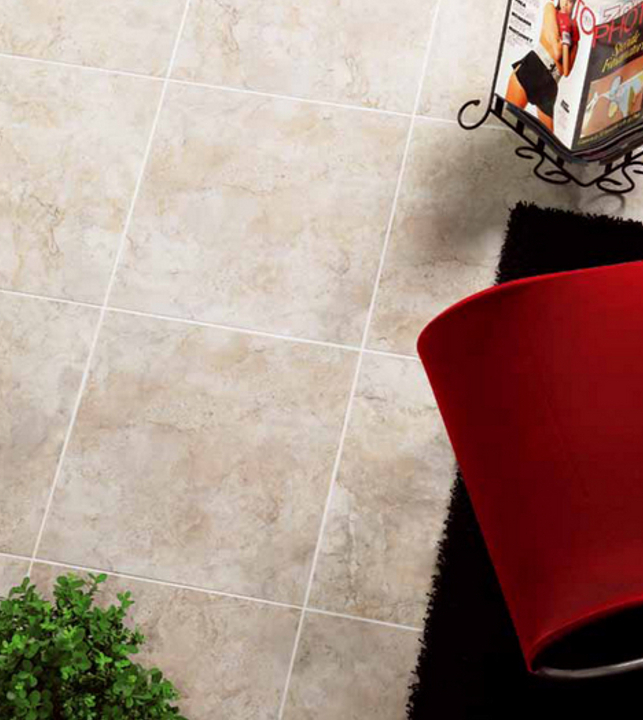
Never choose a porcelain stoneware with decorations, patterns, geometric figures, or overly bright colors.
Decorations, designs, and colors are always the result of a taste linked to a specific historical/cultural period, a temporary fashion. Floors and coverings must last a long time, so be careful not to choose decorations that will go out of style.
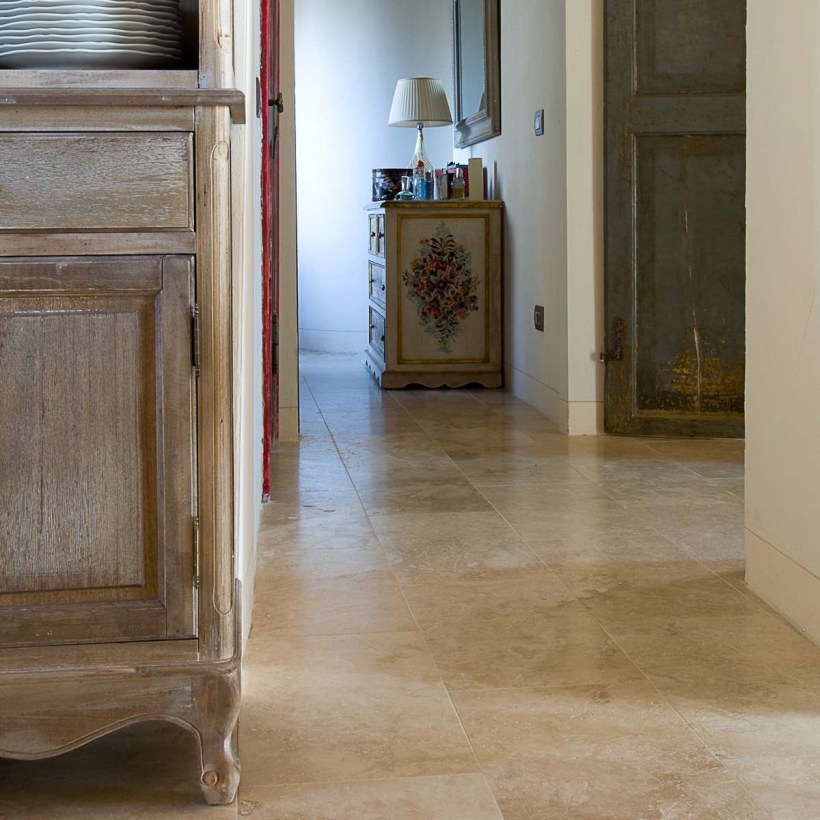
In porcelain stoneware, “copies” of woods, marbles, and travertines are made, more or less perfectly. Natural materials never go out of style, being part of a common cultural substrate, from which everyone’s tastes draw, free from historical periods or passing fashions. Therefore…
TIP NO. 3
If it must be porcelain stoneware, choose porcelain stoneware that simulates natural materials.
When making this choice, be careful to choose flooring that reproduces a “random” pattern of the chosen material type. Inferior ones will have pieces that are always the same, repeating every “n” pieces: the effect will be pleasant but somewhat fake. The best-reproduced floors offer all different pieces, as is in Nature.
Make sure to see the type of pattern repetition well to evaluate the overall effect properly.
For this reason…
TIP NO. 4
Choose porcelain stoneware that simulates natural materials, paying attention to how the material’s pattern is reproduced. There should be no repetitions or only very, very few.
There are many porcelain stonewares on the market, even of foreign production, which can also be reasonably inexpensive. Let’s keep that in mind.
But if you want to use materials of national origin, most of the time, the cost of beautiful products is not so low.
The marble, stone, and travertine industry has made significant strides in the production process of floors and coverings in recent years.
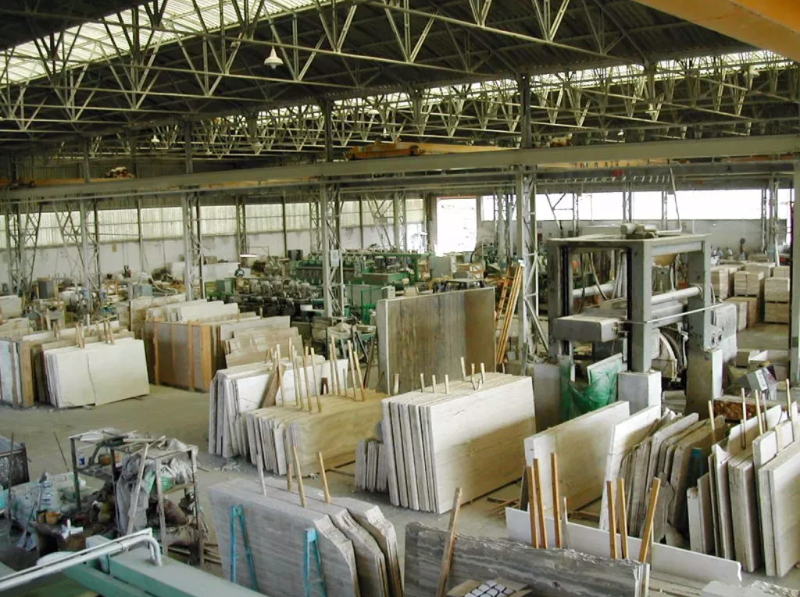
These strides have led to significant cost reductions of finished products.
As for wood, there are natural, imported products whose prices are decidedly interesting. All this leads to having prices of natural and synthetic materials sometimes very close to each other, if not even more advantageous in natural materials!
There are selections of Pietra di Rapolano, magnificent travertine characterized by a variety of tones and veins, which have prices certainly better than medium-quality porcelain stoneware.
This is not due to poor quality, but to highly specialized production techniques and the quantities produced that allow for significant economies of scale.
For all these considerations:
TIP NO. 5
Do not assume that natural materials are more expensive than synthetic ones.
Another argument against using floors in natural materials, stones, marbles, and various woods, was the difficulty of installation, which required specialized labor and higher installation costs compared to a synthetic product. In the past, this was true: wood had to be sanded on-site and then varnished. The numerous necessary phases justified demanding costs just for installation. Now almost all wood floors are “pre-finished”, meaning already varnished, calibrated in thickness, and tongue-and-groove on the edges, allowing for very simple installation, even by non-specialized labor.
For marbles, however, the production process that obtained floors and coverings from cut-to-size slabs only allowed for pieces with very uneven thickness, with differences even in the order of 3 – 4 mm between the various pieces.
This meant that installation was only possible if done by highly specialized labor, who laid the pieces on a lime bed to compensate as much as possible for the thickness differences. Moreover, once installation was completed, these differences were always evident, and on-site sanding/polishing was necessary.
In this case, the difficulties and costs of such a mounting technique were evident.
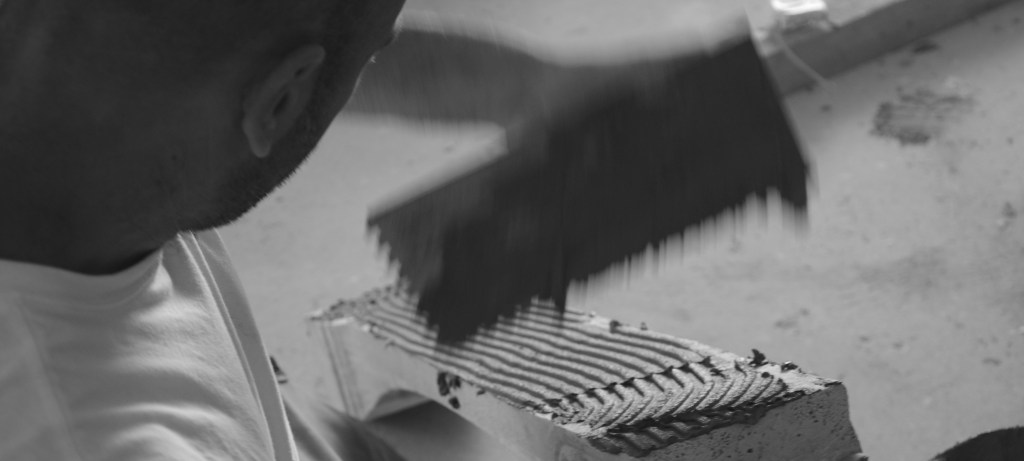
Currently, however, marble/stone/travertine tiles, produced with highly industrialized systems, are calibrated in thickness: this allows for glue installation – not lime – which any installer of average skill can perform, without justifying additional costs for installation.
Furthermore, stones are also pre-finished, and once installed, no further finishing intervention is necessary. Additionally, with a normal construction site saw, travertine is much easier to cut than porcelain stoneware, which, due to its hardness, tends to chip if the cutting equipment is not optimal. All this further reduces the final installation costs.
TIP NO. 6
Inform the companies that will provide you with installation estimates that the current characteristics of marbles/stones/travertines/woods do not justify higher costs compared to the installation of synthetic materials.
***
At the end of all this reasoning, we have understood that the costs are not so different, both in terms of material and installation, that materials with a natural image are more beautiful because they are more durable and capable of making an environment beautiful over time, as they are not subject to passing fashions.
It only remains to choose between something that “simulates” something else or the original.
Put in these terms, it would seem that the “copy” should be discarded outright, but honestly, it may not be said: well-reproduced synthetic materials can have all the aesthetic characteristics of natural materials without their defects.
Natural materials, certainly more delicate than their copies, being “alive” and more capable of reacting to external stresses, will tend to undergo a more evident transformation over time.
Personally, I believe that this transformation gives a material charm, richness, and the ability to evoke a history that has passed over it.
Seeing the worn marbles of a church, the scratched woods of a cabin, the stones of a staircase trodden by centuries of passage, all these signs are indeed noticeable. But do they make us perceive these materials as ugly because they are old and to be discarded or simply “lived,” eternal, warm, welcoming?
This is the final choice. And it is up to each of us and our own sensitivity.