BLOG
These are the 5 most iconic design seats of all time.
It is easy to forget that the chair you are sitting on is part of a constantly evolving design process that dates back to the very beginning of human existence. Ever since the first man needed a place to sit, seats have been a necessary part of life.
In this sense, the movement known as Modernism had a huge social impact on contemporary life, similar to the effect that printing had on literature. Before modernism, bulky, heavy, and expensive wooden furniture was the norm; mass production was not possible, and the value of a piece was measured solely by the time an artisan spent making it.
With the advent of modernism, techniques for creating extraordinarily simple, stackable, and comfortable furniture became accessible everywhere. From this point on, the focus shifted towards the creation of furniture with clean lines, lightweight and functional, with an intelligent use of materials.
The following 5 pieces are those we believe anyone with a vague interest in design should know.
Model: Wassily Chair, B3 – Designer: Marcel Breuer – Year: 1925
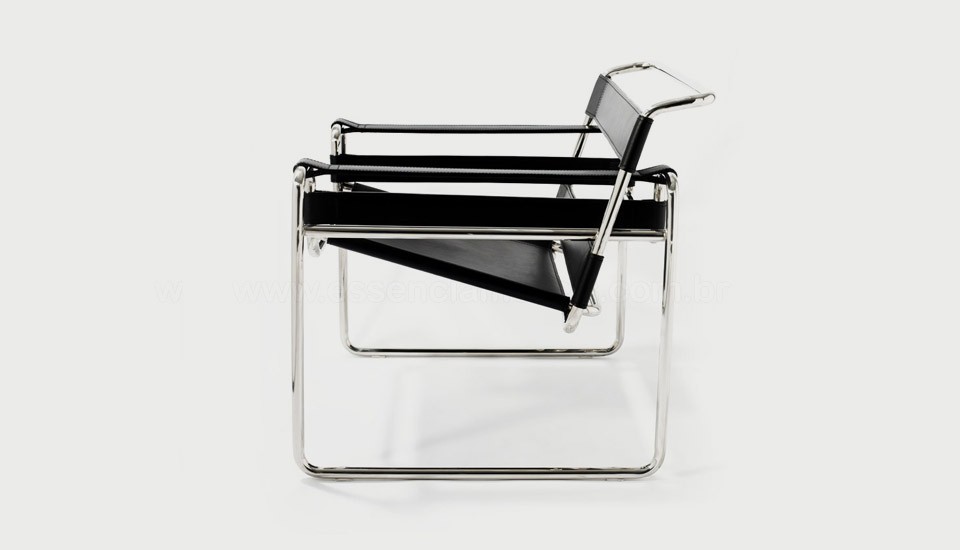
The B3 is commonly known as Wassily, after designer Marcel Breuer re-edited the original for the famous artist Wassily Kandinsky. In short, the story: Breuer was the director of the drawing workshop at the Bauhaus and often cycled there. He realized on one of his rides that if tubular steel could be bent and used for bicycle handlebars, it could also be used to create furniture: the result was a frame resembling the ghost of an upholstered chair – just the skeleton, without all the padding, yet just as comfortable.
His revolutionary use of tubular steel would forever change the face of furniture design.
Model: LC2 Grand Confort – Designer: Le Corbusier – Year: 1928
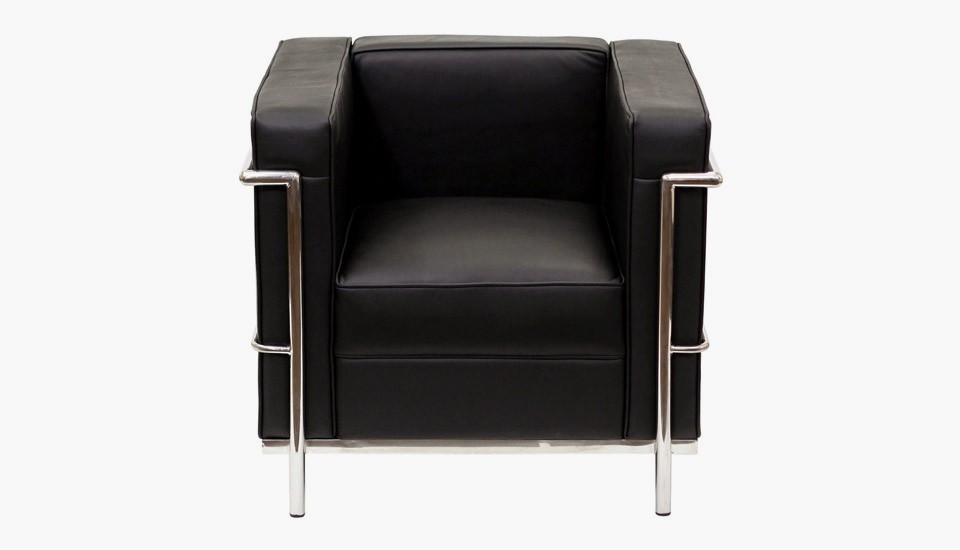
Once Le Corbusier said: “Chairs are architecture, sofas are bourgeois.” The LC2 Grand Confort, Petit Modèle, designed in 1928, is held together by an external tubular steel “corset” and filled with a goose feather cushion, all resting on an “L” shaped steel frame. Le Corbusier himself described it as a “basket of cushions.”
Model: Stool 60 – Designer: Alvar Aalto – Year: 1933
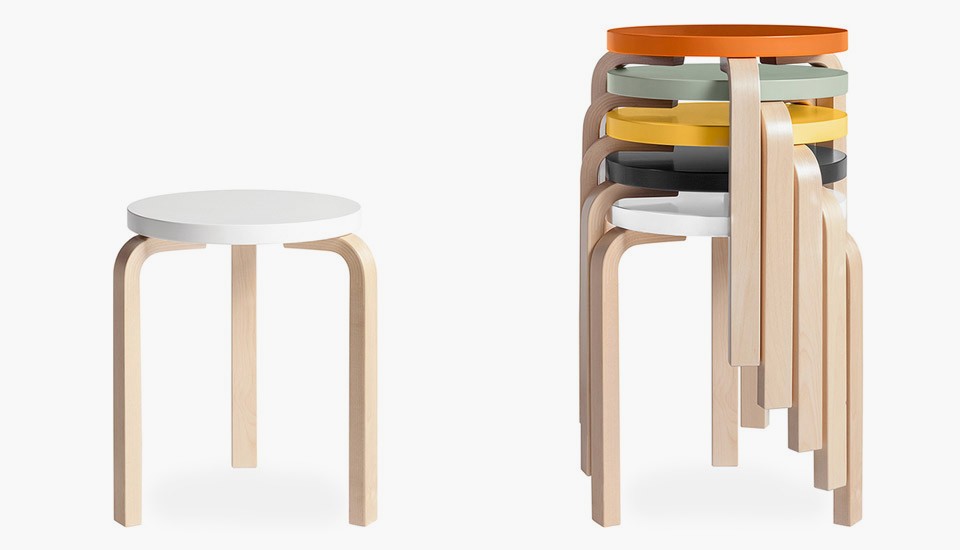
The Alvar Aalto stool looks rather simple – and indeed it is, made of just three legs and a round seat that connects them all together.
But this statement belies the enormous thought behind it. Fun fact; Aalto once said: “The chair leg is the younger sister of the architectural column.”
Model: Egg Chair – Designer: Arne Jacobsen – Year: 1958
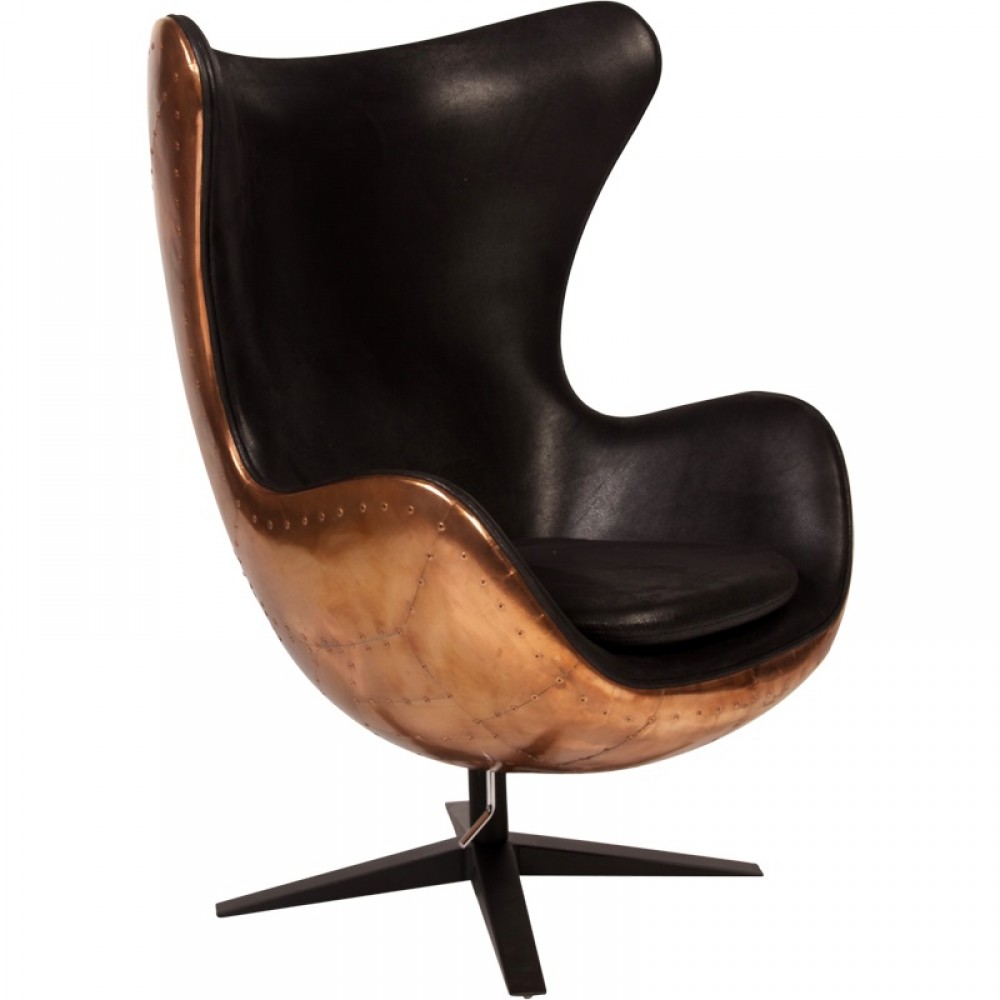
The Egg Chair, one of Arne Jacobsen’s masterpieces, is a design seat shaped like an egg: its name already declares its intentions.
The Danish designer indeed merges all the distinct parts, namely seat, backrest, and armrests, into an embrace: the result is a protective cocoon, much like inside an eggshell.
Model: Panton Chair – Designer: Verner Panton – Year: 1960
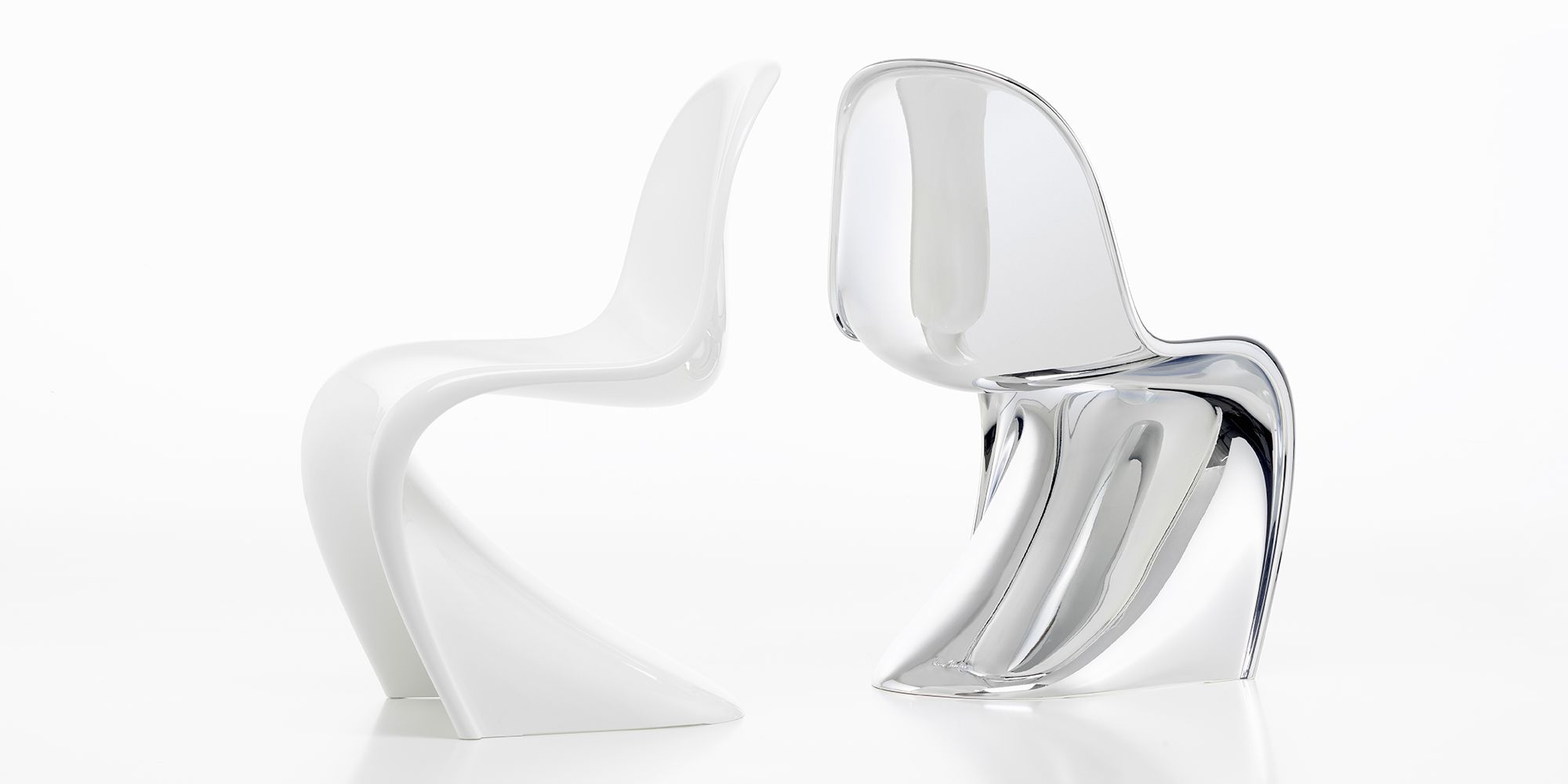
The world’s first plastic chair, the Panton Chair by Vitra was conceived by Verner Panton in 1960: over time it has received numerous accolades and is featured in the collections of many important museums. How to define it? A sculptural, yet voluptuous chair: just one is enough to furnish a room.
Finally, these chairs, armchairs, and stools represent the union of form and functionality, but also between design, practicality, and imagination: are you interested in other design objects that might be more accessible? Take a look here.