BLOG
The Rediscovered Charm of Dark Wood: A Return to Depth and Substance
In the ever-evolving world of interior design, the return of dark wood represents a response to the need for authenticity and warmth; after years dominated by neutral palettes and light woods, dark, rich, and deep materials are making a comeback, rewriting the codes of contemporary design with a gaze rooted in the past.
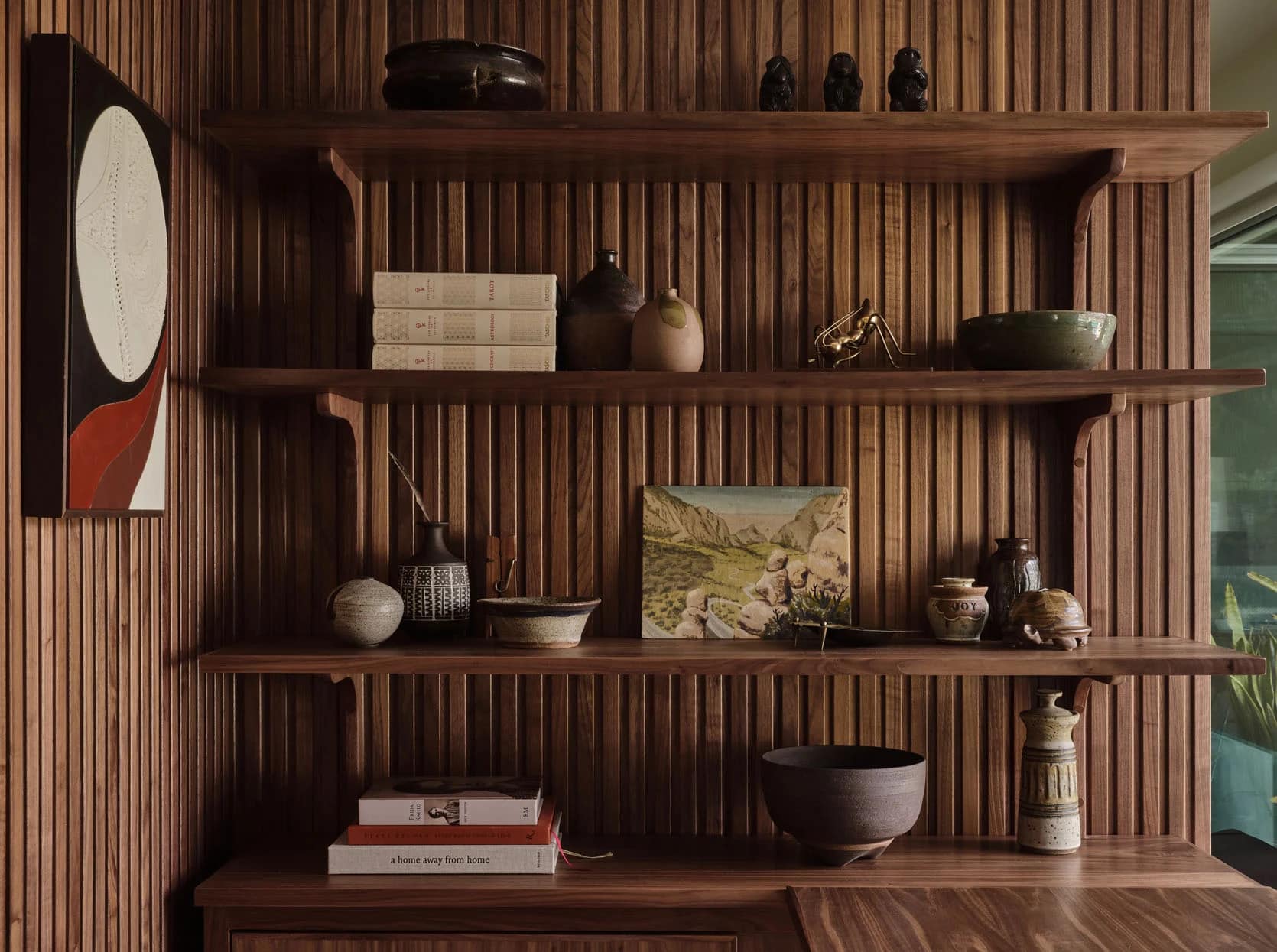
Dark wood — from walnut to mahogany, to ebony and stained oak — carries with it an aesthetic language rich in elegance, depth, and memory: it is a choice that combines material strength and refinement, offering a bold alternative to the lightness of Scandinavian design.
An Elegance That Warms
Dark wood for home furnishings has the unique ability to bring warmth and visual structure to spaces. Unlike many light and smooth surfaces, its grain, veins, and earthy tones create an enveloping and sophisticated feel. Its return coincides with a broader reassessment of natural, lived-in, and above all, sustainable materials.
The growing need for spaces that convey a sense of intimacy and grounding is driving more and more designers and homeowners to choose furniture or coverings in dark woods, capable of defining space with character without losing harmony.
Why Choose Dark Wood Today
-
Warmth and Visual Comfort: these woods make any environment more welcoming and lived-in.
-
Aesthetic Versatility: they adapt to both classic and contemporary styles, harmonizing well with neutral palettes or bright colors.
-
Materiality and Texture: they bring with them a history that is visually evident from their surface.
-
Longevity: dark woods like walnut or mahogany are often more durable, ideal for furniture meant to last.
Trends and furnishing solutions
Dark wood is not just for antique furniture. In fact, it is experiencing a new youth thanks to bolder combinations: walnut tables paired with plastic chairs, mahogany sideboards next to lime or plaster wall coverings, ebony bookcases in minimalist spaces with stone or resin floors.
For those who want to introduce dark wood without overhauling existing decor, a few accents are enough: a coffee table, a console, a significant frame; but even a dark-stained oak parquet or Versailles-style parquet, perhaps reclaimed from old buildings, can completely transform a living room, bedroom, or study, giving them an elegance from another era.
Wood and Material: Possible Dialogues
The success of dark wood also lies in its extraordinary ability to dialogue with other materials. In particular, with stone surfaces: think of the combination with a travertine sink, a wall clad in pietra serena, or a kitchen with a marble countertop; the contrast between glossy and matte, warm and cold, smooth and irregular, creates spaces full of visual tension and tactile appeal.
Meanwhile, in a living room, walnut furniture accompanied by thick rugs and brushed brass lamps create a warm urban intimacy.
This revival of dark wood is not nostalgia, but a conscious choice, against the trend of visual “flattening” given by decades of monochromes and neutral materials, and it is a response to the need for expressiveness and tangible quality. Interiors, now more than ever, must endure, captivate, withstand time and trends, and dark wood has all the credentials to do so.
Inserted with balance, it can radically change the perception of a space; it does not weigh down — if well-lit and balanced — but adds depth.
Photo credits: stylebyemilyhenderson / godownsize