BLOG
The Pietra Serena quarries of Montececeri in Fiesole
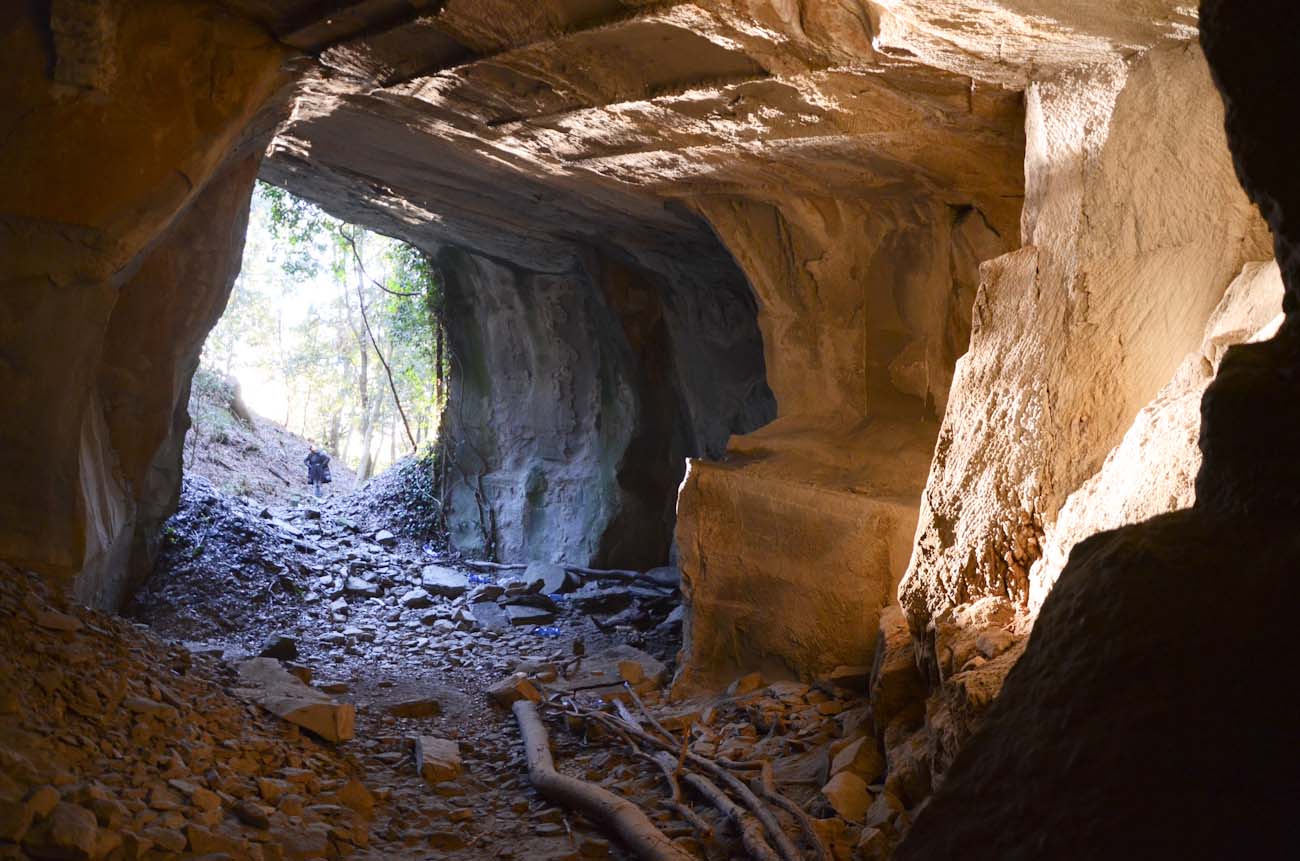
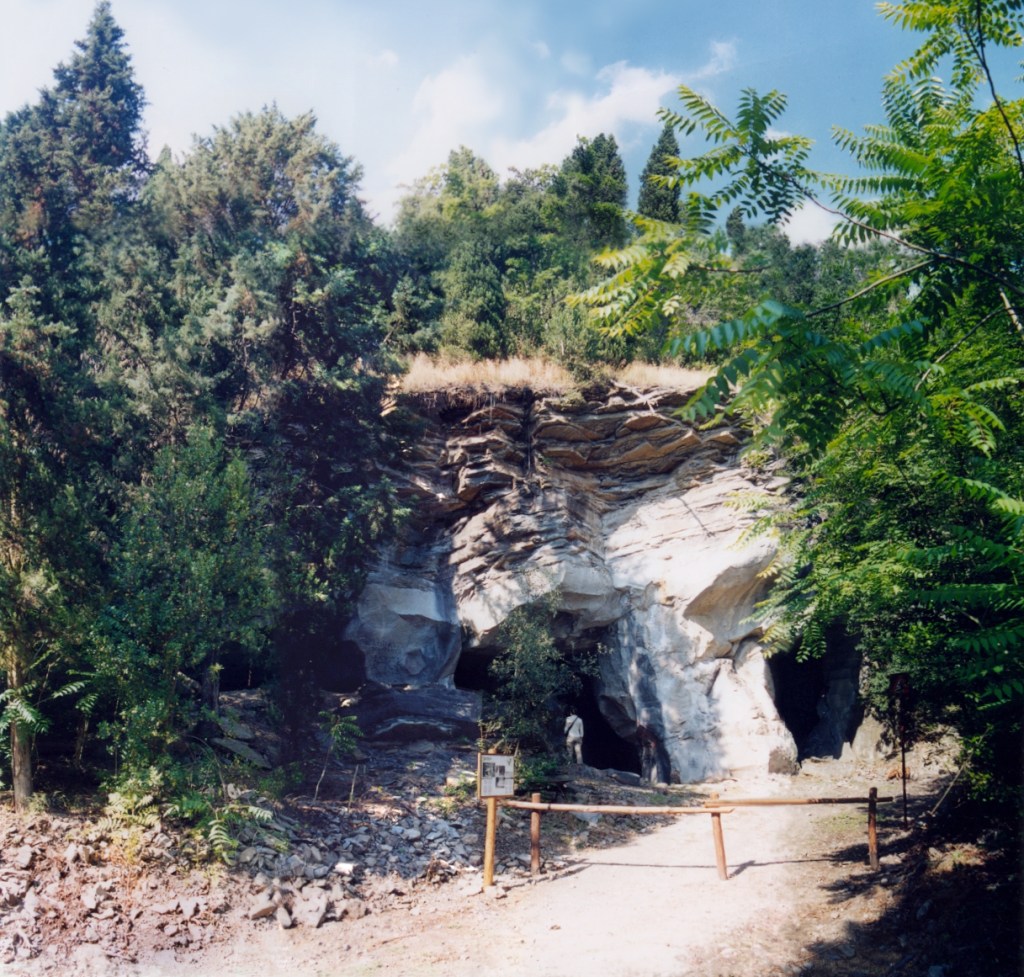
On the southern slope of the Fiesole hill, in the province of Florence, lie the Pietra Serena quarries of Monteceri, no longer in use today, but active until the 1960s.
Since 2001, the municipality of Fiesole has established a Natural Park in this area of approximately 44 hectares, protected and equipped, to preserve a very beautiful environment, rich in history.
The earliest records describe this mountain, with its cliffs overlooking Florence, as the place chosen by Leonardo da Vinci for his flight experiments.
Indeed, from here he made his assistant Tommaso Masini, known as Zoroastro da Peretola, fly attached to his flying machine in 1506.
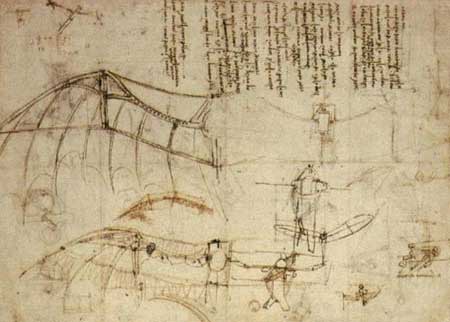
The machine would have glided down to Camerata, a thousand meters below, and its “pilot” would have emerged unscathed from the flight, being described as healthy and active in a text a few months later in the city of Modena.
The site is also famous for its Pietra Serena quarries, from which material for construction has been extracted since the time of Etruscan Fiesole.
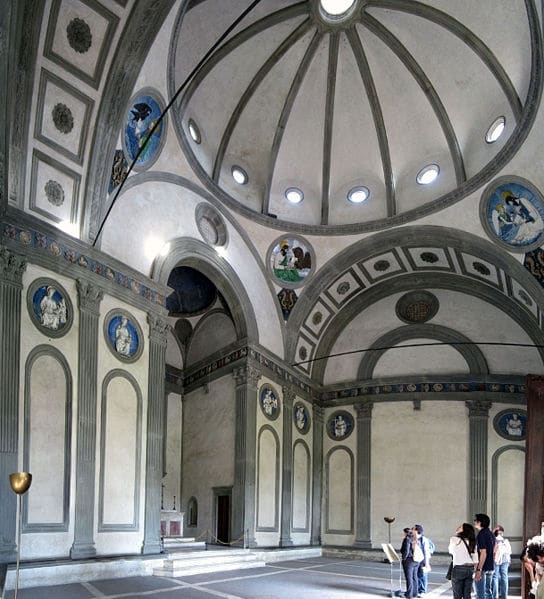
The Pietra Serena extracted from these quarries (and others around Florence) was used to build the city of the Lily and to construct the splendid Churches of Brunelleschi where white plaster and Pietra Serena characterized Renaissance architecture.
Intense extraction pressure was placed on these quarries even at the end of the 19th century, during the construction of the buildings of Florence Capital of Italy.
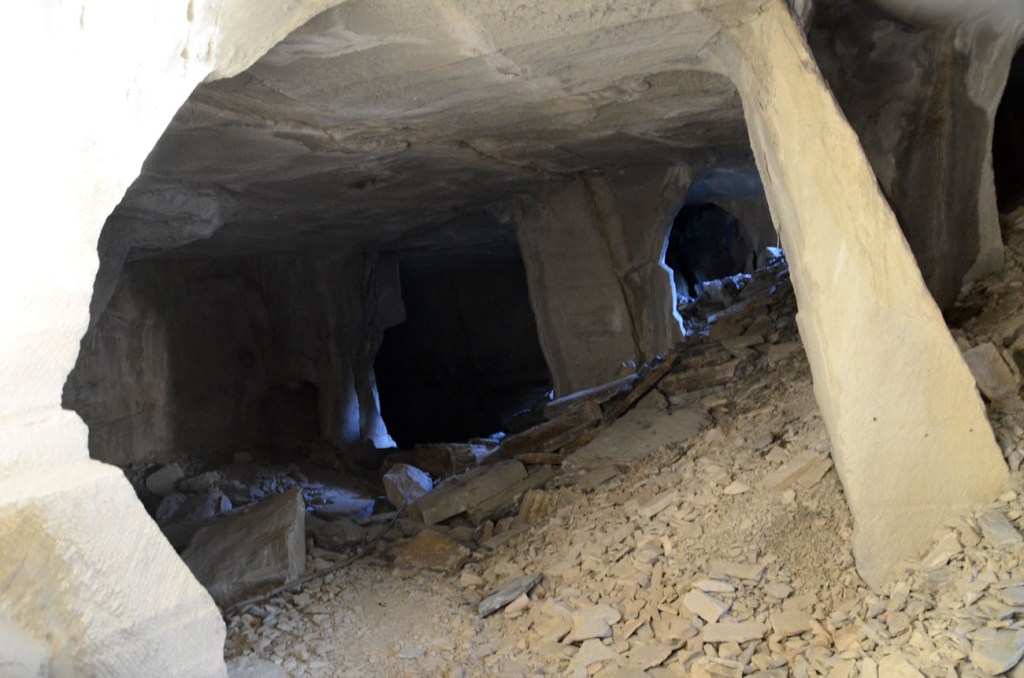
Due to the geological formation of these deposits, which have the most substantial parts in depth, it was necessary to dig real tunnels in the deepest parts of the mountain.
To support the vault, real pillars were left during the excavation.
The technical characteristics of Pietra Serena vary depending on the extraction point and the specific characteristics of each quarry. Below is a classification of the various types of Pietra Serena.
TYPES OF “PIETRA SERENA”
The Macigno quarries, both in Fiesole and Carmignano, were specifically cultivated for Pietra Serena, in its various types suitable for diversified uses according to their specific characteristics; likewise, other stones interspersed with the more noble Pietra Serena were quarried as lower quality products.
Very hard Pietra Serena: with clastic grains of various sizes, sometimes exceeding a millimeter, and cement
made of clear calcite; this type is notably hard to work with; it has a low porosity coefficient, and under external atmospheric agents, although it takes on a dark patina, it maintains its original solidity, as demonstrated for centuries by the walls of ancient Etruscan Fiesole.
Ordinary Pietra Serena: the clastic part is finer, but still not uniform in size; the cement, more abundant in quantity, being predominantly clayey with little limestone, makes this stone frost-sensitive and not very durable outdoors.
Gentle Pietra Serena: has smaller and more uniform clastic elements, and a weakly calcareous clayey cement, suitable for ornamental sculptures, takes a good polish and is quite resistant, especially indoors.
Pietra Serena of the Ditch or Columns: is a particular variety of “Gentle Serena” with a calcareous-clayey cement, few levels of which are present at Monte Céceri; it was particularly sought after for its solidity combined with fine and uniform grain, presents high polishability and superior mechanical characteristics that made it excellent for supporting columns (see its use by Brunelleschi in the churches of Santo Spirito and San Lorenzo and by Michelangelo for the Laurentian Library).
Pietra Bigia: superficial portions of Macigno sandstone, close to the slope, on which exogenous agents (rain, percolating water, thermal variations) have produced some alteration that has rendered the stone a warm gray color; it is compact and resistant to external agents, has good workability; as extraction activity went deeper and new quarries opened that consumed this “alteration band,” Pietra Bigia became rarer and sought after. One of the last major uses of Pietra Bigia was the Lorena arch in Piazza della Libertà.