BLOG
Public spaces. Use of travertine in art history
One of the questions we are frequently asked concerns the durability of travertine over time, against wear, and frost.
We believe the following images are the best possible answer to this question!
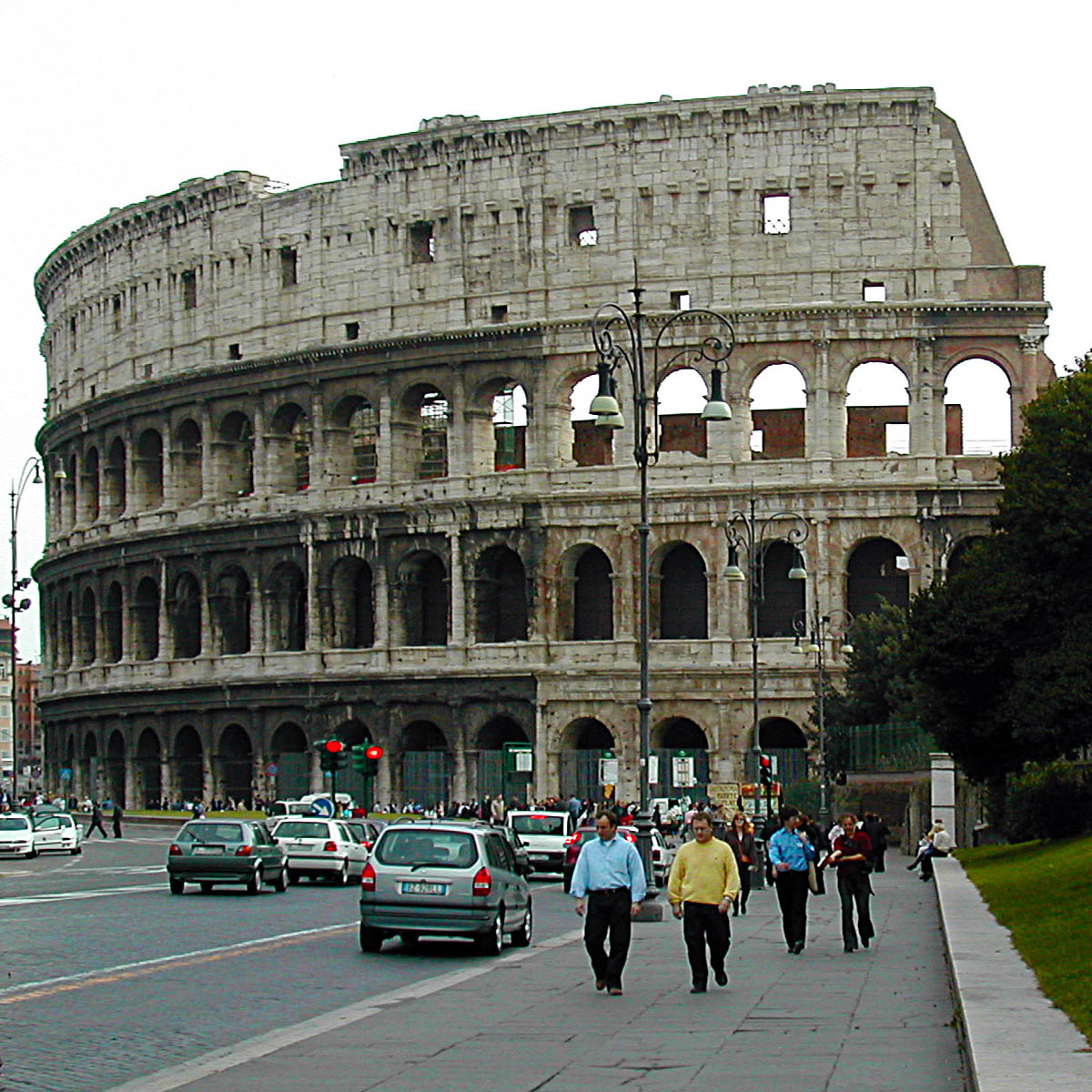

The two photos show two of the most universally known buildings in the world: The Colosseum and Bernini’s Colonnade in St. Peter’s Square in Rome. Both are made of travertine, one standing for about 2000 years, the other much younger, having been exposed to the elements and frost for “only” 350 years!
These images obviously speak volumes about the durability of travertine over time, but they rather tell us about the intrinsic value of this splendid material, its formal versatility, its ability to adapt to various eras, and to yield to the genius of artists from every historical period.

The examples of buildings and historical spaces built in travertine are countless and impossible to list, given the vastness of types, shapes, and sizes. However, it is worth remembering that in cities like Rome and Siena, wherever there is a stone artifact, it is made of travertine.
All of Imperial Rome is made of travertine, but also the artists of the Renaissance, the Baroque period, and up to the contemporary age used this material to shape their genius: Michelangelo, when building Piazza del Campidoglio, created color contrasts between the yellow of terracotta and the white of travertine.

We have seen Bernini at St. Peter’s and many other artists from every era could be cited as users of this stone for their buildings.
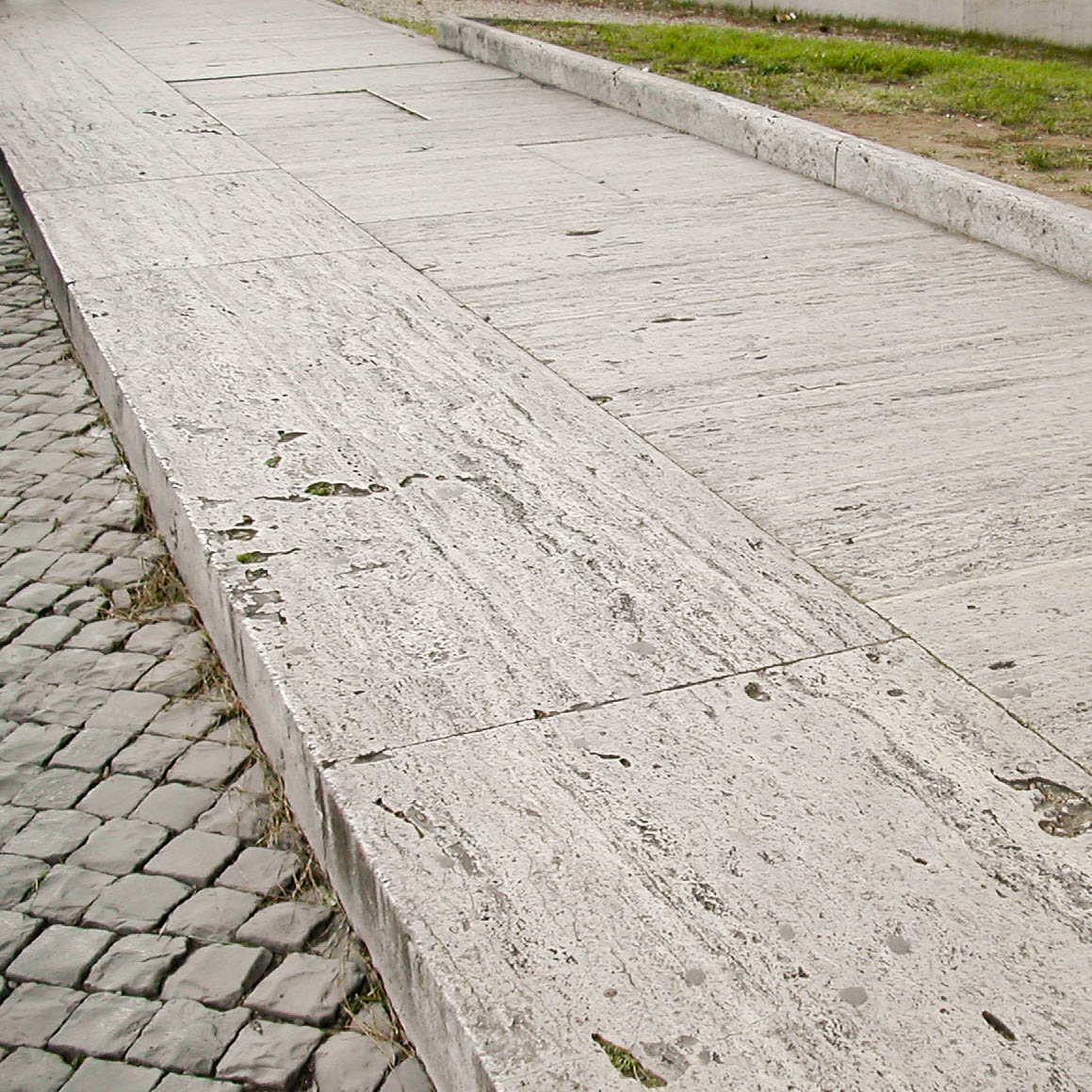
But a less artistic and more practical use must also be noted: The sidewalks of Rome are made of large slabs of travertine. This also helps us answer those who wonder if travertine is slippery and suitable for outdoor use!
Notoriously, the Monte dei Paschi Bank in Siena is the oldest bank in history. Its headquarters, like every central bank headquarters, must express security, resilience, magnificence, luxury: When building their headquarters, Pietra di Rapolano was chosen in its most typical colors, the dark colors, which are still available today for present-day constructions.