Previous
Architecture of the past to enhance biodiversity
Natural stones have shaped the history of Italian architecture thanks to the wide range of available colors and finishes. In particular, travertine is the stone used for masterpieces such as the Trevi Fountain and the Colosseum.
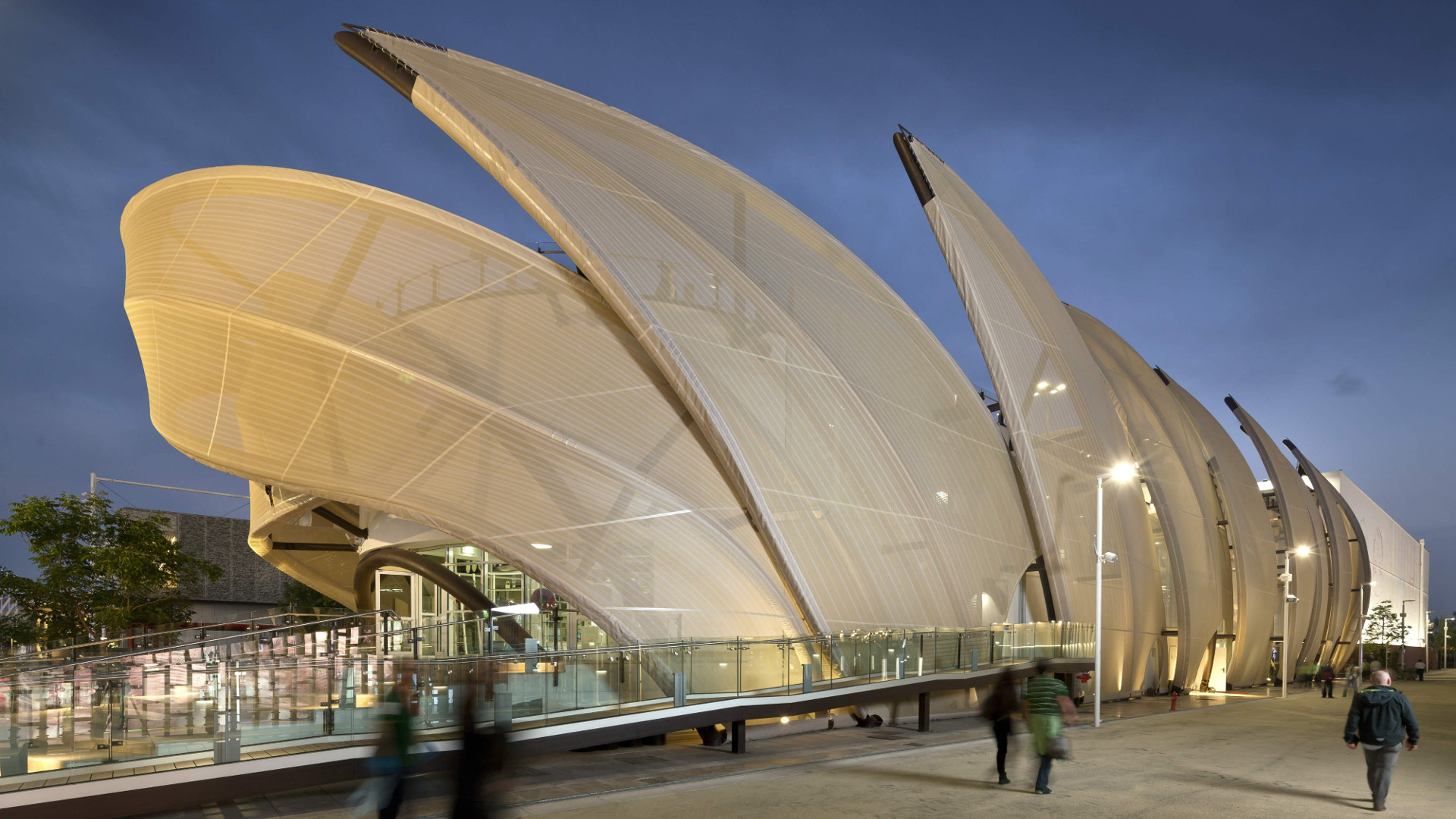
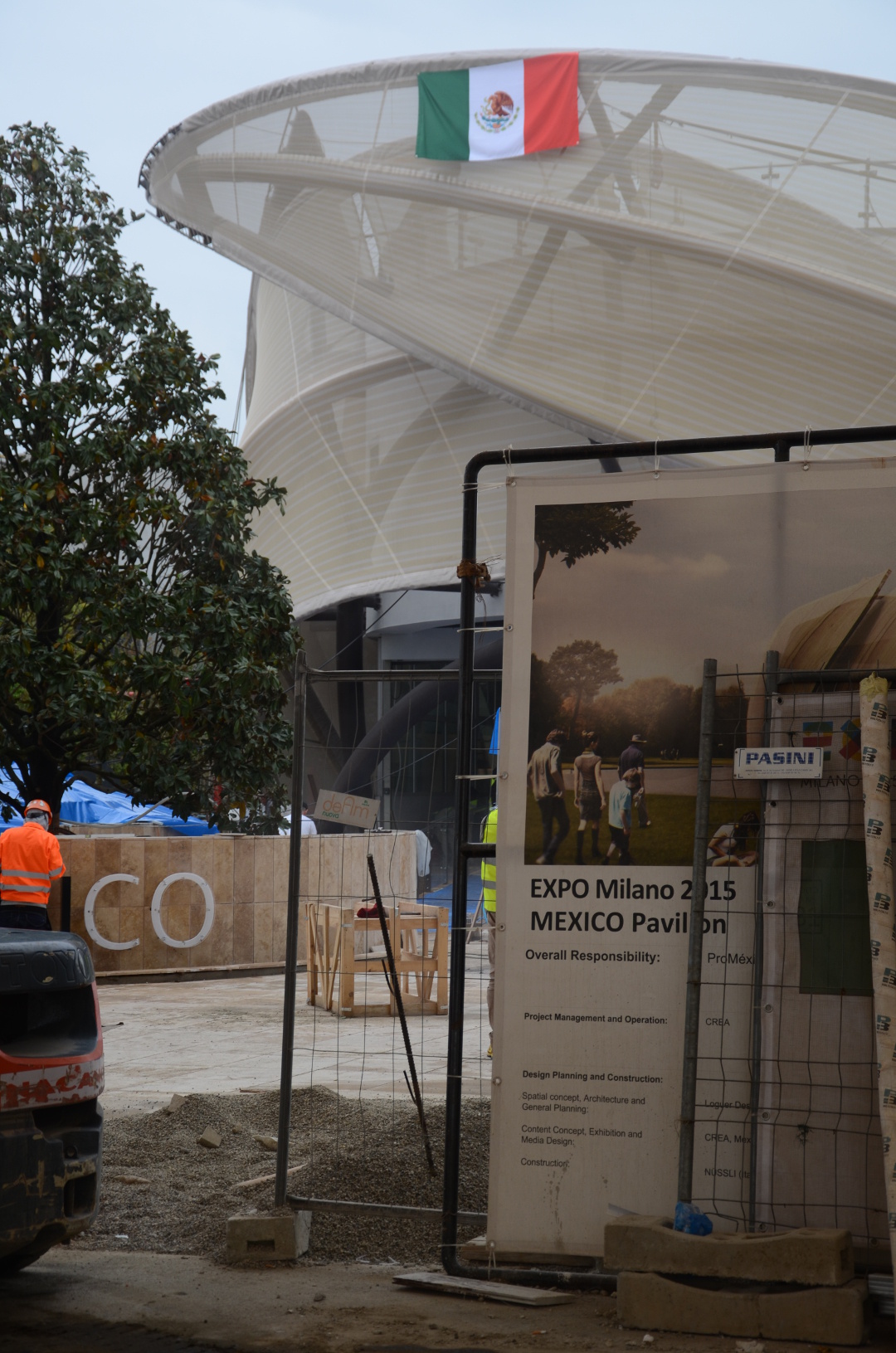
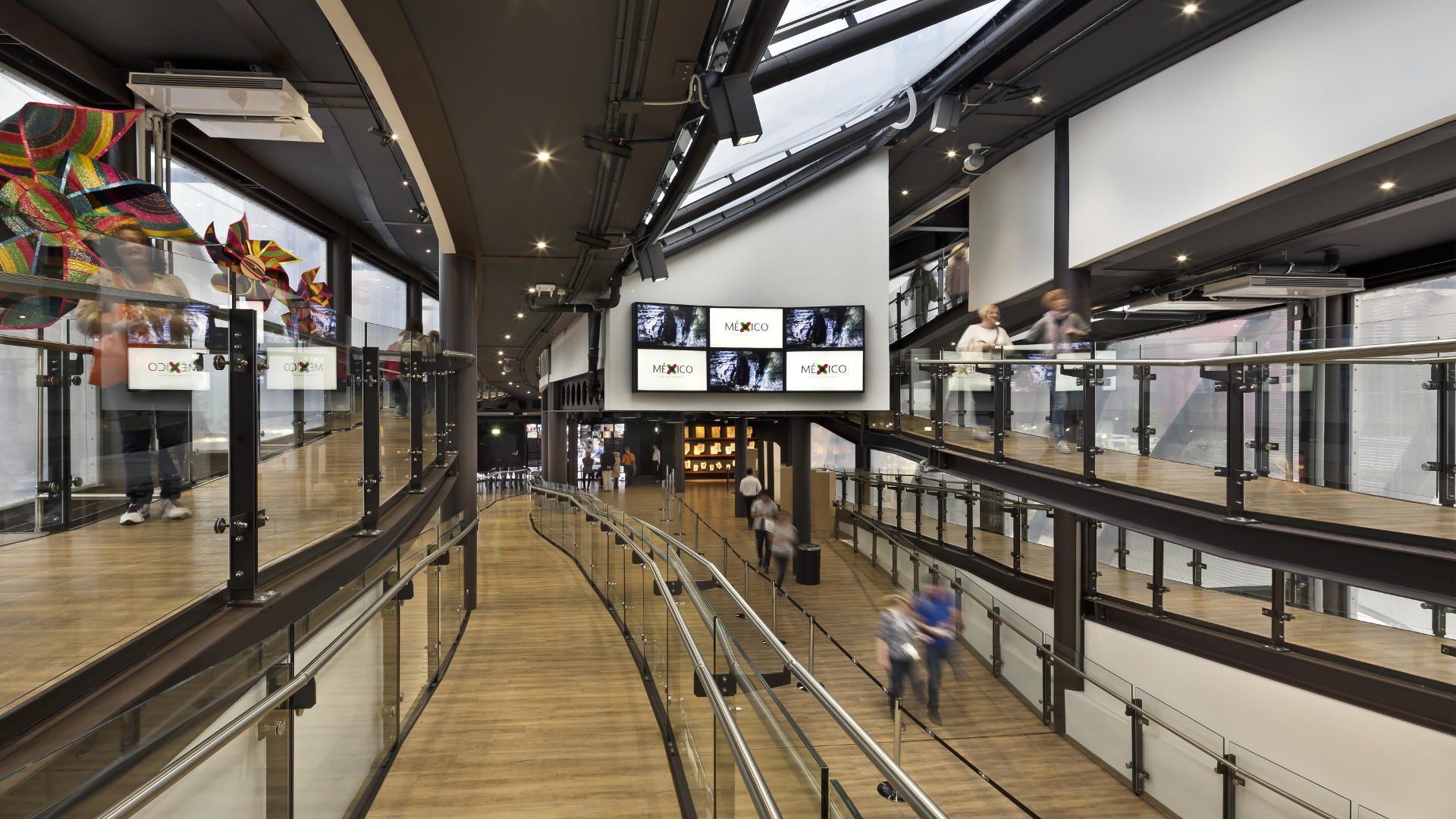
A piece of architectural history from the past was also present in the Mexico Pavilion, a work created for Expo 2015 Milan.
For this globally significant project, Pietre di Rapolano collaborated with NUSSLI, a Swiss company responsible for coordinating the construction work, and with local partners entrusted with the execution of the work.
The choice of travertine
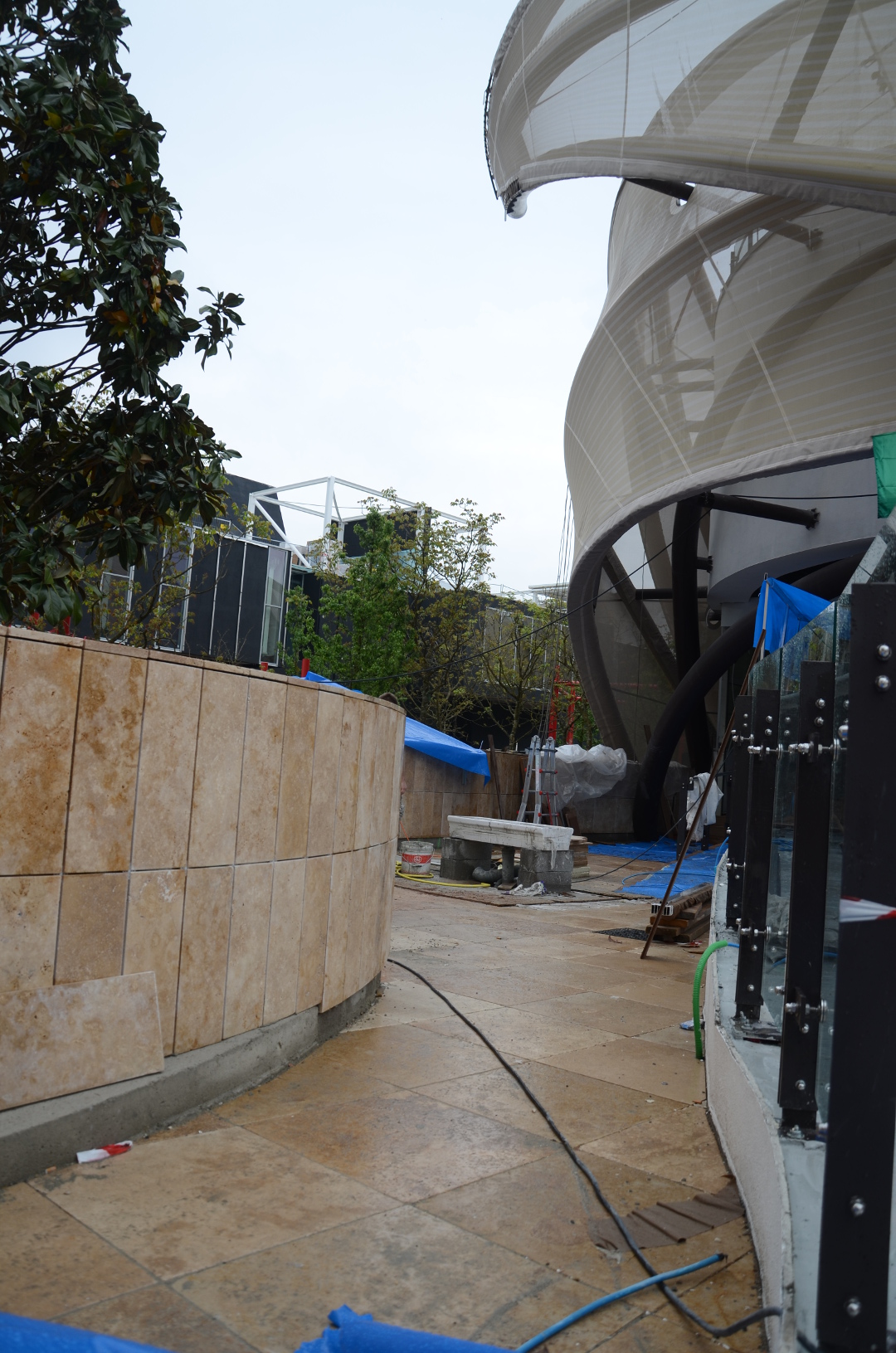
The Mexico Pavilion – designed by architect Francisco López Guerra – featured an external shape reminiscent of a corn cob, a fruit characterized by a beautiful yellow color that clearly referenced one of the symbols of Mexican culinary culture.
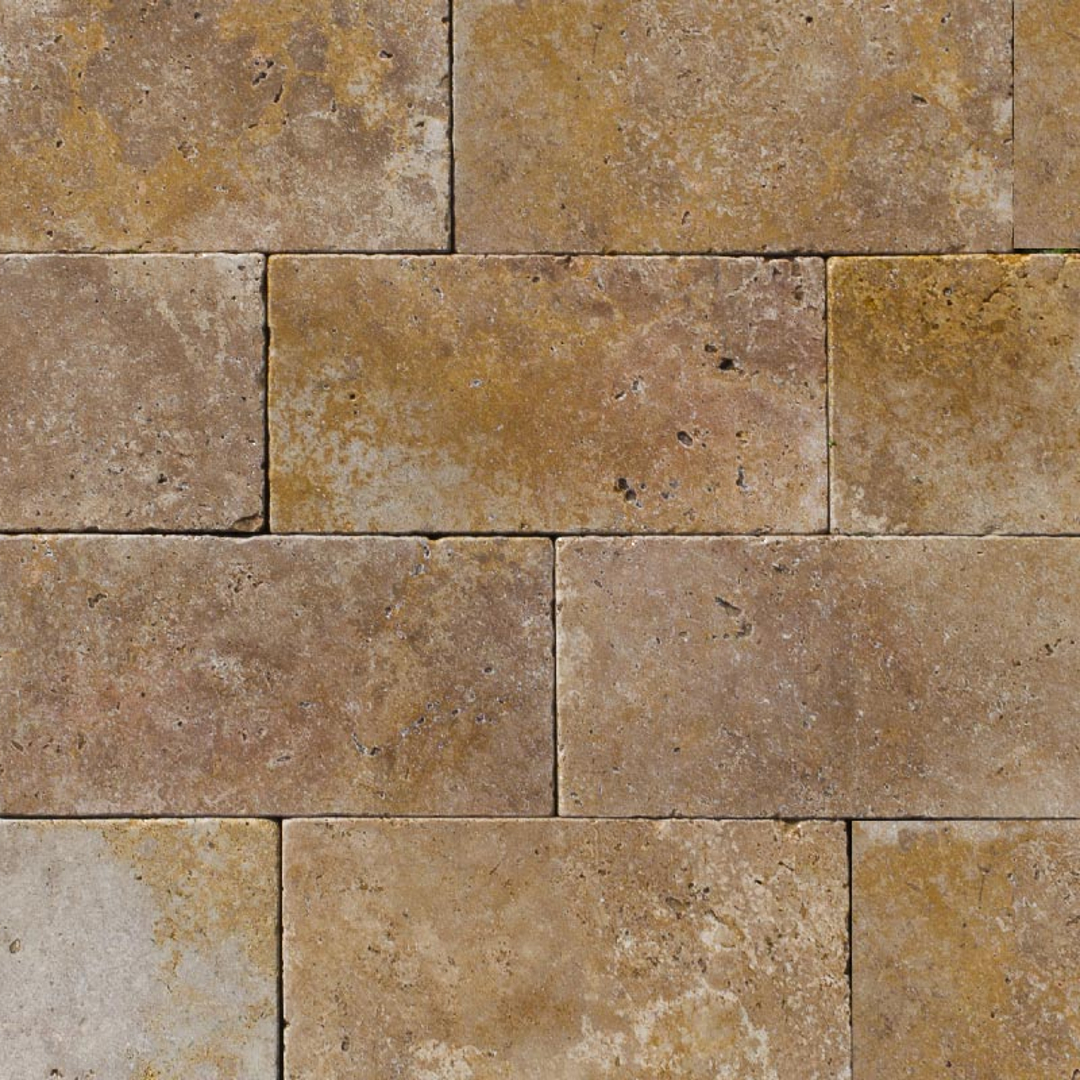
The designers were looking for a natural material for the exteriors that would evoke Italian culture and have a yellowish hue: travertine was the answer they were seeking. The color selection from Pietre di Rapolano named Autumn (code PDR029) was requested directly from the company by NUSSLI at the explicit request of the designers.
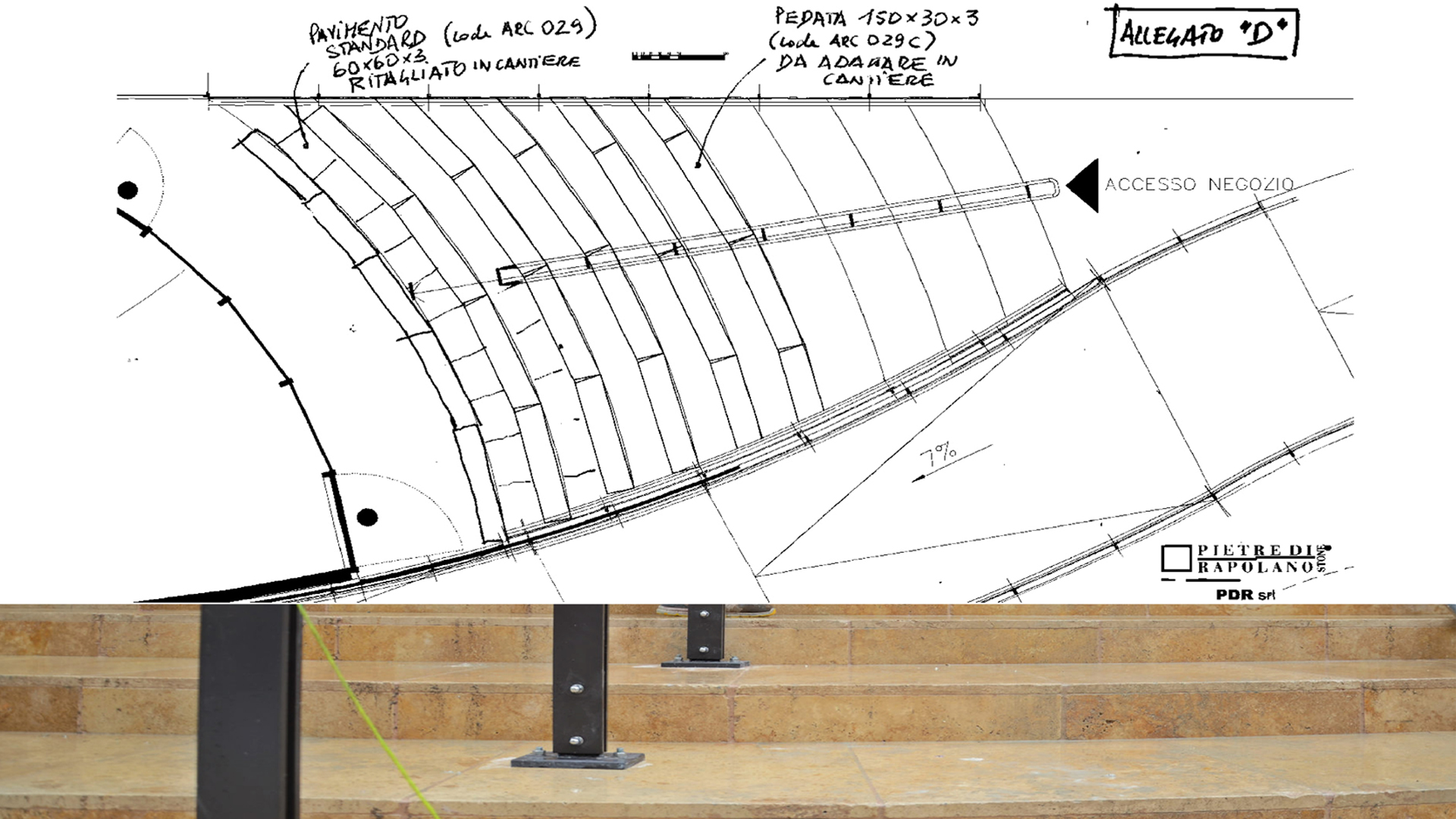
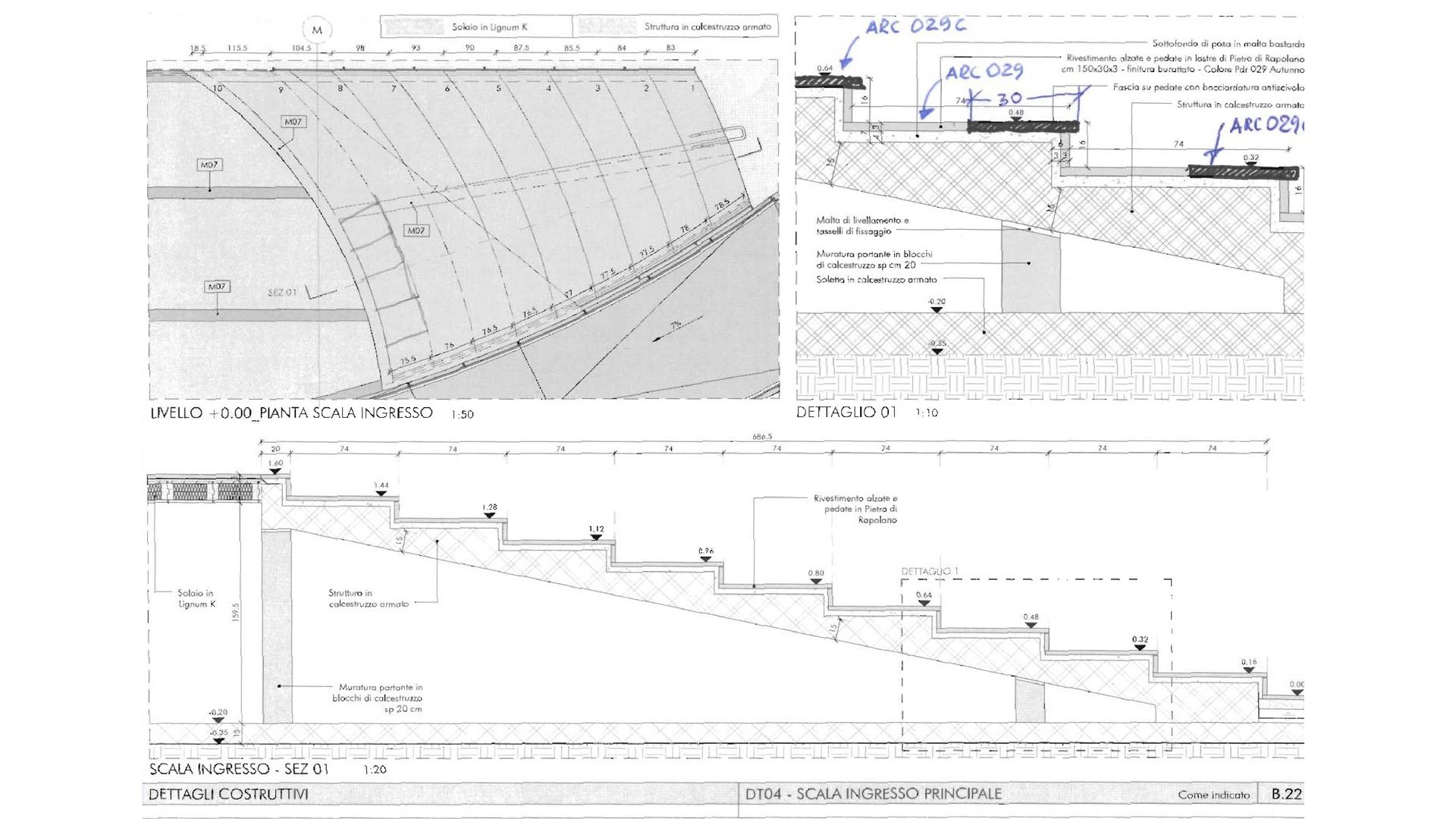
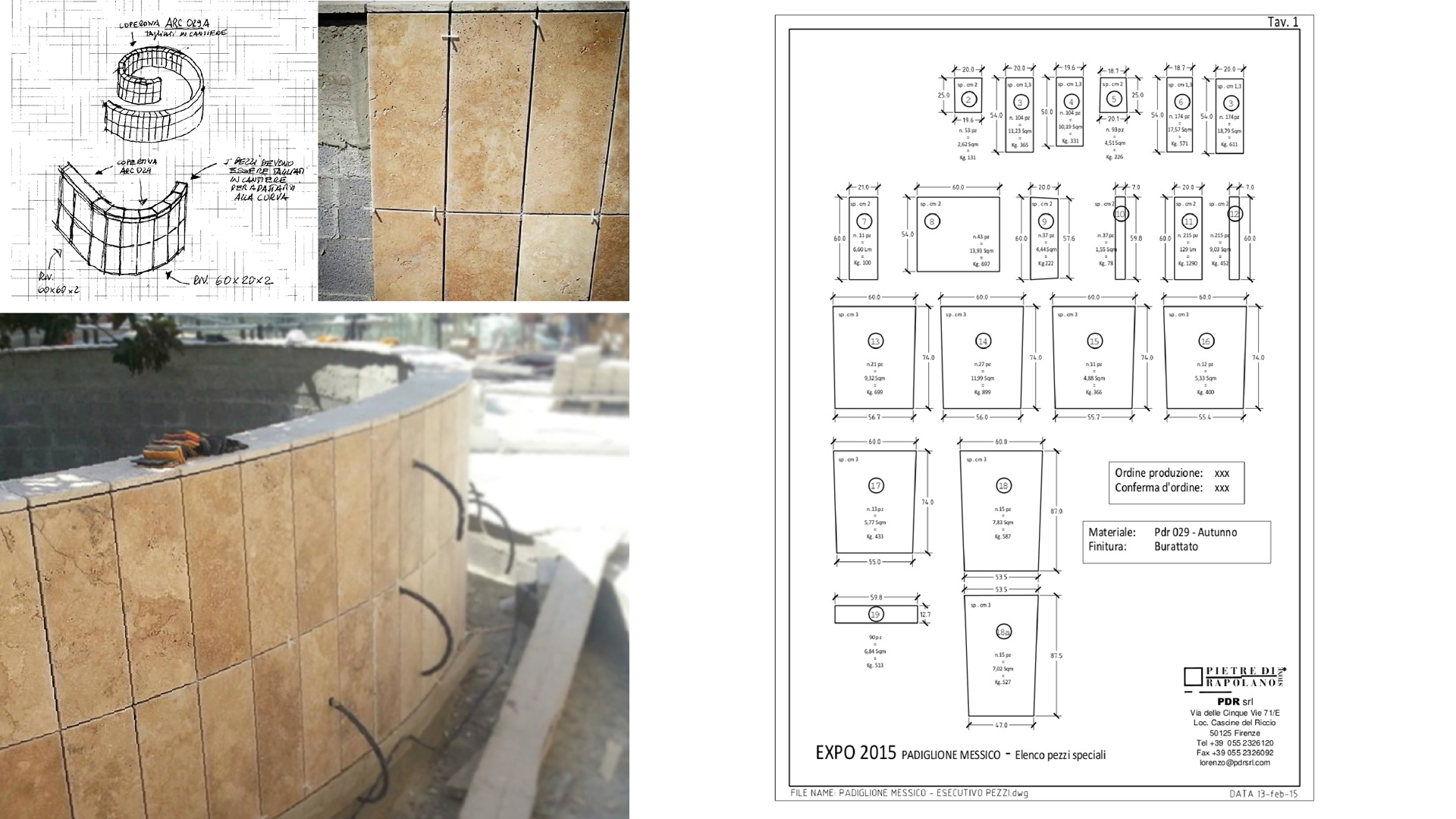
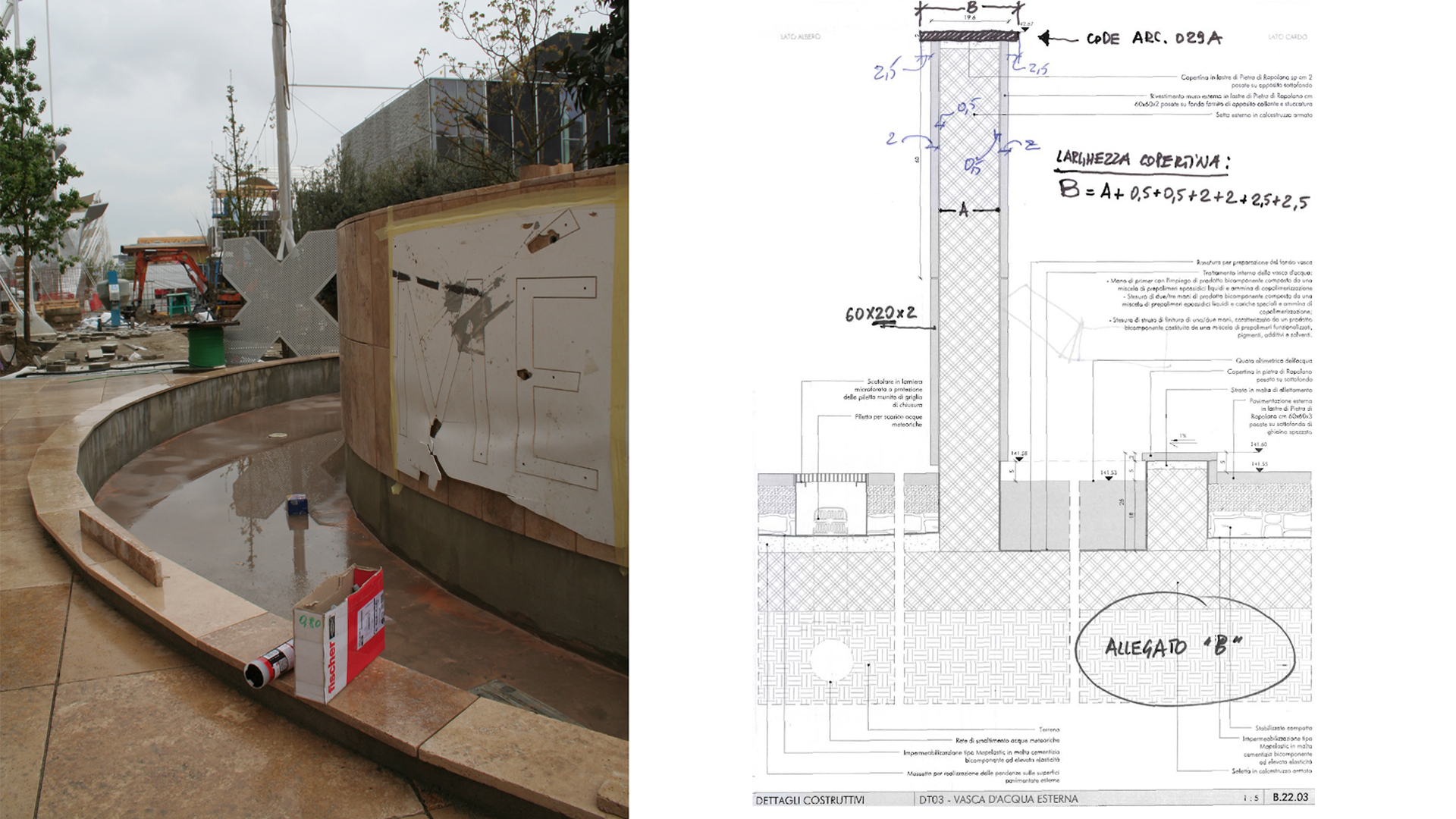
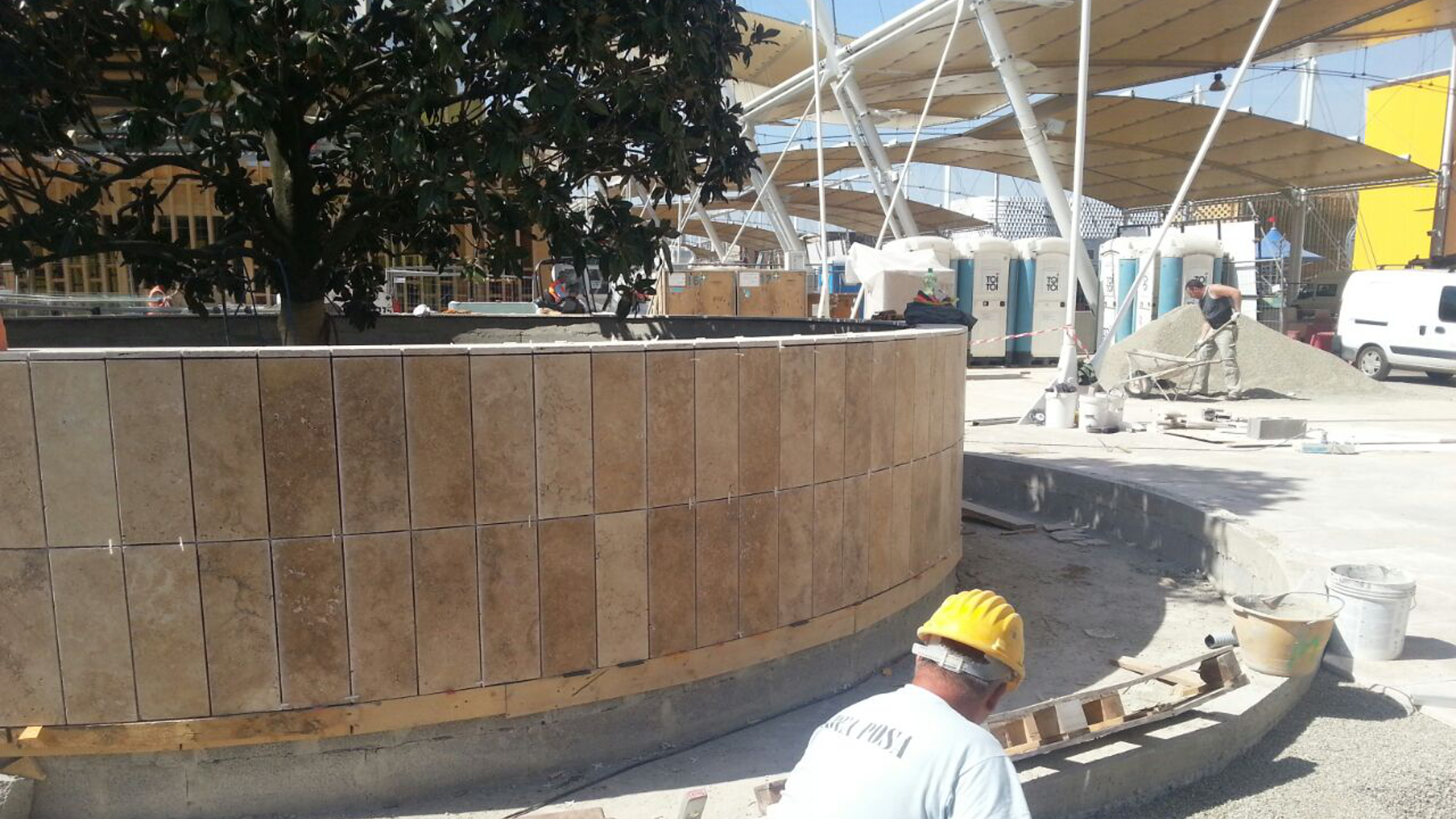
Our travertine was thus used for the external areas of the Pavilion (flooring, entrance stairs, wall cladding, cornices).
The selection used is Autumn (code PDR029) and, like all travertines, it is suitable for outdoor flooring: the chosen finish was Pebble (tumbled, antiqued) with an aged effect. The flooring used was in the format 61×61 cm with a thickness of 3 cm: this thickness was necessary because the tiles were not cemented to the ground in compliance with the need to easily dismantle the entire building at the end of the event. Therefore, they were simply laid on a bed of sand, and the thickness ensured sufficient resistance to breakage.
The provided executive project was reviewed by us together with the technicians overseeing the execution of the work, in order to simplify some details that, while not altering the architects’ design intentions, made the production of the pieces and subsequent assembly faster given the very tight deadlines that the entire construction of the work had available.