BLOG
Made in Italy Top 5: Italian Interior Designers Who Made History
Italy is the undisputed home of interior design: there’s no denying it, and it’s pointless not to say it right away.
Sure, Scandinavian style, Japandi, the latest Y2K social trends, and furniture inspired by films and series come and go, but some pieces of furniture are timeless, always beautiful and full of character. Many of these are creations of Italian design, recognizable from the start. Let’s try to list the best Italian interior designers, knowing that unfortunately, some will be left out.
The Italian interior design scene is spectacular, diverse and constantly evolving, always ready to confirm our strong sensitivity in imagining places to live and how to live them.
Here is our small guide to take you on a journey through the brightest names and the most successful Italian interior design objects.
Gio Ponti

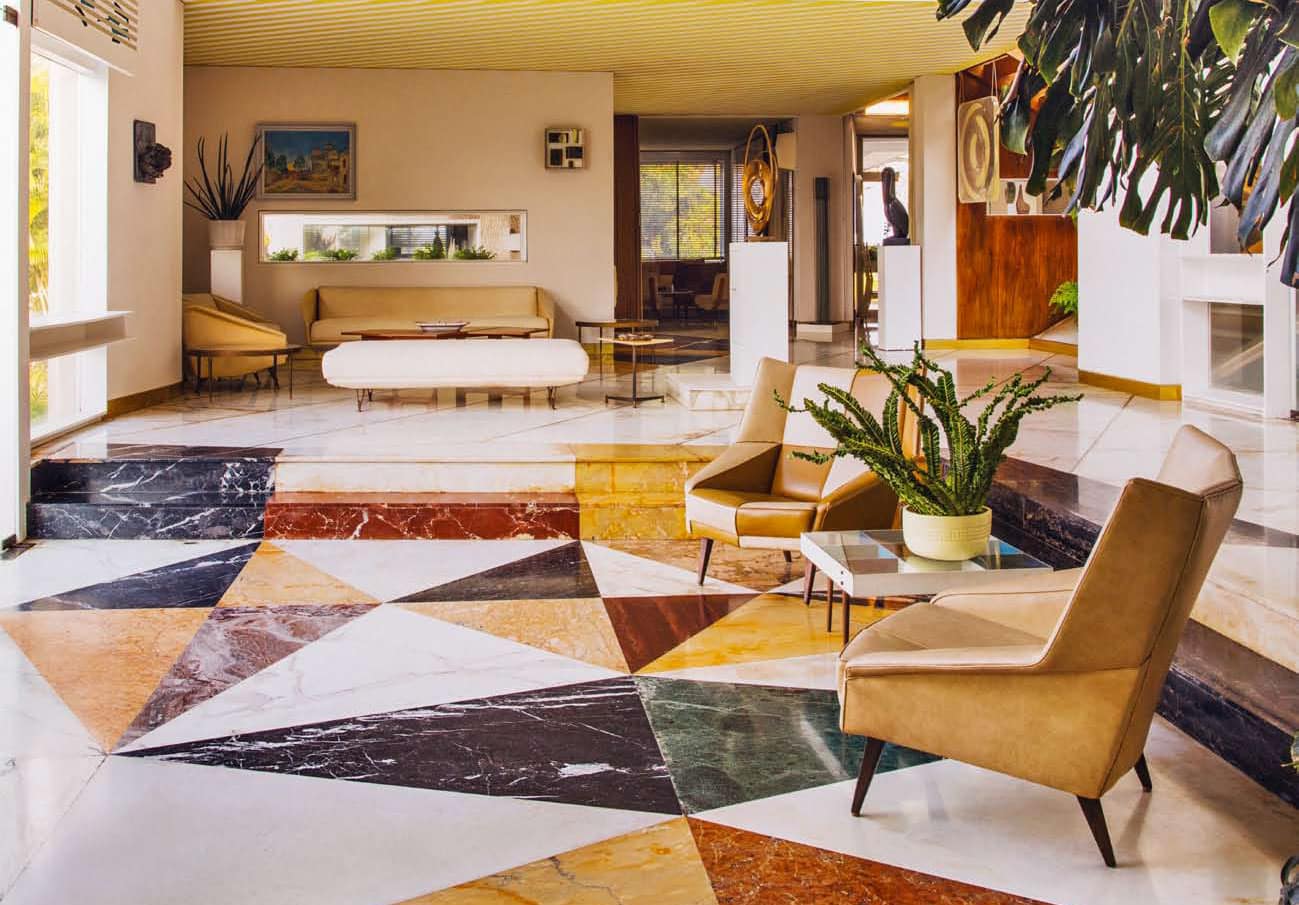
Gio Ponti is an icon of Italian design as well as one of the great architects who helped elevate the design industry and the progressive transformation of Milan into the main design capital of the country and Europe. In the 1920s, as artistic director of Richard Ginori, he harmoniously fused the old with the new with contemporary ceramics decorated with motifs from ancient Rome.
In 1928, he founded Domus, the magazine of art, design, and architecture still published and loved by professionals and non-professionals alike. His buildings are found throughout Italy, but his work is primarily in Milan, where the Pirelli skyscraper is located, universally recognized as his masterpiece: the day the skyscraper was completed, Ponti reportedly said, “It’s so beautiful that I would like to marry it.”
Ponti’s iconic objects include the legendary Superleggera chair and the lounge chair for Molteni, capable of embodying mid-century Italian style on four “pin” legs.
Andrea Branzi
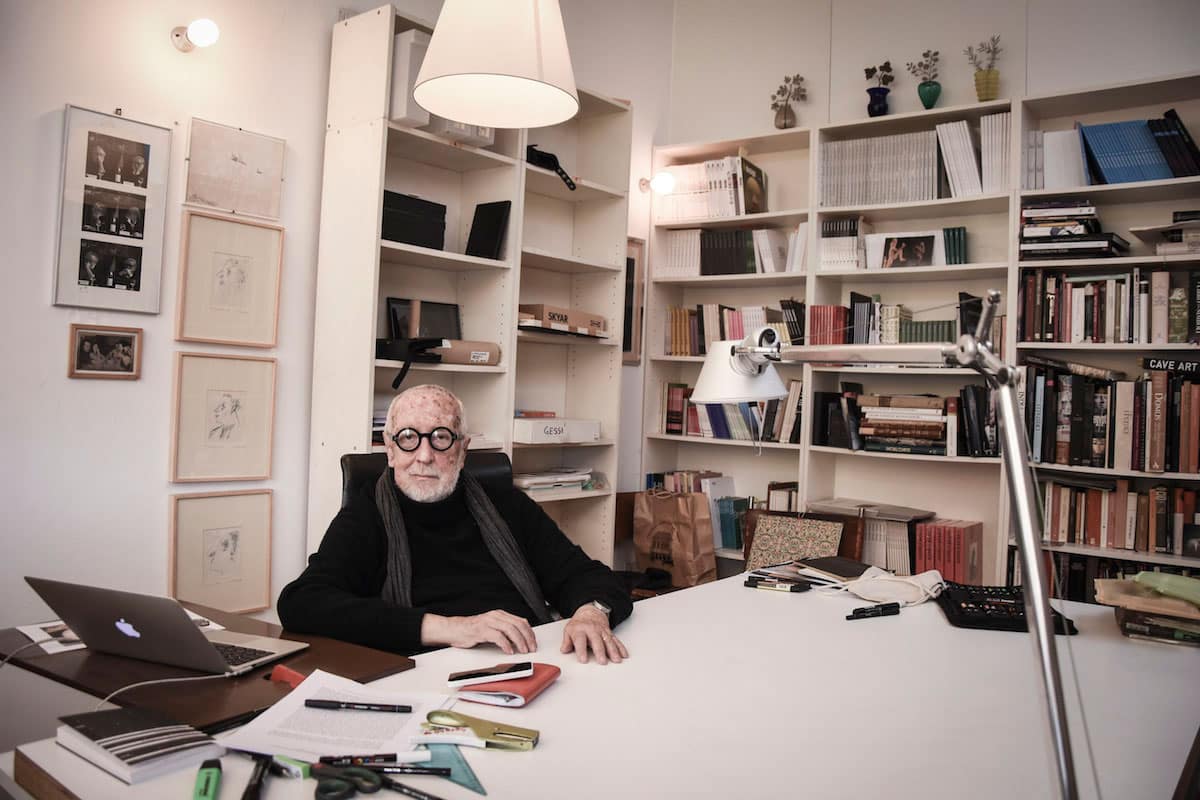
Andrea Branzi was among the founders of Archizoom Associati and his works are exhibited in the major capitals of the world. He is undoubtedly a man with vision and a strong personality, also known for combining raw natural pieces, such as branches and tree trunks, with other materials derived from industrial carpentry.
One of his classics is the Domestic Animals seating, which revisits the anthropological idea of furniture objects considered as domestic goblins protecting the inhabitants of the home.

Achille Castiglioni
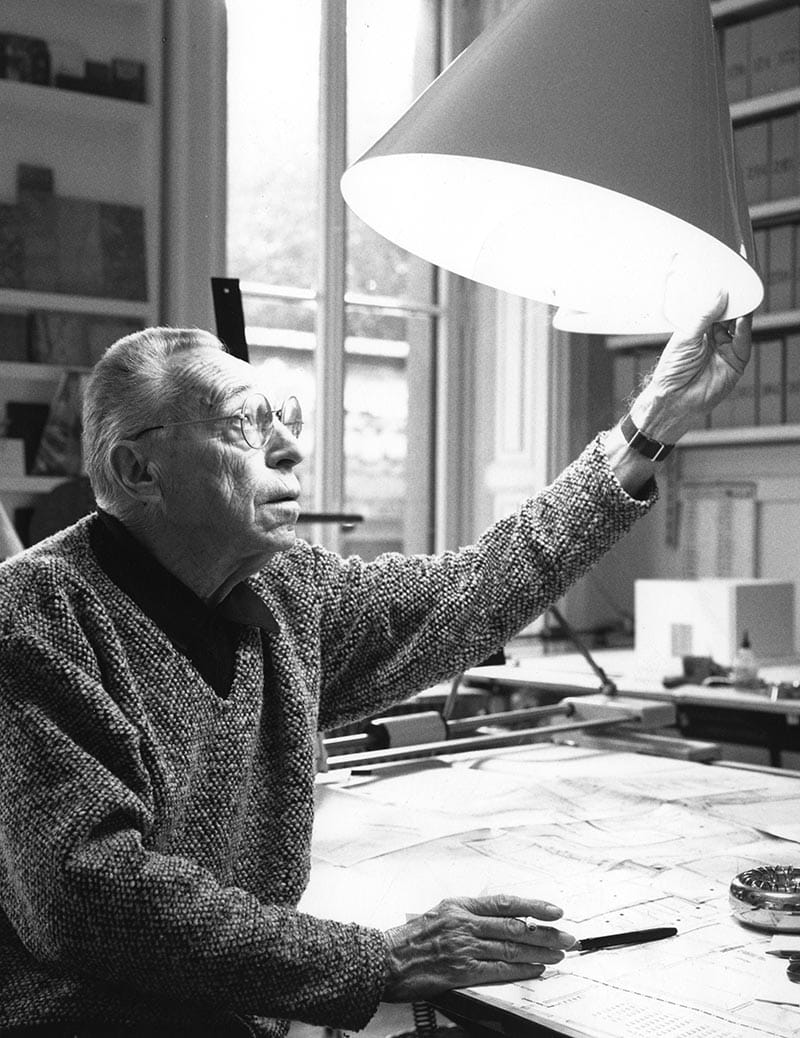
“Design should not be fashionable. Good design should last over time, until it is exhausted.”
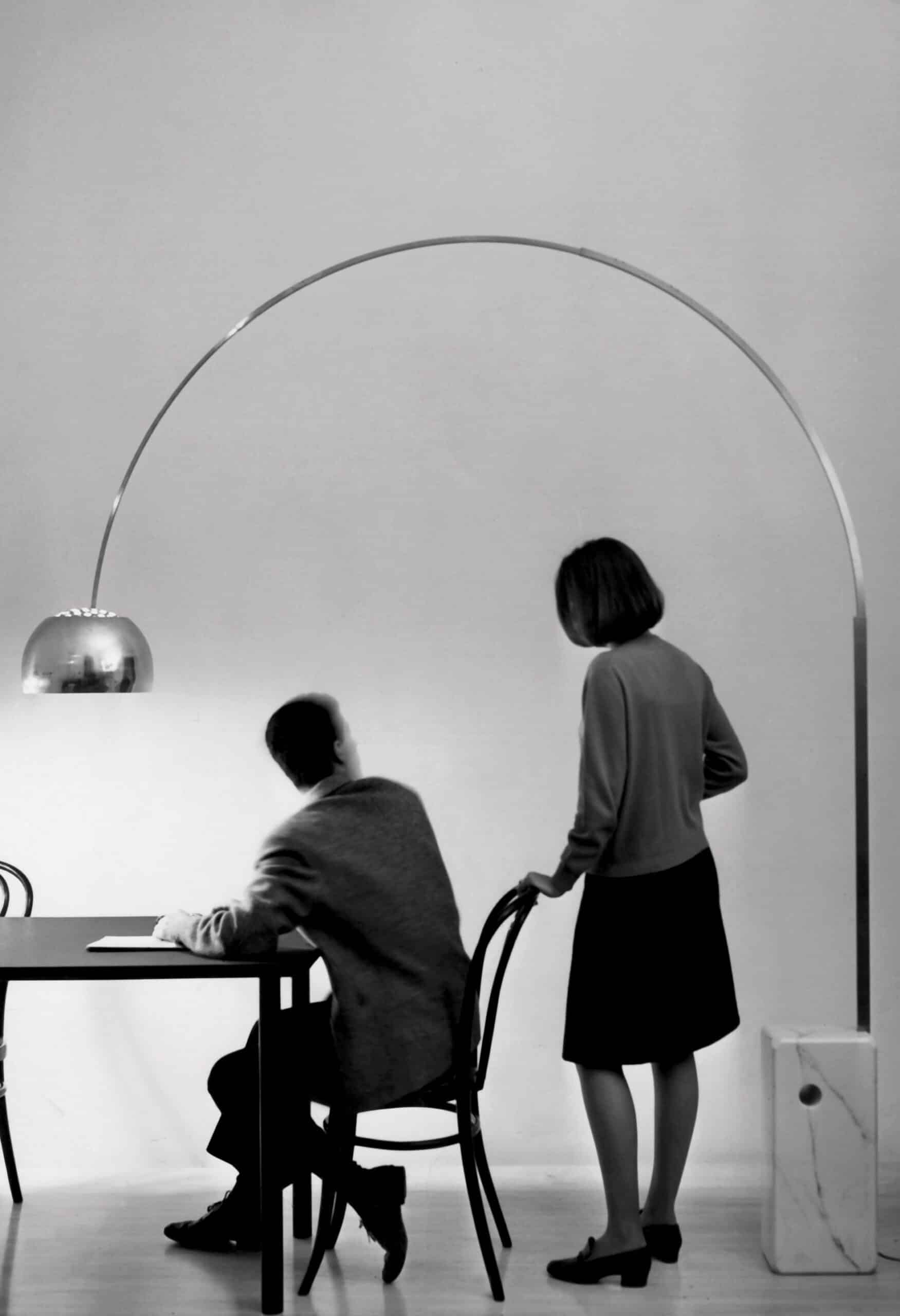
Achille Castiglioni is undoubtedly one of the most famous interior designers that the world has come to admire, his work consists of extravagant and well-designed products, with simple functionality, such as the iconic Arco lamp inspired by a street lamp, eliminating the need to suspend the light from the ceiling.
A spherical lampshade is attached to a long curved steel arm extending from a marble base.
Ettore Sottsass
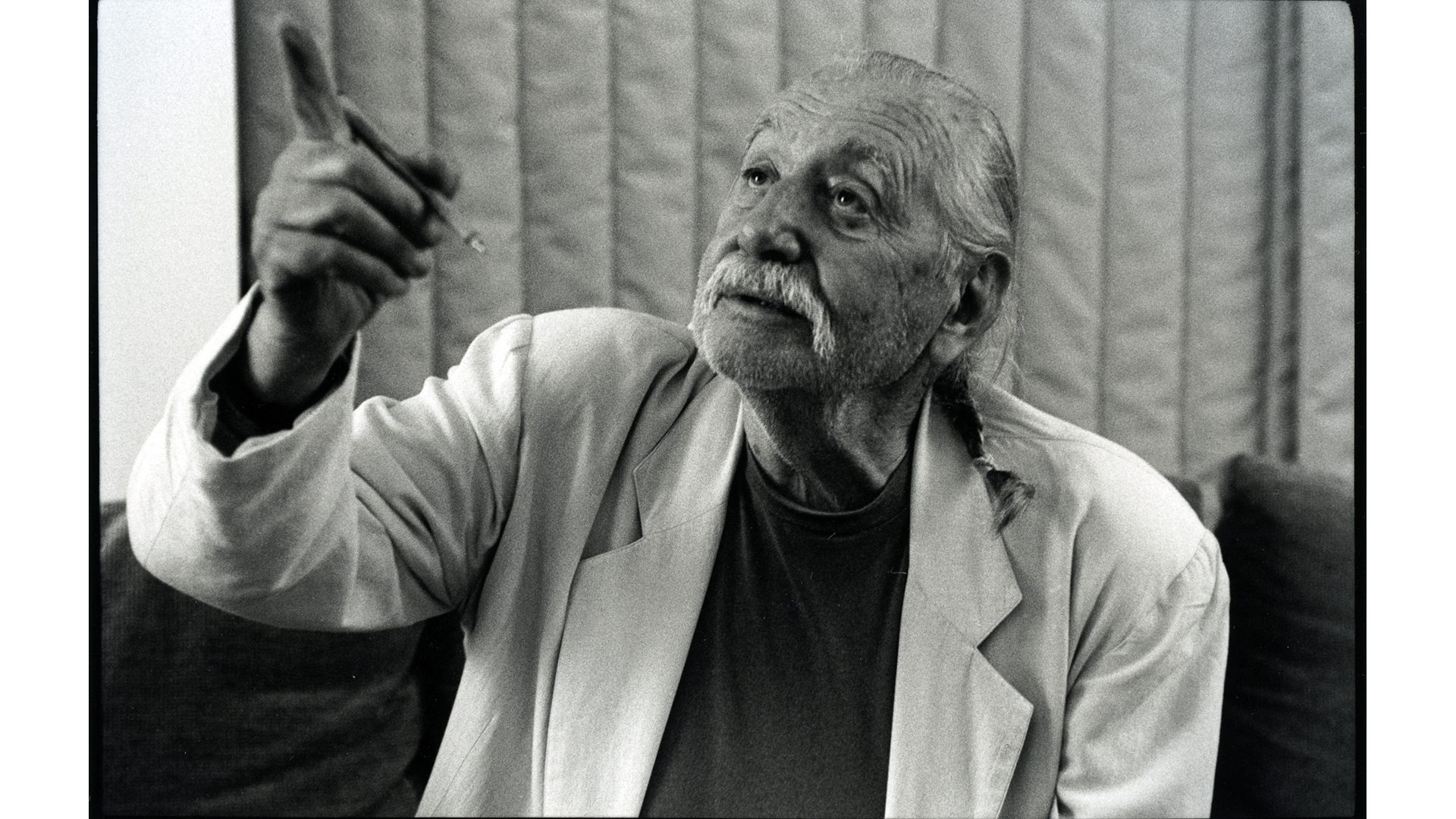
Ettore Sottsass is one of the most significant and nonconformist figures in 20th-century design. Throughout his long career, he dedicated himself to various disciplines, always creating innovative works capable of engaging with the observer and free from the typical design vision tied to functionality.
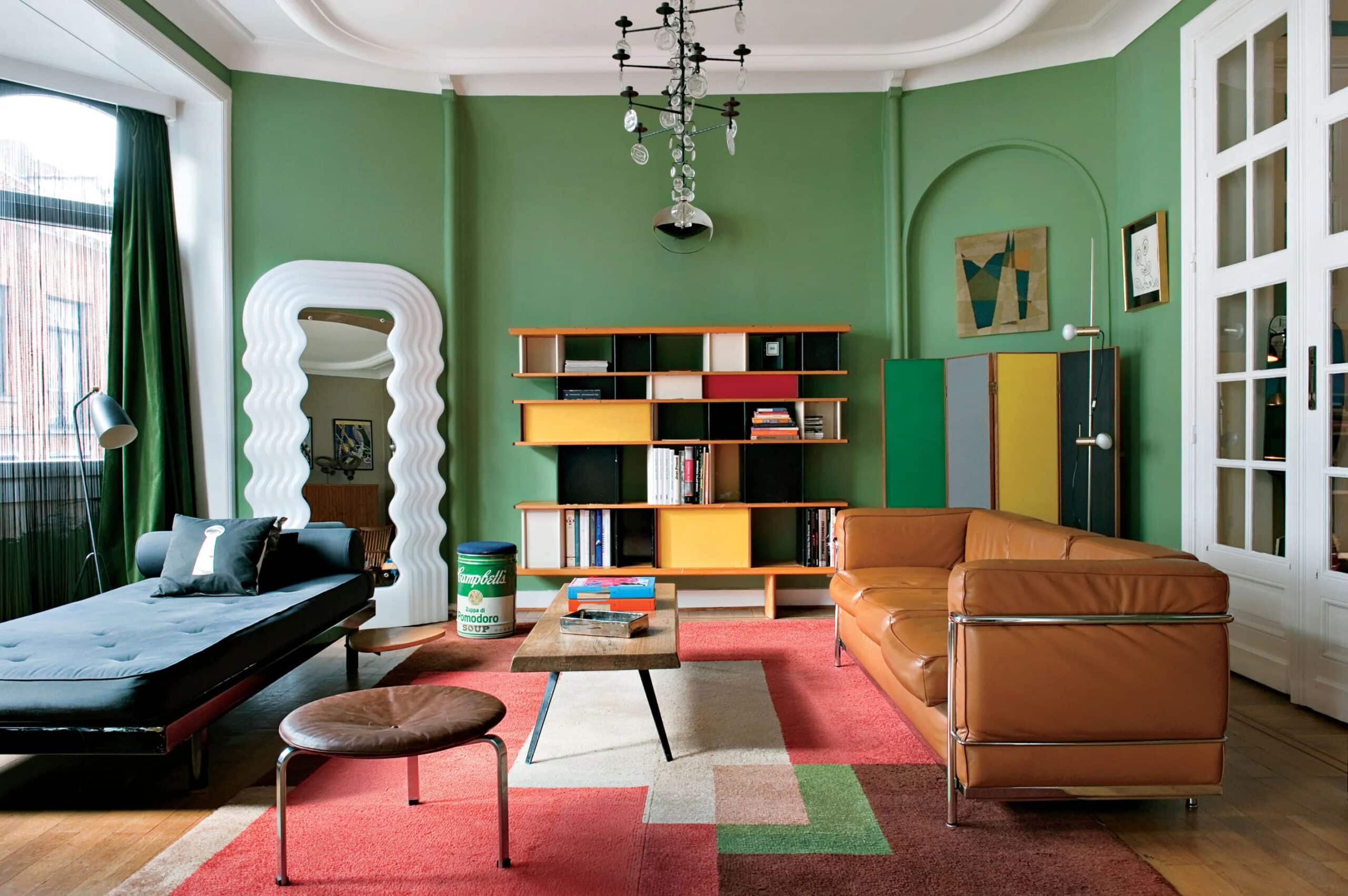
Of great importance is undoubtedly Memphis, the cultural phenomenon founded by Sottsass himself with some friends in the early 1980s, which revolutionized the creative and commercial logic of the design world, abolishing the creative limits previously dictated by the industry and imposing new forms, materials, and stimuli: the objects created are recognizable for their bold colors and lines, inspired by art deco, kitsch, and pop art, in total contrast to the minimalist and glossy design of the time.
Alessandro Mendini

Alessandro Mendini helped define radical Italian design, first through his collaborations with Alchimia and Archizoom and then with his iconic pieces – from the Proust armchair to the Anna corkscrew – and finally with his enduring vision of a profound approach to design.
In the October 1996 issue of Domus, speaking about what the new millennium promised, he wrote: “The arid, short, and fast path traveled so far by our objects of the industrial era has failed to measure up to the poetic beauty of ancient things, of tools for anthropological rites (…) Design must be the soul of matter, a good and non-aggressive soul, a soul that respects the poverty of many men and peoples. And the gradient of poverty, the ethical specificity present in an object, are the elements that guide its selection, that accredit certain objects and not others to enter worthily into the next millennium “.
Photo credits: Artemide – InTondo – Abitare – Archiproduct – L’ambiente – Elle Decor – Architectural Digest – JF Chen