BLOG
Kitchen with Island: The Advantages and How to Make the Most of It
In every kitchen, there is potential to give great space to functionality, and an island solves these issues… doing it beautifully. From movable islands to kitchen islands with seating areas, the convenience of having one in your home is an undeniable advantage.
For those who are undecided about whether to have one or not, take a look at these advantages of having a large kitchen island. But first, some basics!
What is a Kitchen with an Island?
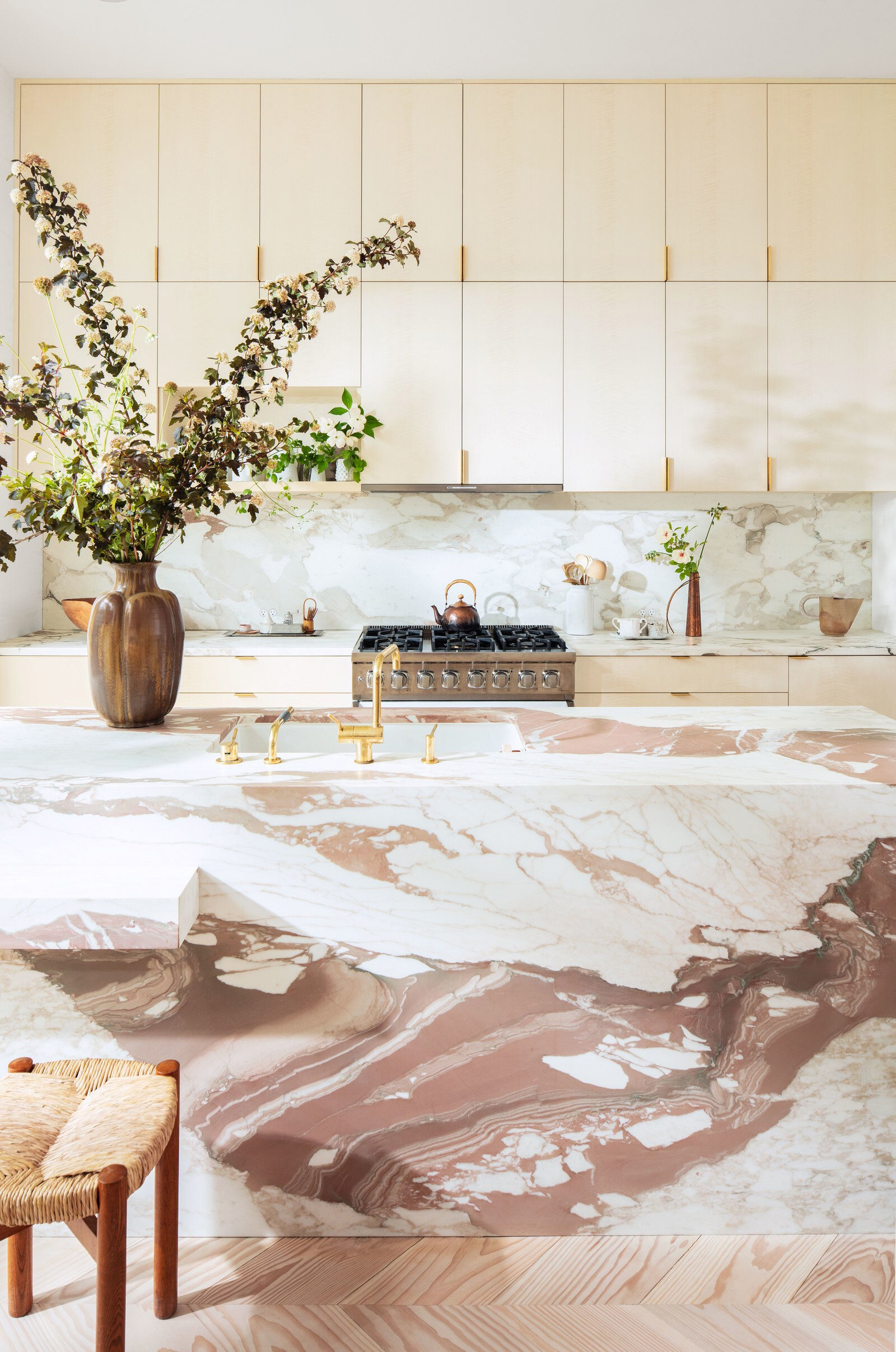
A kitchen with an island has an independent unit designed to enhance the functionality and aesthetics of your cooking area; the traditional unit is rectangular, with a section often used as a breakfast bar and for preparation, specifically made to be filled with containers or to be one of the main areas of your kitchen.
Make sure to consider the dimensions of your space when designing it: you will need to ensure there is ample space to move around, to open appliances like the dishwasher and oven. You will also need to decide if you want specific features, such as a sliding table for extra seating, a pan rack, or a marble top. All these factors, along with your personal style, will lead you to the best imaginable kitchen island.
The Aesthetic Element of the Kitchen Island
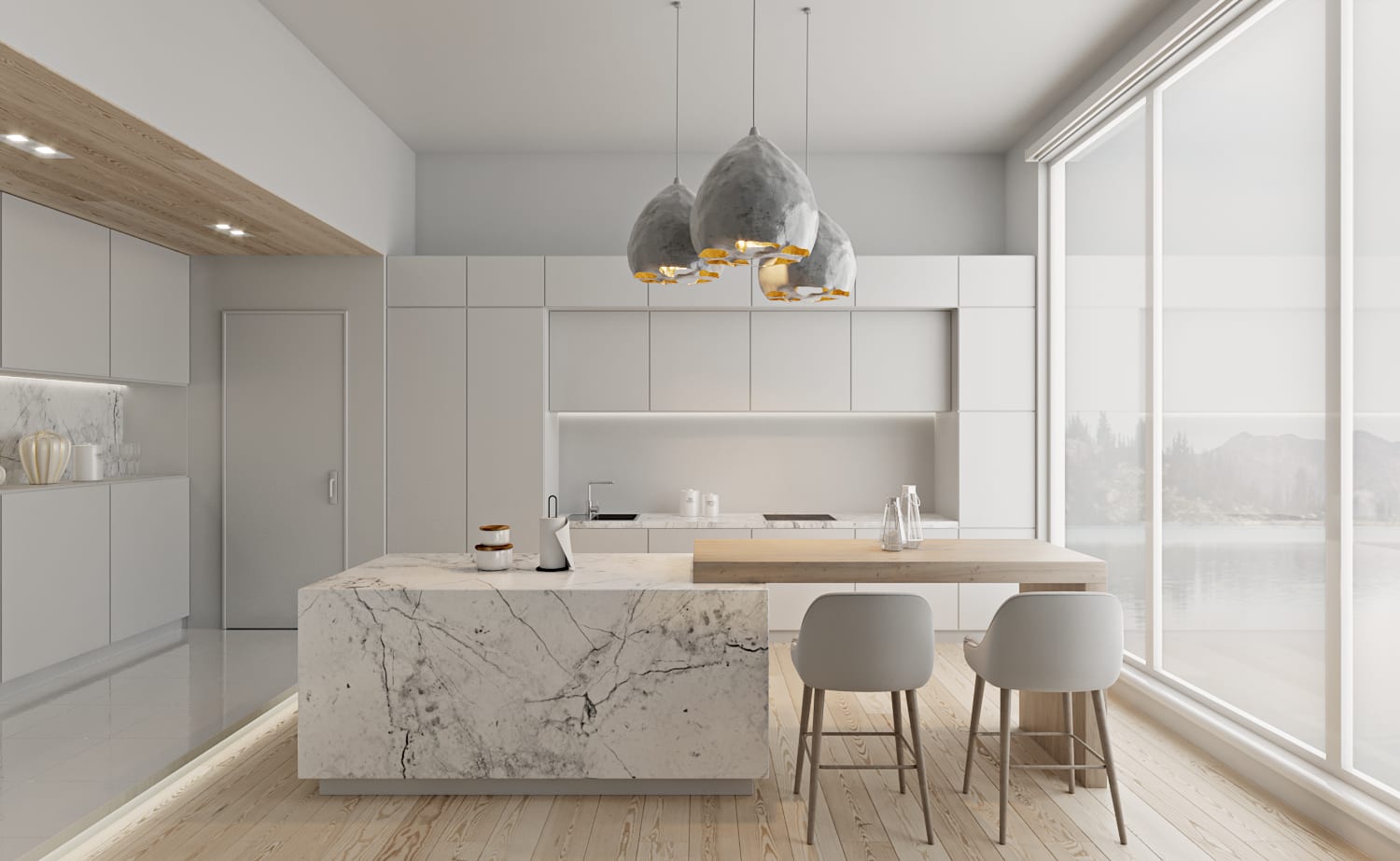
For a long time, the kitchen island was considered just an aesthetic element, something to complete the overall look of the environment.
Now you can choose an island that fits perfectly into the space as if it has always been there, or you can opt for a completely different color for the furniture to make it the focal point of your kitchen. However, we suggest sticking to the same countertop and cabinet design to tie everything together.
Often when talking about an island, a common issue is the lack of light. Even if you might have under-cabinet lighting, don’t leave this part of the kitchen in the dark; instead, you can illuminate it with some stunning pendant lights.
How to Fit a Medium-Small Island in the Kitchen?
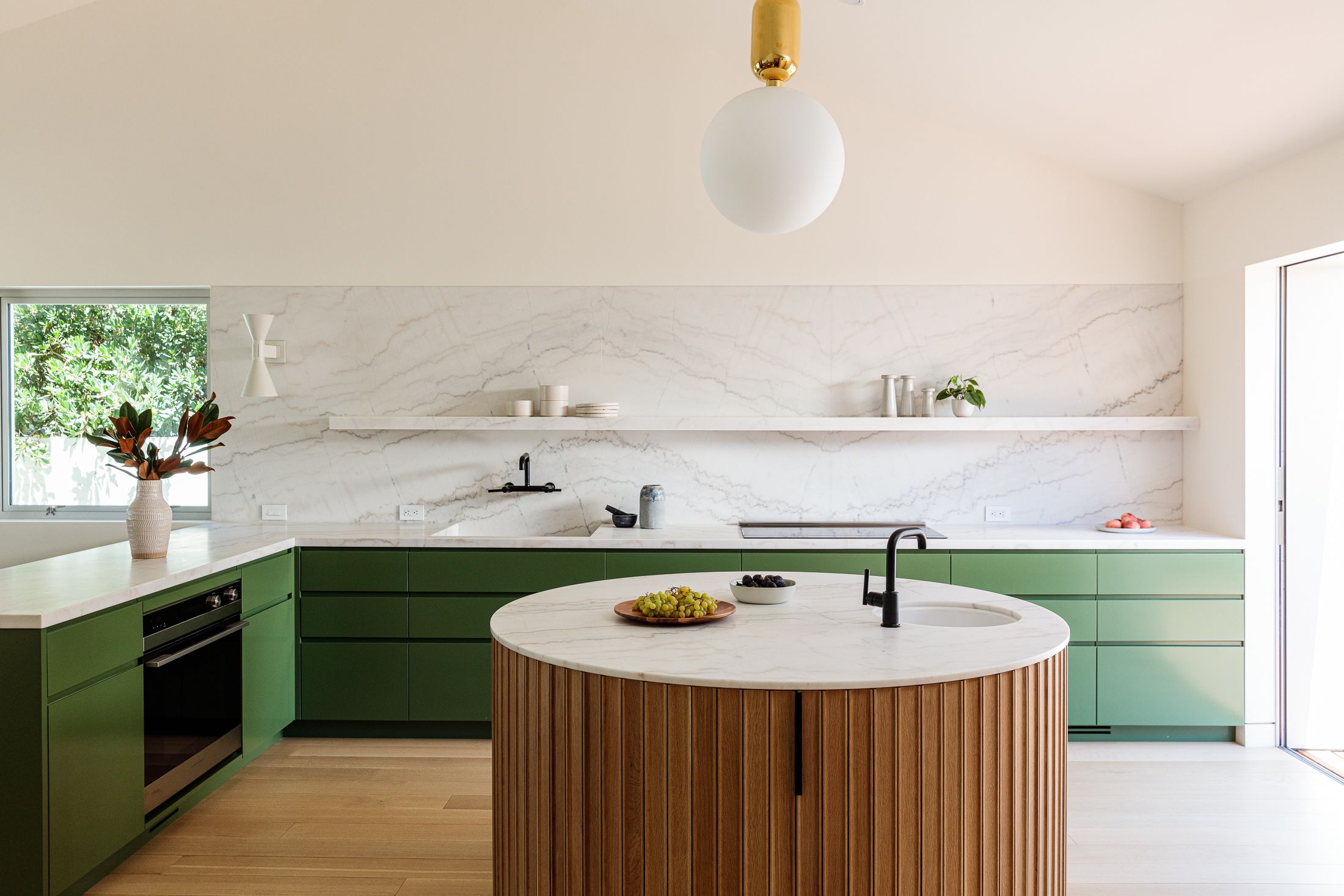
While the conventional island is usually square or rectangular, know that it doesn’t always have to be that way! If you have a kitchen where one of these two shapes wouldn’t fit properly, there’s no need to choose a traditional setup that makes your kitchen look “full.” Here are some less commonly used proposals that should work perfectly even in less open space kitchens.
- A movable unit: you can set it aside when not in use.
- Breakfast bar turned into an island: who says your island has to be right in the center of your cooking area? You can place it near the walls without compromising functionality.
- Circular countertop: if your kitchen doesn’t have much space, why not place your island right there, in the center? This space is also perfect for storing stools around and underneath.
A Kitchen Island Can Be Perfect for Kids
Whether it’s homework time or they’re helping you prepare dinner, a kitchen island is a great place to make kids feel part of the action (and to keep an eye on them). Another option for kitchen islands is to have child-height services within reach, like a microwave. For after-school snacks and weekend breakfasts, services that kids can use independently are really a good idea!
What Materials to Choose for an Island?
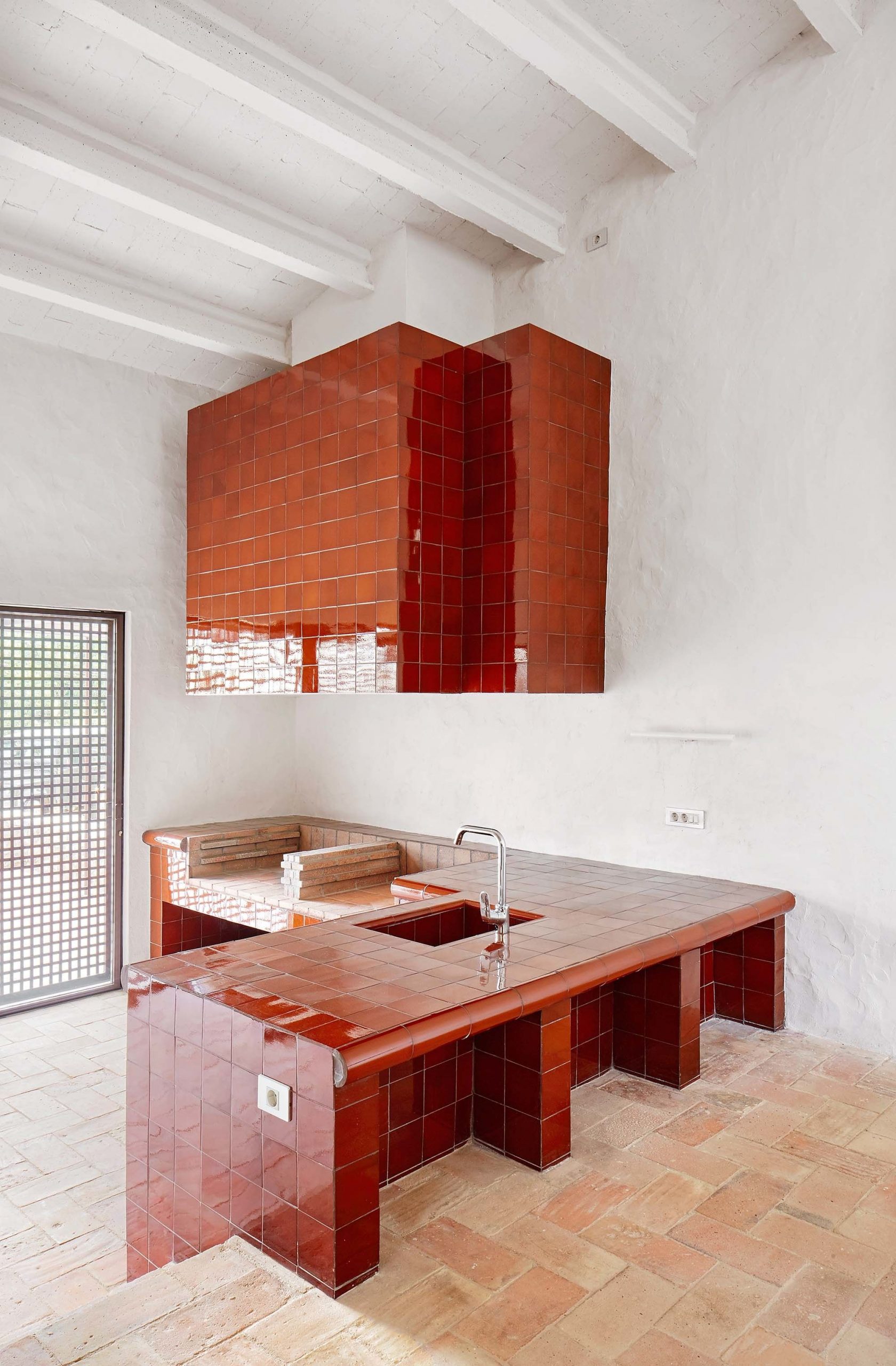
Whether you’re using your island for reorganization purposes or you want the island to be like a veil over the spectacle happening in the kitchen, it is certainly an extra work surface for you. If cost is an issue, consider laminate; for a mid-range expense, you might consider concrete; at the high end of the options, we find marble, granite, travertine, and various types of wood.
If you think a kitchen island is only useful for “show,” now we’ve given you more reasons to have one in your home too. From storage space to additional seating, you’ll love the versatility offered by a kitchen island.