BLOG
Interior Design: here are the ways your home can make you happier
Can interior design play a role in improving our lives within our homes? The answer is yes! It has been proven that many types of decor reduce stress, particularly some design elements, if used correctly, can create an environment conducive to enhancing our physical and mental well-being.
The way a space is designed must consider much more than just aesthetic beauty: every decision made is intentional and helps meet the overall goals of the rooms. So, how can we leverage the positive effects of decor? In this article, we will examine some of the most important elements of interior design that affect your well-being and discover how we can optimize our spaces to improve it.
Prioritize function
Naturally, people want more from their homes now more than ever, but as needs change and evolve, it is important to closely monitor the functionality of each space.
We must start by observing the most important function of each room and seize the opportunity to first address any challenges that may arise: its layout, furniture arrangement, and storage solutions all contribute to the functionality of a space and, ultimately, influence how we feel in that room.
It has been shown that a cluttered environment negatively impacts our overall mood. When thinking about interior design and mental well-being, a great way to implement it is to have systems that facilitate organization and tidiness; choose furniture that suits your needs, so you don’t end up fighting against your space. Some design principles, including balance, proportion, symmetry, and rhythm, can introduce a sense of harmony.
Choose color carefully
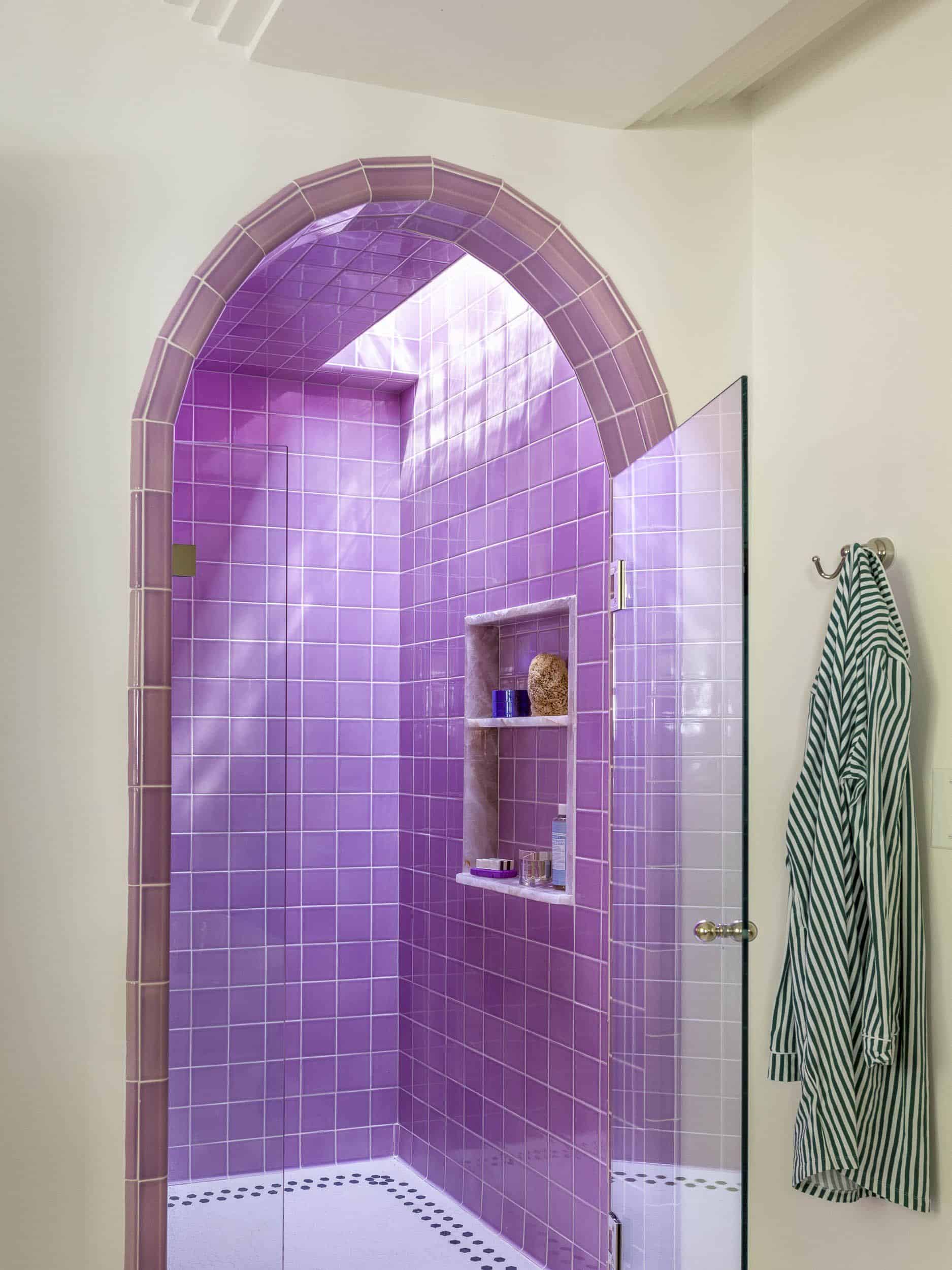
Color is one of the most influential aspects of any design, a simple change of a wall can transform a bright and airy space into a dramatic and melancholic cocoon. The study of the effects of colors on mood is fundamental, and although not everyone reacts the same way, we can rely on some general guidelines on how people respond to colors. Some, like red and orange, induce passionate and energetic feelings, while others like green and blue have more relaxing effects: green, for example, tends to be a calm and restful color and can invite harmony, blue is a highly peaceful color that can be particularly useful for stress management because it encourages a powerful sense of calm; in many cultures, shades of purple represent wisdom and peace, suggesting a feeling of tranquility that helps reduce anxiety.
Let the light shine
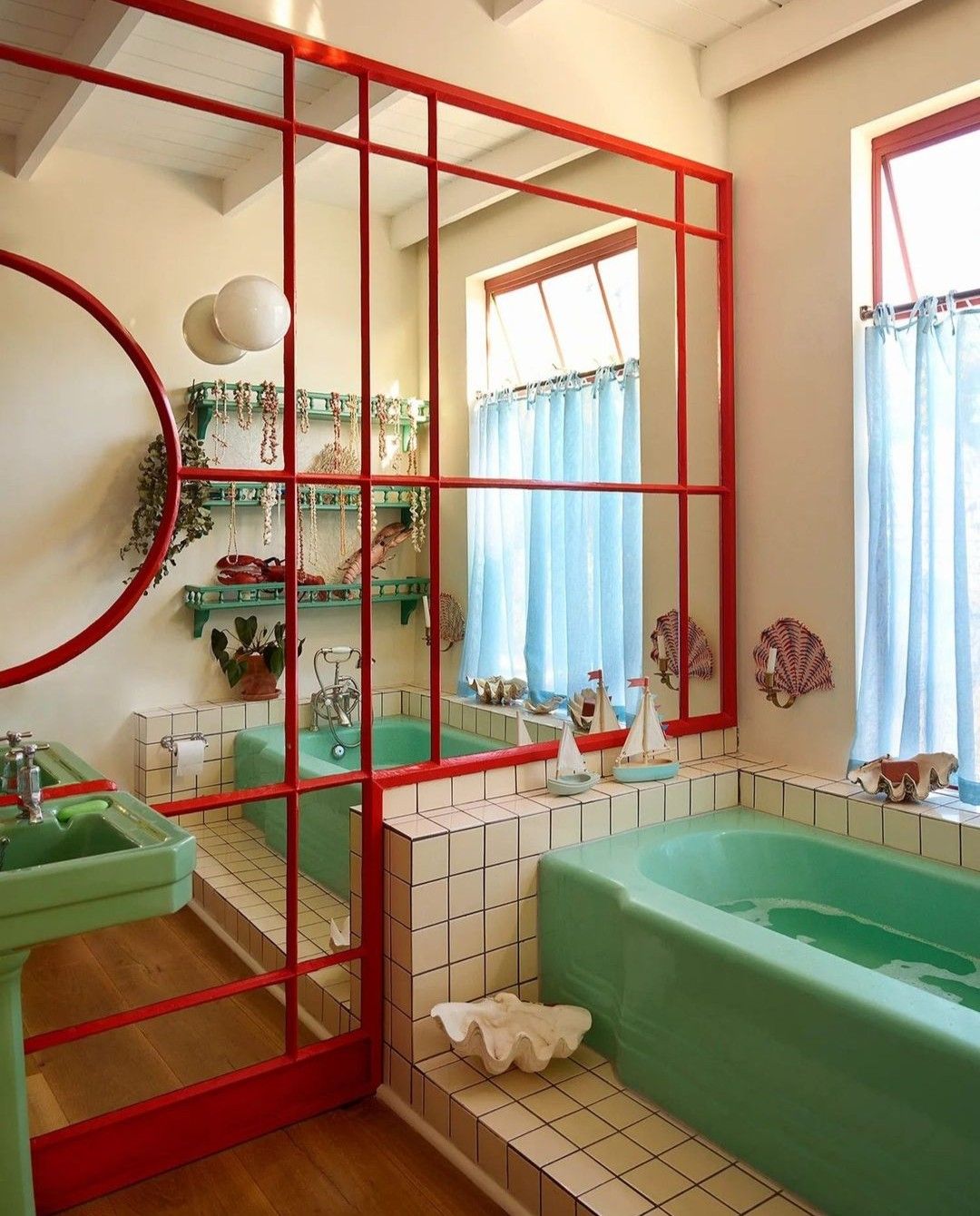
Mood and energy levels are directly related to the amount of natural sunlight we receive each day. In addition to improving our mood, receiving plenty of natural light can help sleep quality and increase vitamin D levels: letting more brightness into your interior design project is therefore a great way to improve your mood even if it is not always feasible.
Here are some helpful ways to do it
- Use mirrors: it’s a great way to reflect light into the darkest corners of a room.
- Choose a door with a window: doors take up valuable space in any entrance and often lead to an interior hallway that simply doesn’t get enough light. Choosing a door with a window is a quick and beautiful way to brighten the space.
- Light colors: choose light-colored walls, furniture, floors, and accents. Obviously, the darker the finishes, the darker the room.
Nature-inspired design
By now, we all know that spending time in nature is good for our overall well-being, which is why we are also witnessing the growth of the biophilic interior design trend.
Plants can completely transform the atmosphere of a living space, from bare and lifeless to lush and inviting. They improve air quality, reduce stress, and can enhance your overall mood; plants add color, interest, and charm and are incredibly easy to integrate: if you’re looking for a more immersive experience, opt for a spectacular integrated green wall.
The use of natural elements, such as wood, cotton, leather, and stone, are also great ways to express your connection to the earth through design.
Photo credits: Pinimg /