BLOG
How to Integrate Sensory Interior Design into Your Space
Good interior design goes far beyond buying furniture and choosing wall colors. It considers functionality, how we live and move, and what we need, and these aspects become even more important when you have heightened sensory sensitivity.
Sensory needs are a condition that affects how the brain processes environmental stimuli, which include things you see, hear, smell, taste, and touch.
Everyone deserves to feel comfortable in their own home; therefore, we aim to offer you a guide to address various sensory needs in design without sacrificing style, substance, or functionality, focusing on the senses closest to us, those of sight and touch.
Sight
Choose Calming Colors
Designing for people with sensory sensitivity does not necessarily mean a neutral aesthetic or lifestyle, and honestly, living only with these color tones is not always realistic.
Color theory plays an important role in any design project, especially when dealing with people who can easily become overstimulated: soft tones are an excellent choice with grays, blues, and whites commonly found in spaces like wellness centers and nurseries due to their relaxing nature. Everything is very muted, soft, and peaceful, but even so, it can be super bright with the right furniture inserts; however, if the idea of a neutral color palette doesn’t excite you, choose the Jewel tone trend and thus darker colors in common areas. Such intense shades are often used to create a sense of intimacy and protection, ideal for making homes or open spaces feel smaller (in a positive sense).
Clear Clutter from Surfaces
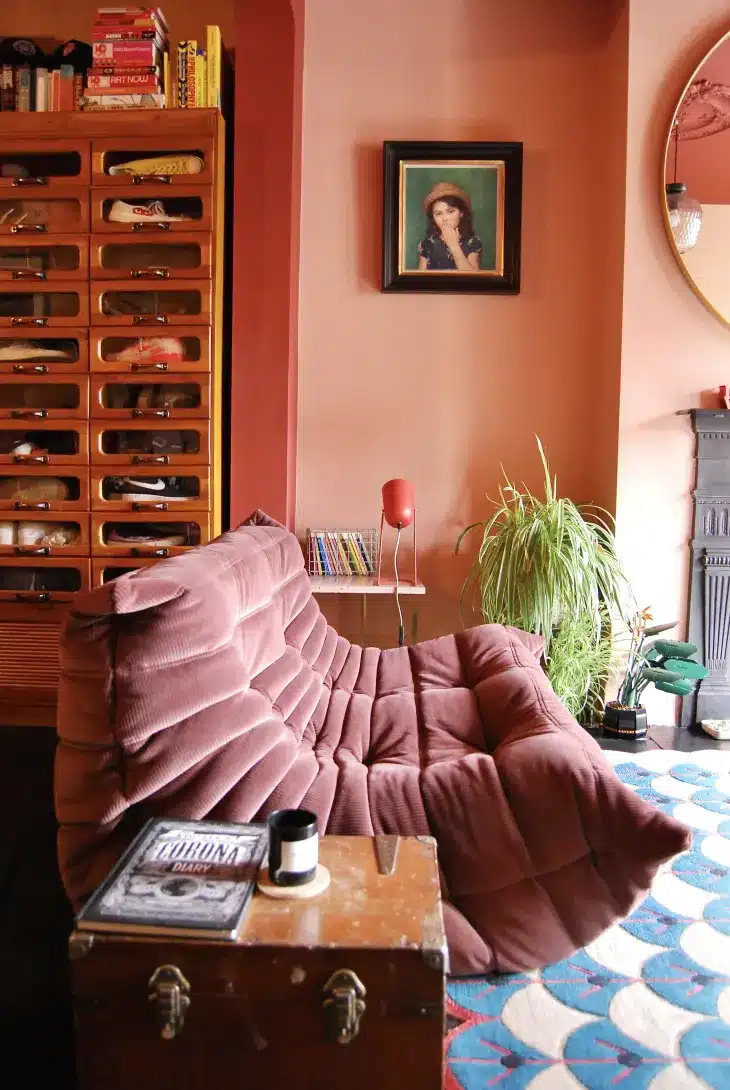
The cliché “tidy desk, tidy mind” may seem like a CEO mindset, but having a tidy workspace or home can really make you feel more relaxed, and while open storage is great for knowing what you have and where everything is, seeing everything exposed can be overwhelming, especially if you are prone to overstimulation.
Touch
Incorporate Different Textures
Thoughtful integration of various textures transforms a room from a mere visual spectacle into a tactile haven. Imagine a living room adorned with a velvety sofa paired with a robustly crafted rug: the interaction of these textures is not only visually intriguing; it almost extends an invitation, creating diverse sensations. From the sleek elegance of marble countertops to the rugged charm of wooden accents, the interplay of textures sparks a sensory dialogue that resonates with those inhabiting the space.
Seating is an important part of this aspect and provides awareness of our body in space, making them profoundly calming. Additionally, the integration experienced from the sensation of “holding” helps us organize our brain in terms of attention and concentration.
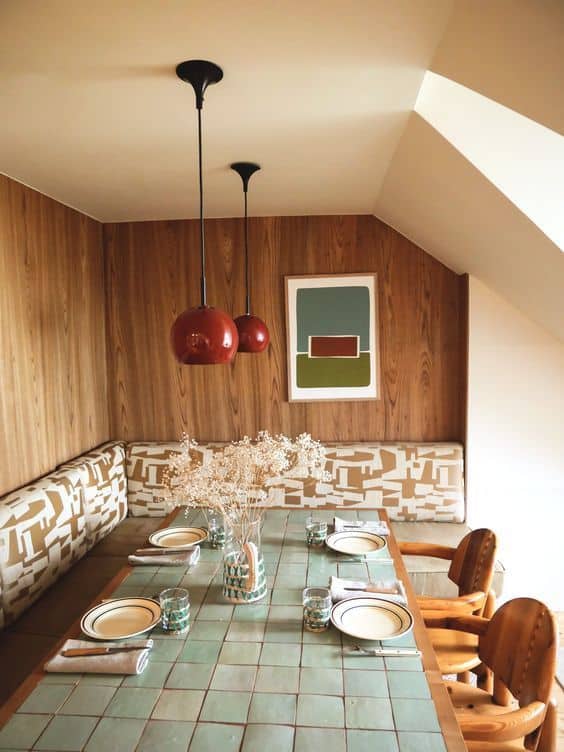
Texture and tactile inputs can also help focus and soothe anxiety. Introduce touch-friendly elements, such as cushions, rugs, and textured wall coverings: in this sense, we can talk about an evolution of interior design into a multisensory art form; each element, meticulously chosen, contributes to the emotional resonance and well-being of those who live there.
Photo credits: apartmenttherapy / pinimg