BLOG
How to Design and Furnish a Room in 7 Steps – A Small Guide
Designing a room from scratch can be intimidating for non-professionals. Keep in mind that interior design is not just a science and there are no fixed rules on how to furnish a room, but if you are looking for a starting point, this comprehensive guide will help you visualize all the necessary steps to design your space.
1. Set the Mood
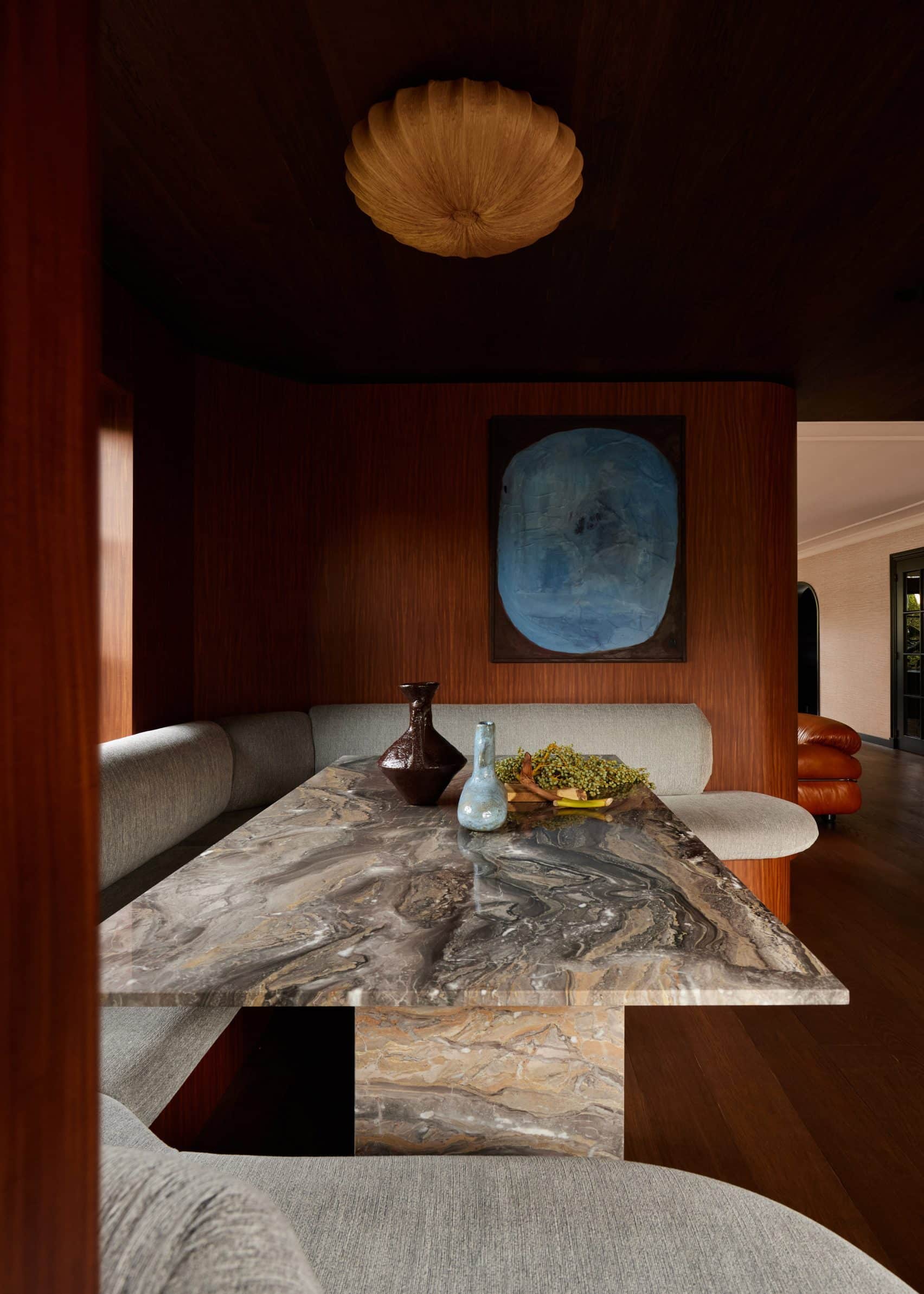
Instead of asking yourself how you want your space to look, ask yourself how you want it to feel and let that guide you towards colors, textures, and furniture choices. A bright and airy oasis might suggest minimal furniture and natural materials, while a family-friendly and informal space might include bold colors and patterns: focusing on the mood rather than a particular style or trend will help you create an eclectic space that works for you.
2. Get Inspired
Take a look at your favorite social media, interior design magazines, and books to find inspiration and if you like mood boards, create one. If you live alone, this is an opportunity to get to know yourself a little better, while if you live with others, it could be an opportunity to collaborate on a shared space.
3. Be Realistic
Instead of striving to furnish your home according to an ambitious vision of how you think your home should be, design your space for the way you live now. If you have children or pets, choose upholstery fabrics and surfaces that are durable; if you live alone and rarely have guests, there’s no need to monopolize the space with a dining table for six: before buying anything, develop a realistic budget that will help you prioritize spending along the way.
4. Eliminate the Unnecessary
If you are renovating, start by eliminating everything you don’t use and don’t need. When you have an empty room to fill from scratch, think before bringing anything in: there’s room for personal items but designing a room starts by embracing the essentials and building from there.
5. Decide on a Color Palette
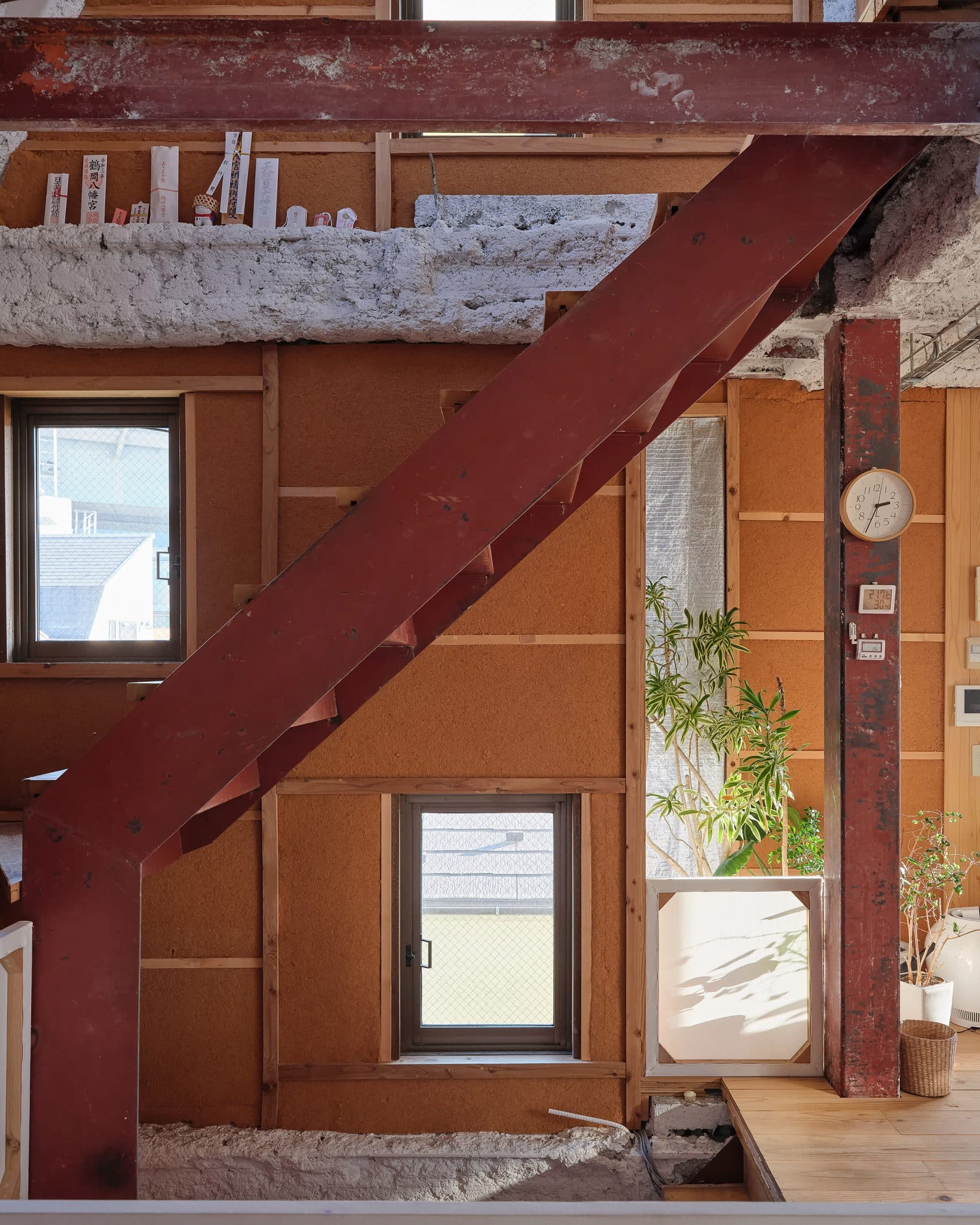
Whether you want to keep the look neutral or have a striking color palette in mind, deciding in advance will help you create a cohesive look. Neutral rooms can be brightened with accessories that you can easily change over time; if you’ve decided you want your room to be an ode to green, pink, or blue, choose three complementary shades to keep it interesting.
6. Choose the Key Pieces
When designing, for example, a living room, focus on your centerpiece, which is usually a sofa, before worrying about the cushions; making the larger and more expensive purchases first will help you not skimp on quality, maintain a realistic sense of your budget, and visualize how much space you have for other furniture once the main pieces are in place.
7. Select the Supporting Furniture
Once you’ve chosen the perfect sofa, start looking at coffee tables to determine which sizes and styles are suitable and if an oversized ottoman would be more appropriate. If you’ve chosen a rustic wooden table in the dining room, add contrast with contemporary metal chairs.
Photo credits: dezeen /