BLOG
Houses that age well: materials, colors, and design choices that withstand time
Not all houses need to impress at first glance: some work more subtly; this is the common thread of many current trends in interior design, often seen as “quiet” or even conservative, but in reality deeply reactive.
In a landscape saturated with visual stimuli, contemporary living seems to shift towards spaces that do not demand constant attention but restore balance; as the so-called quiet luxury, the choice of a color of the year like Cloud Dancer and the growing spread of multifunctional and biographical environments all tell the same need: to design homes capable of lasting, both aesthetically and symbolically.
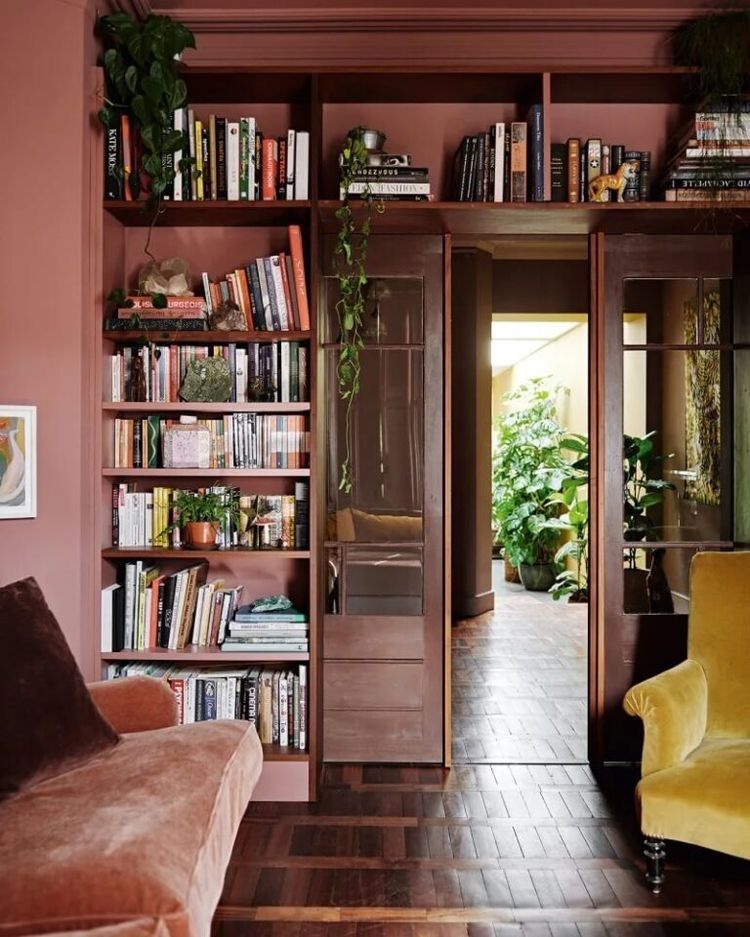
A house that ages well is not neutral, but solid in its decisions
- Materials are often the first indicator.
Natural woods not overly treated, mineral surfaces like marble and travertine, metals that accept tarnishing or slight oxidation are choices that do not aim for permanent perfection, but for controlled transformation. These are materials that improve with use, absorb light differently over time, and tell a story instead of erasing it; in this sense, the idea of luxury moves away from ostentation and approaches the quality perceived in everyday life. - Color also follows this direction.
The affirmation of complex, soft, non-dazzling whites, like Cloud Dancer, should not be seen as a return to sterile minimalism, but as a response to the chromatic overstimulation of recent years. It is not a white that nullifies, but a background that supports; it functions as a visual structure, allowing other materials, shadows, and volumes to emerge without competing. Alongside these evolved neutrals, there is still room for deep and desaturated tones: warm browns, dusty greens, grays with a mineral undertone. Colors that maintain consistency in different lighting conditions and seasons. - Another key element of homes that withstand time is the configuration of spaces.
Functional rigidity gives way to more fluid design, where rooms are not defined once and for all. There is growing interest in hybrid environments: kitchens that become workspaces, living rooms that accommodate moments of concentration, hallways that stop being passageways and acquire a narrative function; this trend towards personalized multi-spaces is not only practical but deeply biographical.
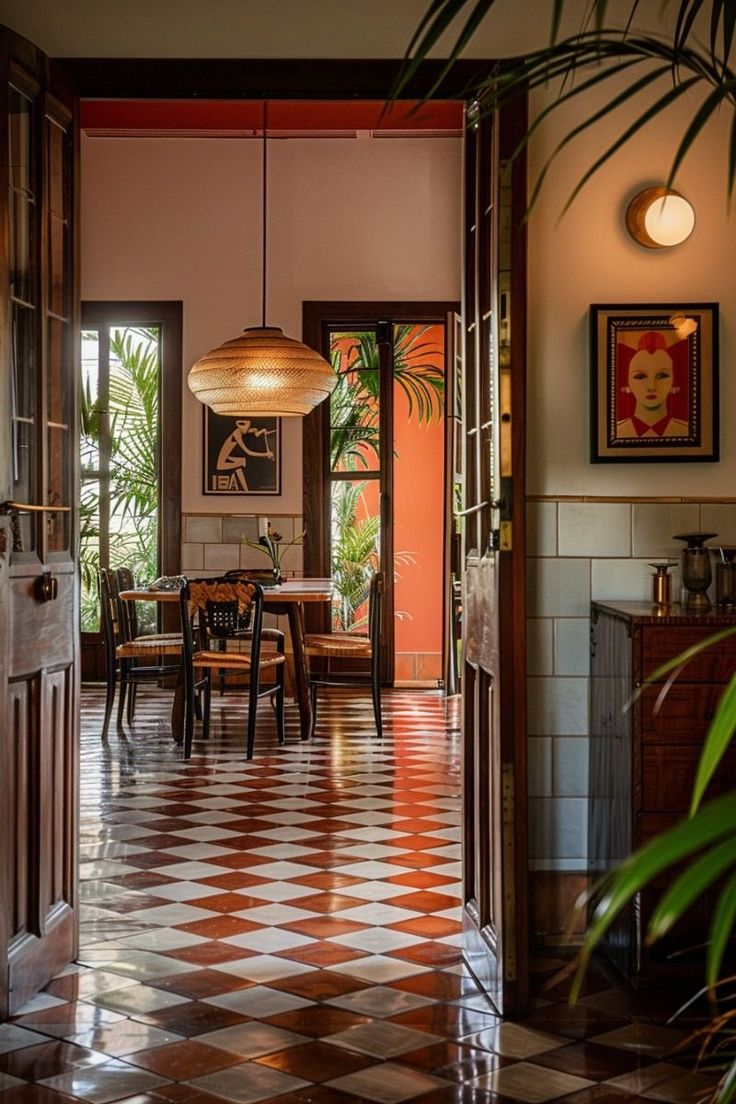
In this context, furniture loses its role as a seasonal protagonist and assumes that of infrastructure; fewer pieces, chosen with greater attention to proportions, construction quality, and the ability to dialogue with the rest of the space; tables and sinks and surfaces that show signs of use, bookshelves that fill irregularly. It is not about giving up style, but accepting that the identity of a house is built through layering, not continuous replacement.
Light, finally, is the true glue of these choices. No longer a single central point, but a composition of different sources, distributed and calibrated; light indeed accompanies materials well, emphasizing textures, making even the less inviting corners habitable: it is a design tool that contributes to that sense of calm and continuity that many people today seek in interiors.
Designing a house that ages well ultimately means accepting a certain idea of imperfection. Not everything needs to be resolved immediately, not every choice must be final; it is an approach that favors consistency over novelty, depth over visual performance.
Photo credits: Pinterest