BLOG
Exploring Space Age Design. A Return to the Future of Furnishing
Space Age design emerged in the 1950s and 1960s, during a period of rapid technological advancements and scientific innovations. Characterized by a bold and futuristic nature, this design style captured the imagination of many and left an indelible mark on the world of furniture and beyond: let’s explore the key features of the Space Age, its contemporary influence, and some iconic pieces that fully represent its essence.

Key Features of Space Age Design
This furniture is recognizable for several distinctive features that make it unique:
- Streamlined and sleek shapes: Inspired by spacecraft and futuristic visions, Space Age lines are elegant and sinuous, reflecting a sense of movement and modernity.
- Metallic and reflective materials: To evoke the sense of cosmic exploration, materials like metal and reflective surfaces are used, reminiscent of spaceships and the infinity of space.
- Innovative use of new materials and technologies: Plastic and fiberglass are widely used here, allowing for shapes and structures that were previously unthinkable.
- Functionality and efficiency: Despite its futuristic appearance, Space Age design places great emphasis on practicality and efficiency, combining aesthetics and utility.
- Visionary and avant-garde aesthetics: Looking forward to the future, this style reflects the promise and potential of the cosmos, inviting dreams of new and unexplored worlds.
In the contemporary landscape, Space Age design continues to influence creators and designers, stimulating imagination and transporting people to imaginary worlds and possible futures.
The Impact of Space Age Design in the Art World
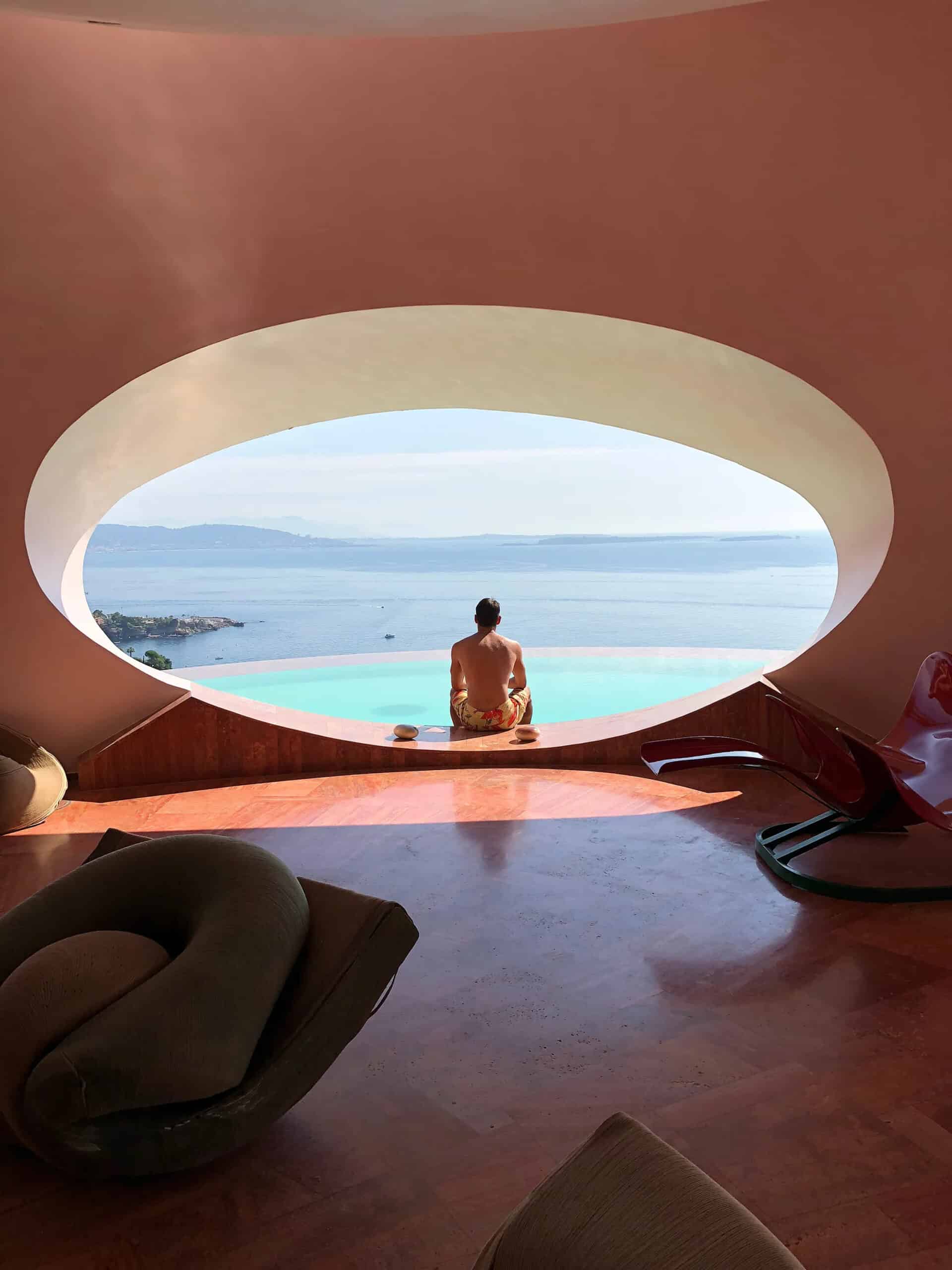
The bold presence of Space Age design challenged conventional perceptions of aesthetics, pushing boundaries and redefining creative possibilities. Its ability to evoke a sense of wonder and transport people to futuristic realms has fascinated enthusiasts and critics, sparking significant discussions about the role of technology and innovation in our environment, inviting a bold and forward-thinking approach that celebrates the cosmos.
Born during a period of great change and post-war progress where plastic became an increasingly popular material thanks to mass production, the space age was also a time of extraordinary innovation in fields like material science, with many technologies finding everyday applications. This period found its ideal environment in design, from fashion to architecture: the term was formally coined in 1964 when Pierre Cardin launched his “Space Age” line, soon followed by André Courrèges and Paco Rabanne, with iconic designs like gogo boots.
Here are some iconic Space Age furniture pieces
- Ball Chair – Eero Aarnio: Designed in 1963, it represents the essence of Space Age design with its unorthodox shape and innovative production methods. Built in fiberglass and steel, it envelops you in an isolated space, offering both physical and emotional comfort.
- Panton Chair – Verner Panton: Made entirely of plastic, designed in 1959, it is an example of how the Space Age exploits the unique characteristics of new materials, with overlapping curves creating a dynamic and anthropomorphic shape.
- Eclisse Lamp – Vico Magistretti: Created in 1965, this lamp combines avant-garde design and functionality, allowing the Eclisse to adjust light intensity by rotating the inner shade, providing both direct and diffused lighting.
Space Age design, consisting of glossy plastics and extravagant silhouettes, perfectly reflected a lifestyle ready for change, advancing bold visions without boundaries, which can still find a place in our homes and those of the future.
Photo credits: www.2nd-home.io /pinimg.com / vogue