BLOG
Does the Open Space Still Work? The Return of Rooms for Domestic Living
For years, open space has dominated the domestic imagination: large open areas, without barriers, flooded with natural light and seemingly perfect for a modern, dynamic, and shared life. Kitchen, living room, and dining area merged into a single continuous surface, suggesting an ideal of transparency, conviviality, and fluidity, but today something seems to be cracking in this vision. More and more people are questioning the real effectiveness of these open spaces, indicating a growing dissatisfaction with an arrangement that, in its promise of freedom, often hides a lack of balance, privacy, and identity.
The Limitations of Open Space
The pandemic acted as a catalyst, but the discomfort was already latent. Confined within the same four walls for days, weeks, months, we rediscovered the importance of separation, of boundaries, of the ability to close a door. The open space, designed for social interaction, turned out to be a trap for concentration, an acoustic nightmare, a container where functions mix until they are lost. Consider: cooking, working, relaxing, studying, entertaining guests… all in the same place while life itself is not an indistinct flow – it is made of pauses, transitions, changes of rhythm. And space should accommodate them, not erase them.
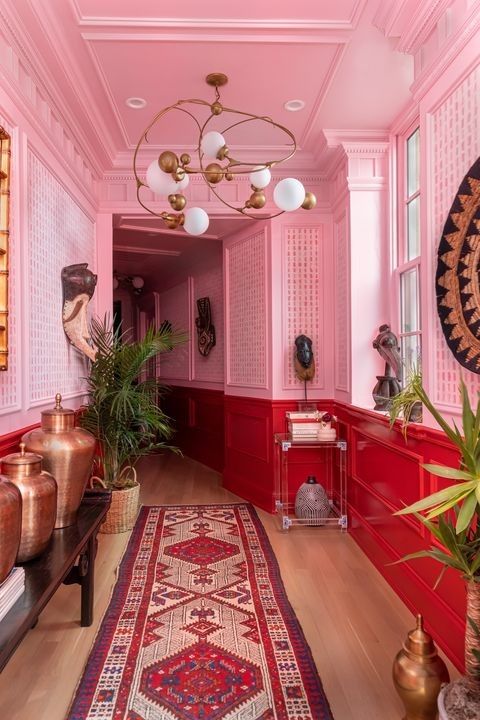
The criticism of open space is a symptom of a broader reflection on our relationship with domestic space: total openness, which originally aimed to be an expression of modernity and lightness, ended up pushing towards a standardization of homes, where versatility was confused with the loss of character. Open spaces often seem devoid of specific identity, as if everything were just “living area,” undefined and perpetually exposed. But every activity needs its rhythm, its atmosphere, its sensory conditions.
The kitchen with its smell, the bedroom with its silence, the living room with the dim light of an afternoon reading. In the open space, everything is together, but nothing is whole.
Then there is the issue of subjectivity.
The open space works for those with a highly shared lifestyle, for those who live lightly and love informality. But not everyone is like that, and the home is not just a place of relationship: it is also a refuge, introspection, intimacy. In a completely open space, the ability to modulate the presence of others, to choose whether to be visible or not, whether to share or not, is lost, and this can profoundly affect psychological well-being over time.
Even from the perspective of visual order and daily care, the open space presents vulnerabilities. In the absence of physical barriers, every detail is exposed to view, and disorder in the kitchen reflects on the living room, a pile of papers on the work table invades the dining area. This increases the aesthetic pressure on the home, which must always appear “presentable,” but also the mental effort of managing an environment that offers no respite or protection.
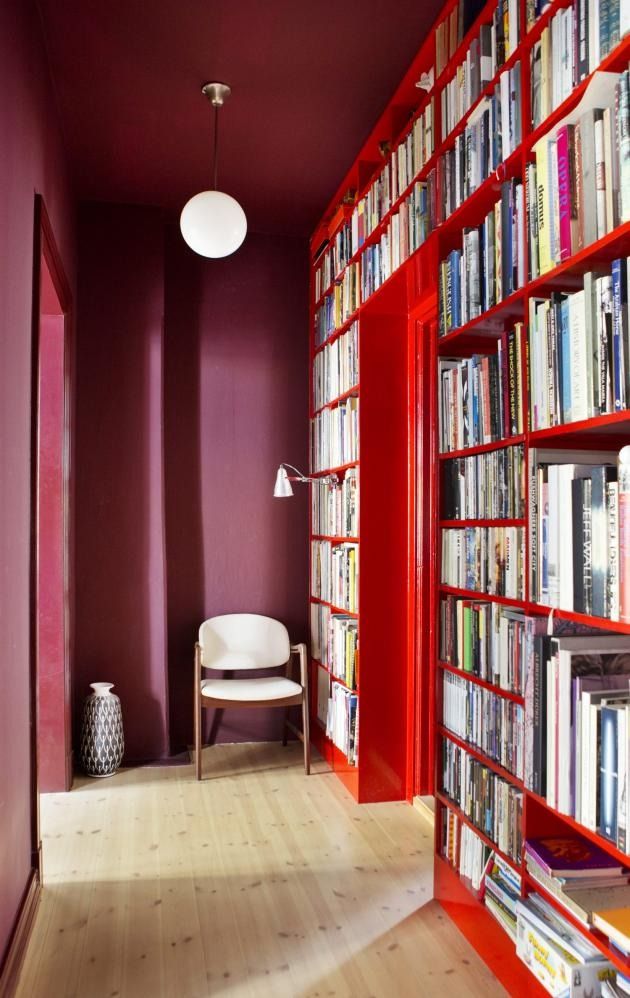
So what to do? It is not about completely rejecting open space, but about overcoming its singularity.
We are therefore moving towards increasingly flexible solutions, combining openness and closure, providing transformable spaces, but also intimate niches and reflective areas. Architecture must return to telling the complexity of living, not its extreme simplification, so yes to:
- multifunctional but contained spaces;
- light and reversible dividers (such as sliding walls, pass-through bookshelves, thick curtains);
- attention to acoustics and lighting as tools to define atmospheres;
- respect for the need for “absences” within domestic presence.
The post-open space home is not a nostalgic return to the past, but an advance towards where everything finds its place – and every person too.