BLOG
Designing a home for a multigenerational family
Nowadays, owning a property when you’re young is really difficult. For several years now, we’ve been hearing about a generation returning to live with their parents to save money, and this is just one of the reasons why we are witnessing an increase in multigenerational living.
The pandemic has played a role, as many families have reunited, and now many express the need for spaces that can serve multiple functions for extended family members, each with their own needs.
In this article, we will touch on some of the reasons why multigenerational homes are becoming increasingly popular and provide you with tips for designing your home for multigenerational living.
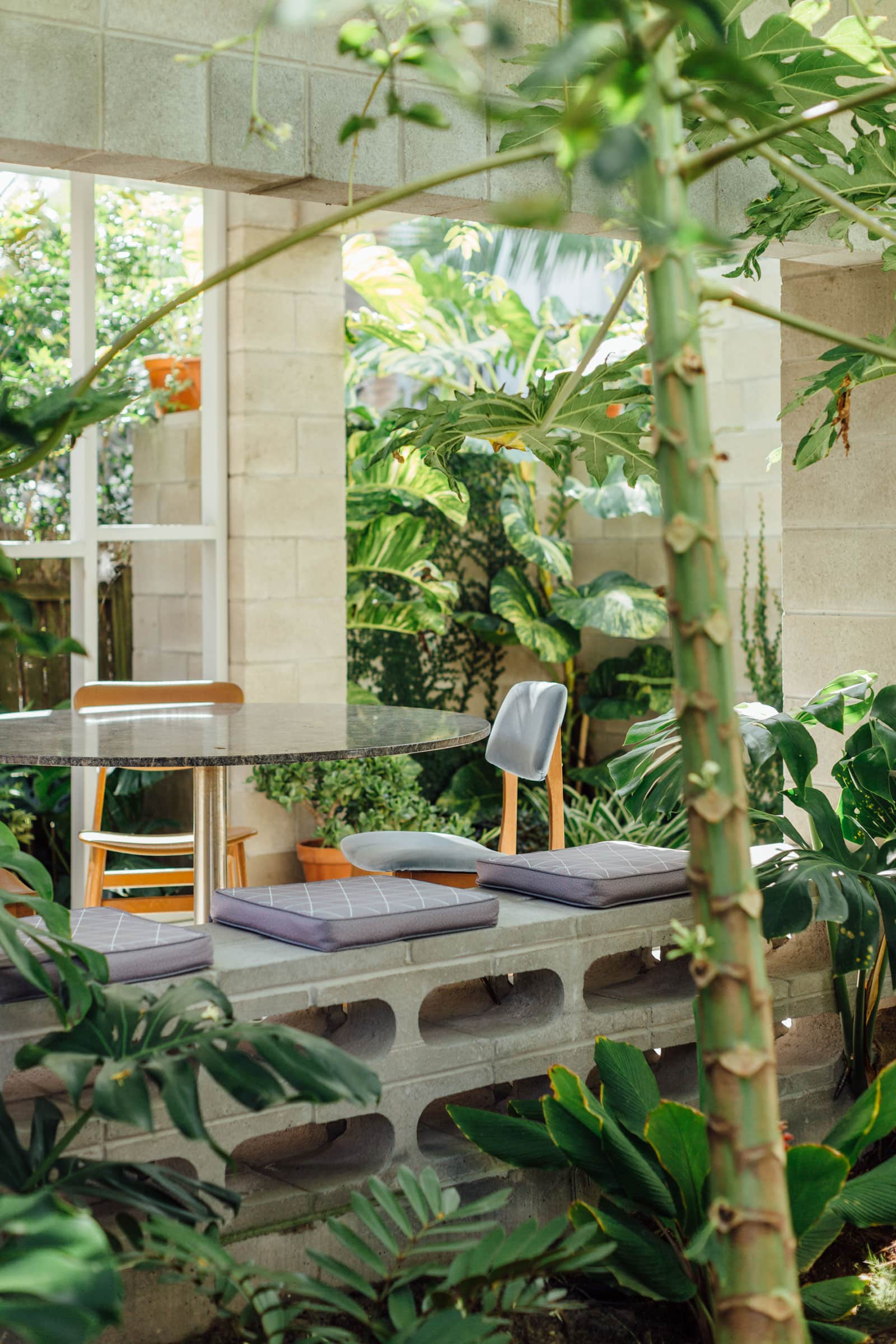
The Right Design for Multigenerational Homes
We know that suggesting the best designs doesn’t automatically mean your life will be easy. Good communication, understanding the benefits and trade-offs, and mutual respect for boundaries are all part of the functioning of the family mechanism in general, and here in particular.
However, the right design for a multigenerational home can help achieve the right balance between privacy and domestic harmony.
Creating Spaces for Different Needs
The real challenge is not just the number of people living in a family, but how different their habits are. To maintain peace, you need to think about distinct spaces for each member – allowing for some privacy. There should be reception rooms for each unit, designed to host friends of different age groups without disturbing the rest of the family, and rooms for reading or games.
Choosing the Location of Rooms
The bedrooms of different family units should ideally be as far apart as possible, containing private bathrooms, a wardrobe or a dressing area.
This is something to keep in mind: all these spaces do not necessarily have to be under the same roof. If you have a large enough garden, an entire annex or a studio could find a place there.
Structuring Shared Spaces
However, the beauty of multigenerational living is not just in living separate lives, but also in how you can come together: it’s about finding a balance between private and shared spaces.
Introducing elements like sliding doors, for example, are particularly useful. These can divide but also connect various rooms in the house, so that the interiors can grow with different generations.
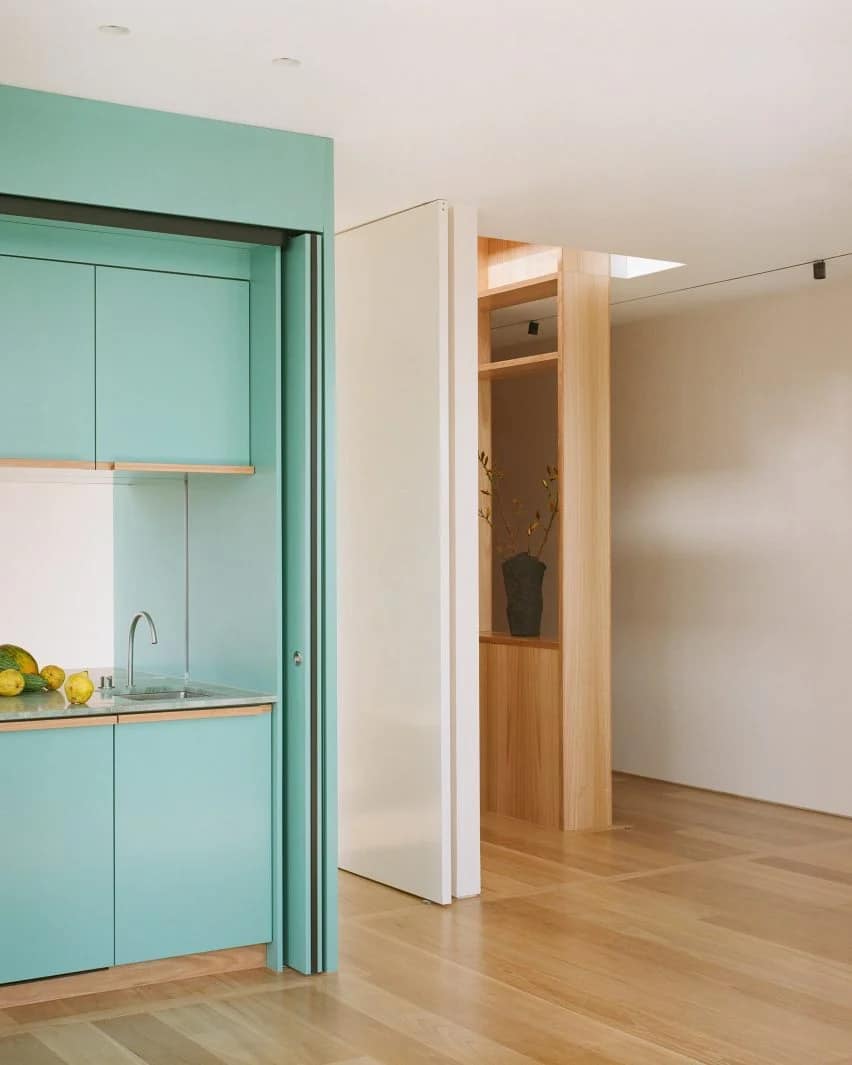
In multifamily contexts, rules on the use of shared spaces are generally essential for a stress-free life; when to run the dishwasher, who does the shopping, who cleans and when, everything must find its own order.
Keep Corridors and Entrances in Mind
While designing a living room and kitchen might be your biggest concern for a multigenerational home, you shouldn’t ignore smaller and transitional spaces. Adapting them to a home intended for a large family will give your space a sense of comfort.
An extra-wide staircase in a home with a loft can add a flow, ensuring there are no bottlenecks for different generations that may live in the same house.
If possible, consider multiple entrances as well. One of the simplest ways to ensure privacy for everyone is to provide multiple entrances; with people leading different lives and living under the same roof, it’s likely that everyone will live at different times.
Photo credits: thelocalproject / thedesignfiles.net / dezeen