BLOG
Achieving Simplicity. Interview with Architect Alessandro Pardini
Alessandro Pardini, born in 1974, originally from Viareggio, is an architect working in Tuscany who bases his architecture on essential elements such as space, proportions, light, and materials. Trained at the University of Florence, he began his career assisting architect Simone Micheli in the Interior Design course from 2005 to 2010.
 What is your creative approach to a new project?
The concept phase lasts only a few moments, it is a very instinctive, almost mystical thing. I need to visit the site, see the place, study it, observe the light, perceive the energies it emanates, and then, like two slides dissolving one after the other, I see reality blur and the finished project appear. It is a sort of design trance. Only afterwards does the actual design phase occur, on the computer: a meticulous phase that takes a lot of time and is used to study paths, spaces, dimensions, lighting, and numerous construction details that mostly remain hidden and unnoticed by anyone.
Does your minimalist philosophy derive from your culture and education or is it a personal attitude?
It has now become a way of thinking, a constant search to eliminate excess, the superfluous, the unnecessary in every aspect of life.
The trigger for everything was meeting along my university career path a Master like Prof. Remo Buti with whom I later graduated. The theme of his exam in my year was: “Design an empty room”. From there, my approach to architecture completely changed. I realized that one could design by subtraction rather than by adding elements. Over the years, my passion led me to study simple architectures, those that can be defined as “architecture without architects”: the Romanesque churches, the houses and barns of Tuscan farmers, the dwellings overlooking the Mediterranean like the farmhouses, the Sicilian Dammusi, the Aeolian houses, the Spanish Fincas. All architectures where any form of decoration is banned, where there is nothing more than what is necessary; the geometries are dictated by the functions, the materials by the place where they are located, the openings and wall masses by the exposures and winds.
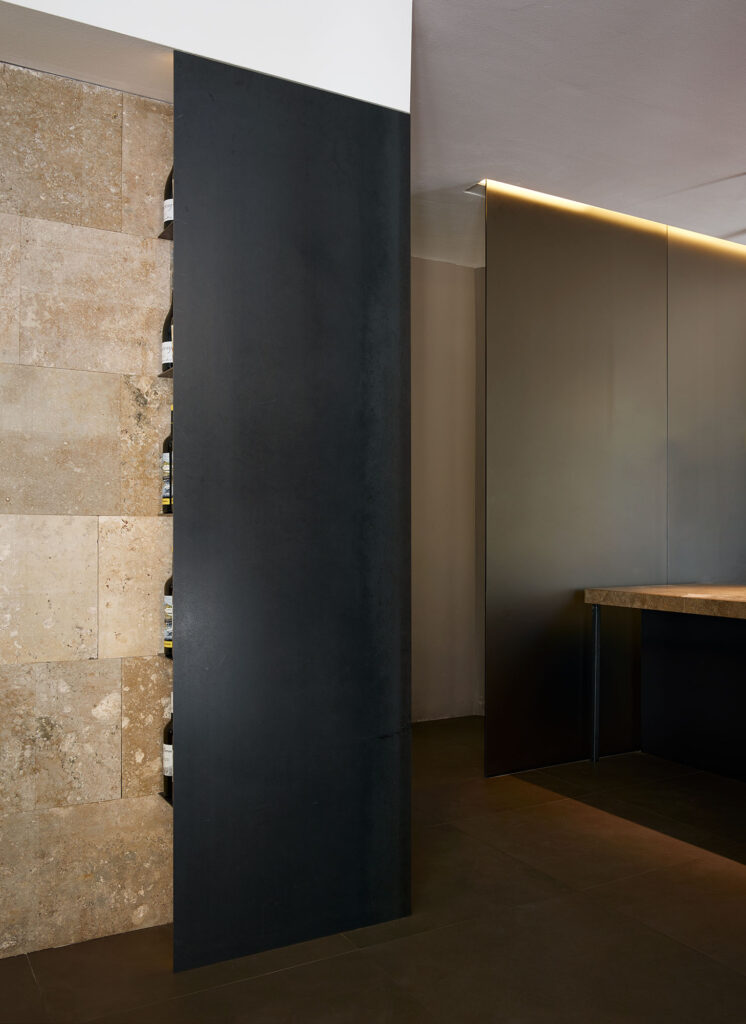
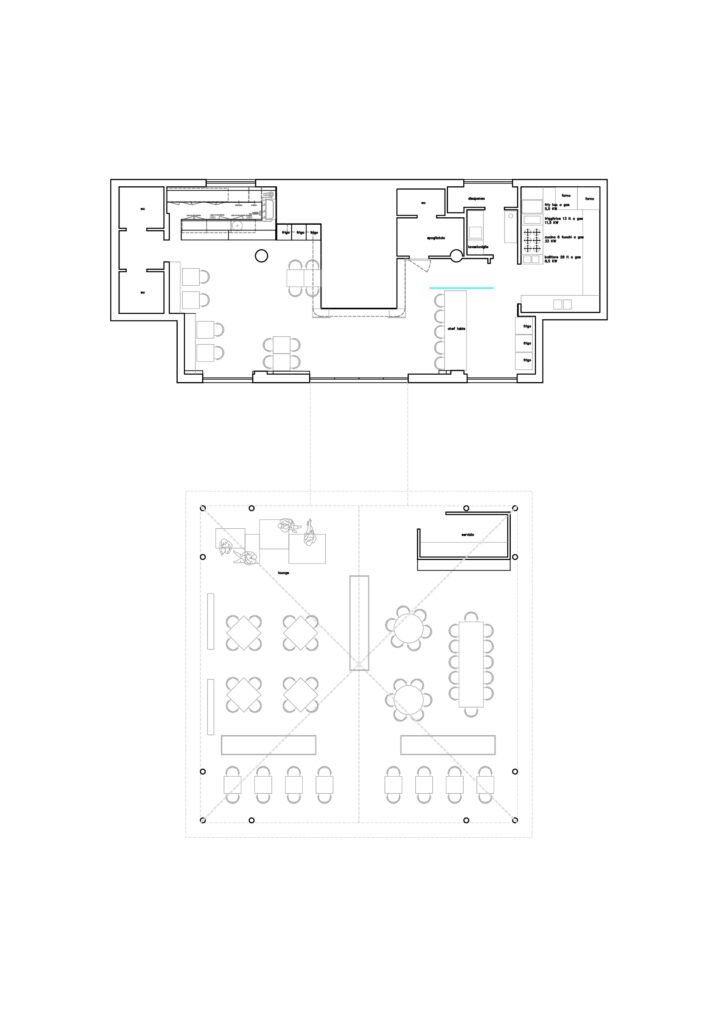
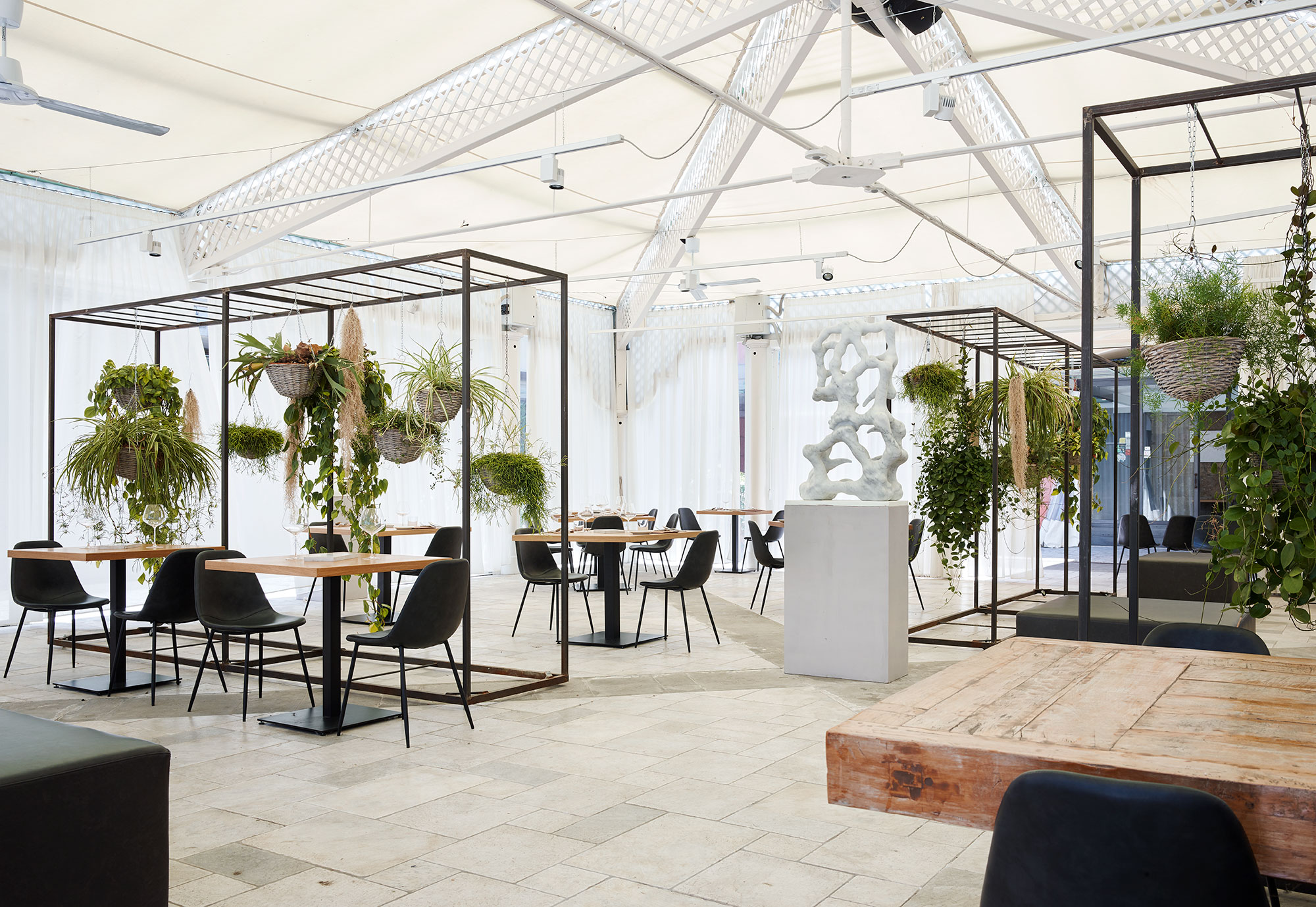
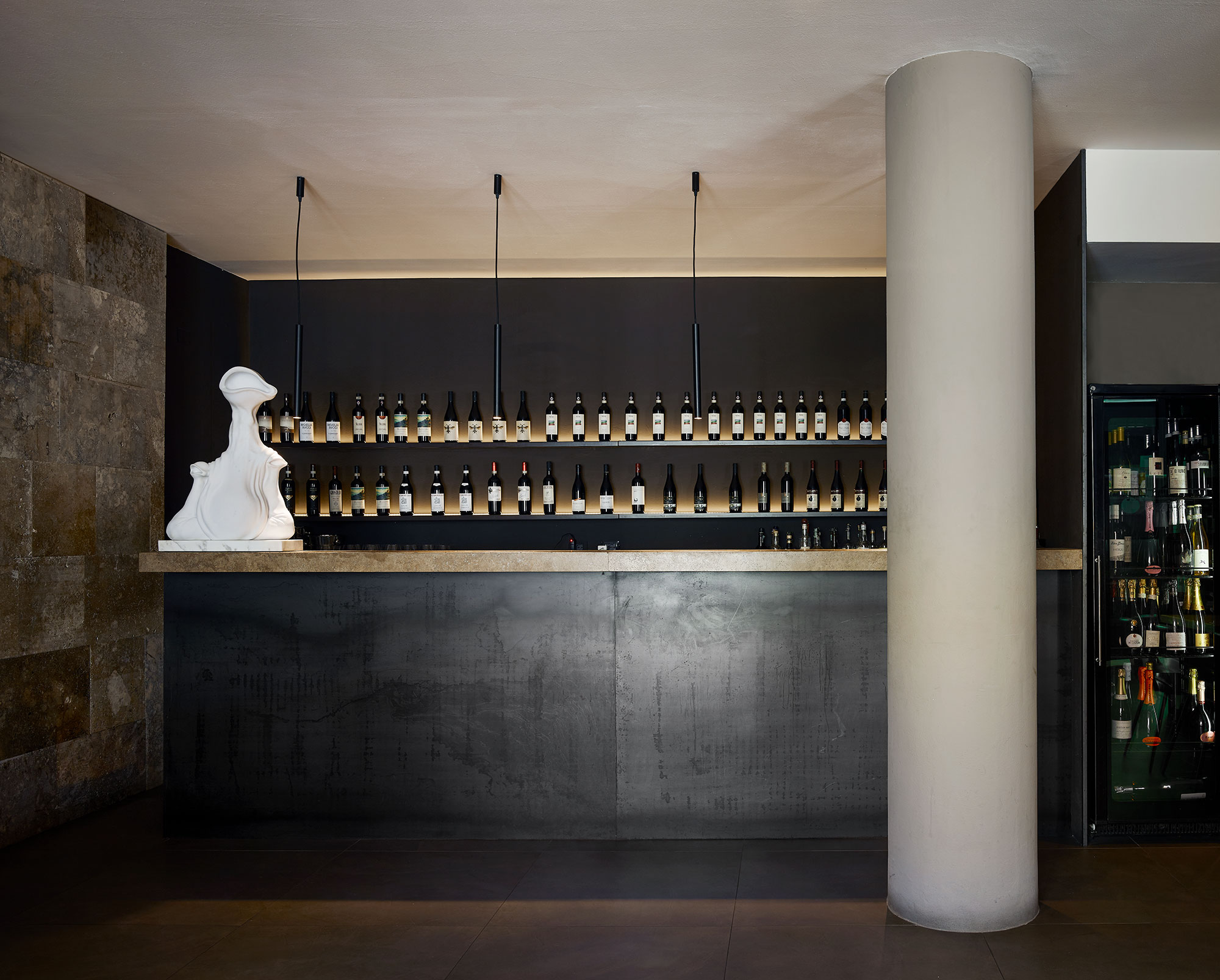
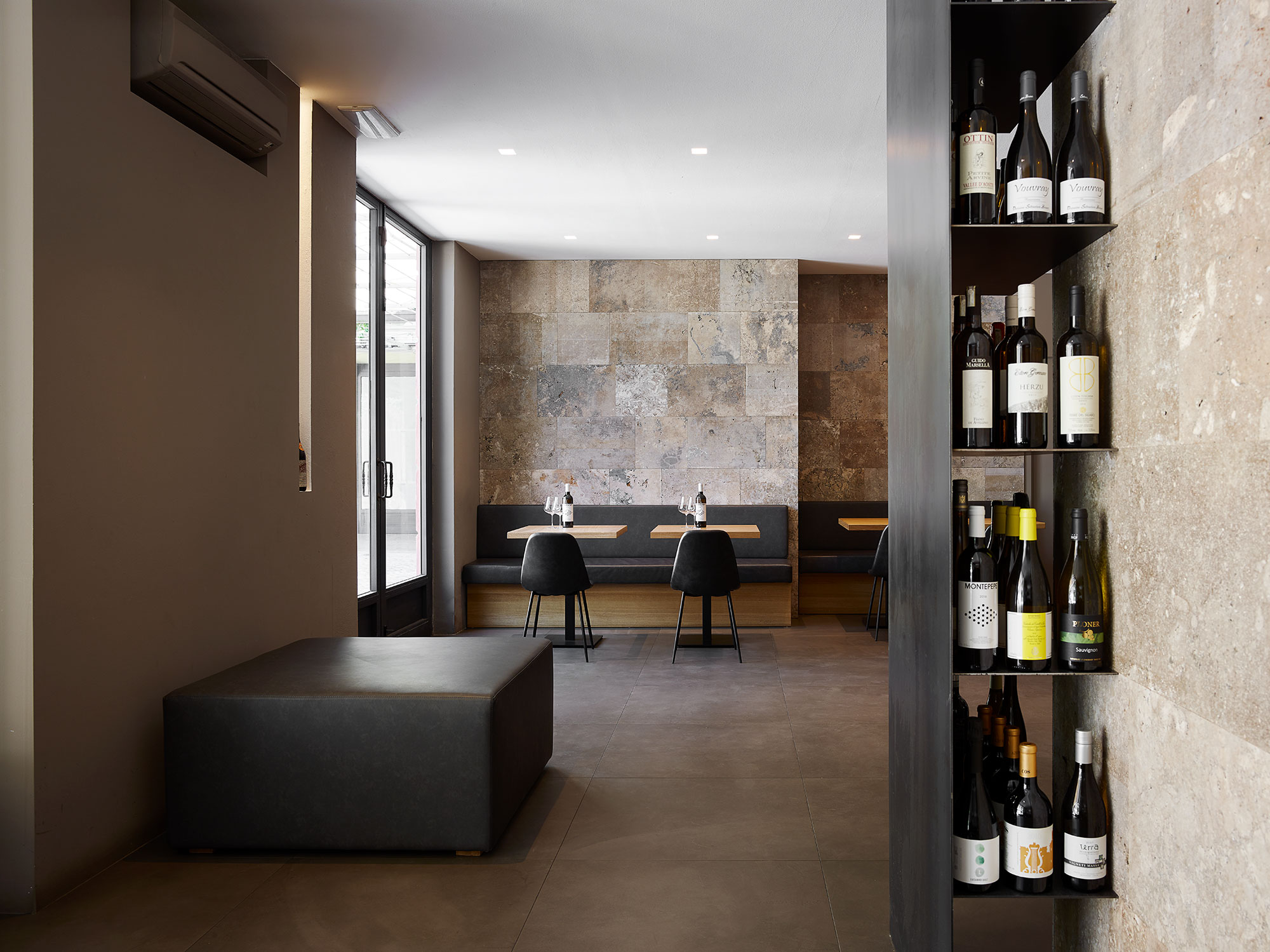
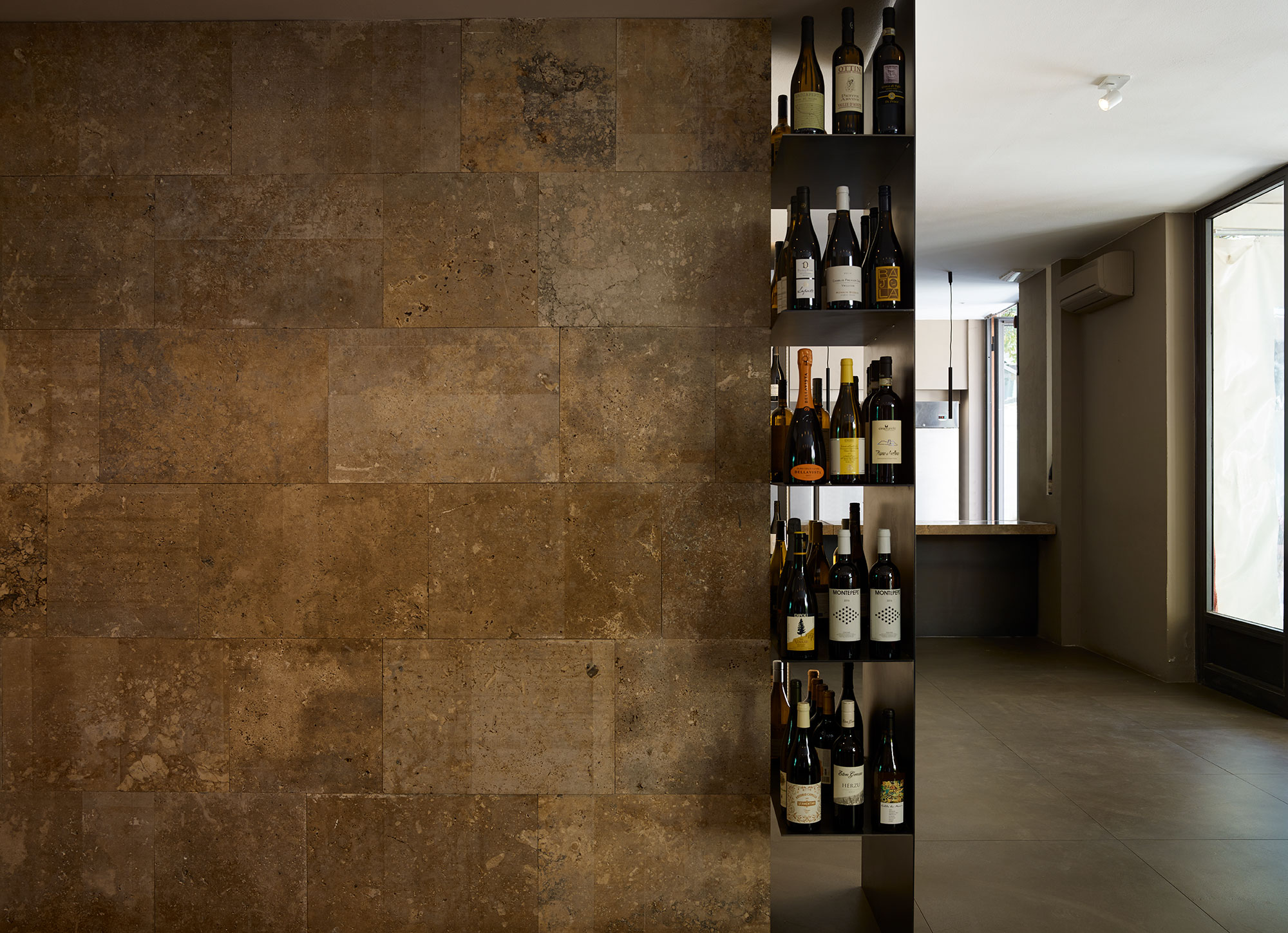
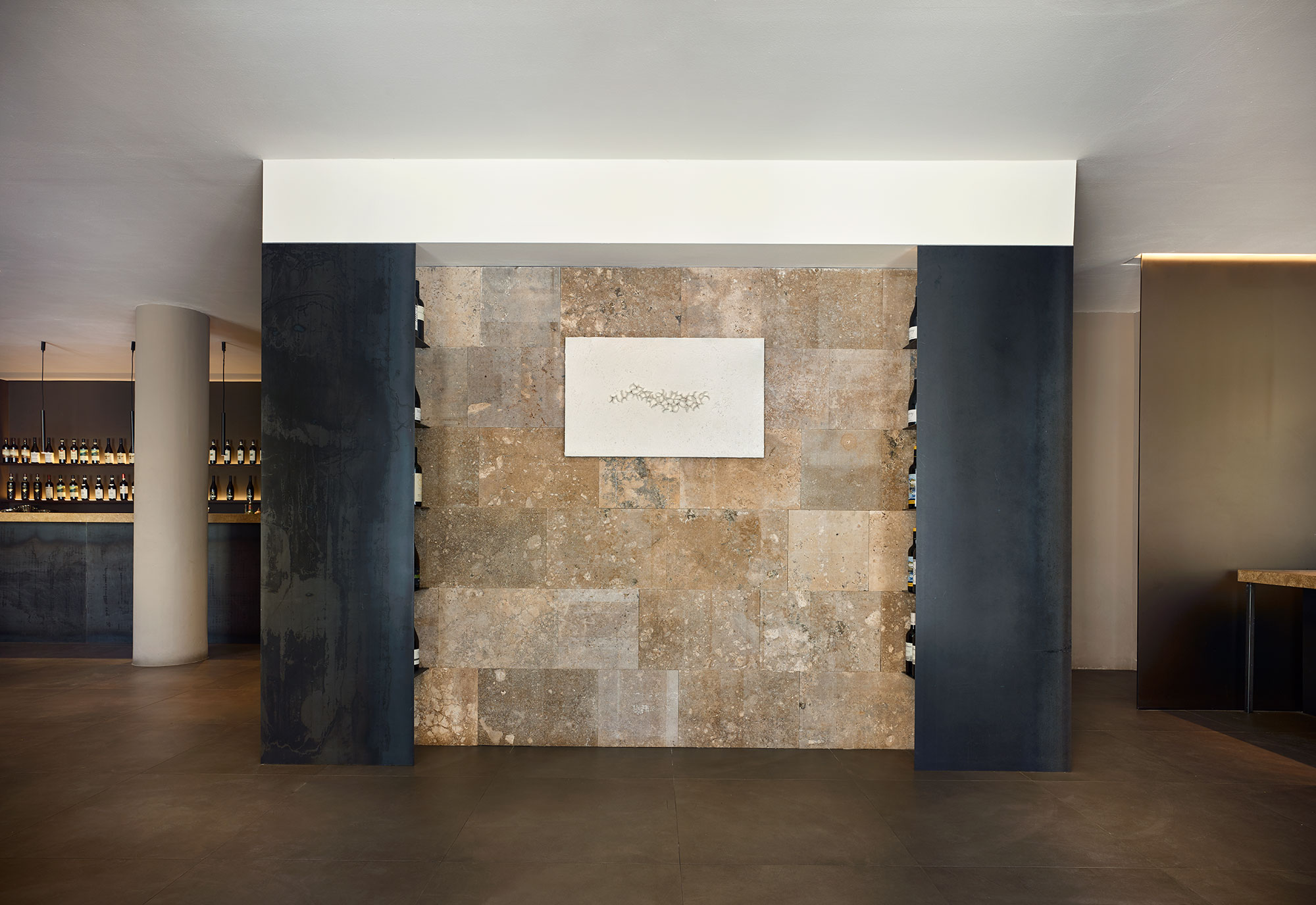
FUBI’S Restaurant – Pietrasanta (Lu) _ Entrance wall in PDR008 – DARK VEINED
The use of natural materials is common to all your projects, why are they your favorites?
First of all, precisely because they are natural! Fortunately, they do not need prefix labels like “bio”, “eco”, etc. They do not pollute and can be recycled in many ways. Natural materials have a soul, they are alive. Unlike artificial ones, they have depth and therefore give depth. They are malleable and easier to manage, they can be cut at any point, their section is almost more beautiful than the surface. They are eternal.
What do you think is the value proposition of stone?
Stone is by far the construction material I prefer, generally I prefer it in its raw state or at least not polished. Stone breathes and transpires. Stone ages beautifully, or perhaps it would be better to say: “it does not age”. Stone is timeless! It is beyond fashion. Stone can be re-polished infinitely and thus return to being like new whenever desired. Touching stone means coming into contact with a surface that is a few million years old, it means absorbing its energies. A worn and consumed stone is always a beautiful stone! It also has advantages from an economic point of view: if, for example, considered in the context of cladding (floor or wall), it often costs less than other materials.
Are you currently working on a new project?
I have just started the renovation of a 19th-century villa on the hills of Versilia. A magical place nestled between the plain and the Apuan Alps overlooking a private lake.
In which field would you like to engage in the future?
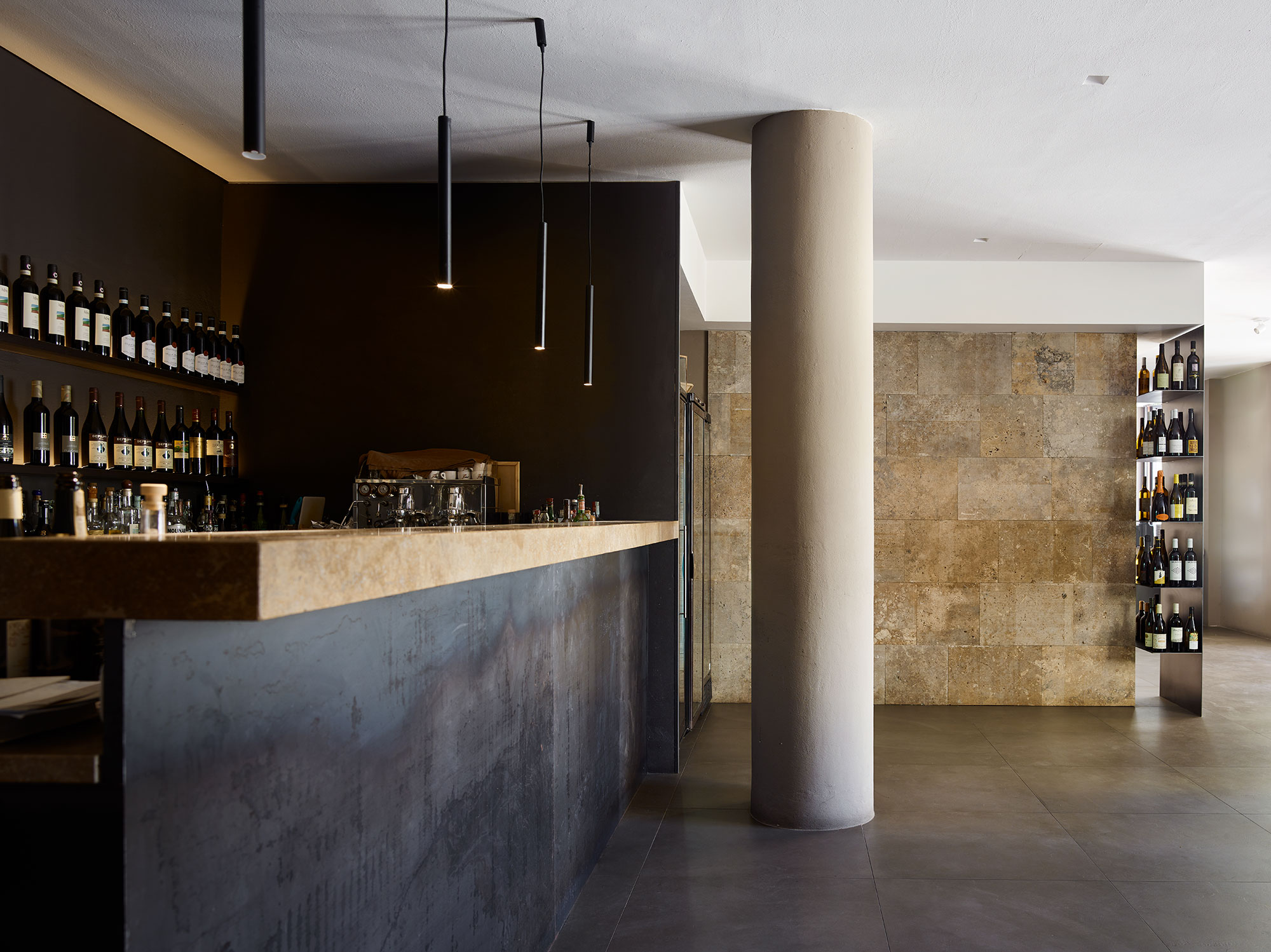
Many of my colleagues would answer “a skyscraper in Dubai or New York”, but instinctively I would say a place of worship, yet there is a theme that has always fascinated me and it is the theme of the store. I believe that, contrary to what the Internet proposes (or imposes) on us, the future will not be only online sales, but rather, the sale of a product will always need a physical place where it can be displayed, presented, and sold. My dream has always been to design a store for…fruits and vegetables!
Projects by: Alessandro Pardini architect |
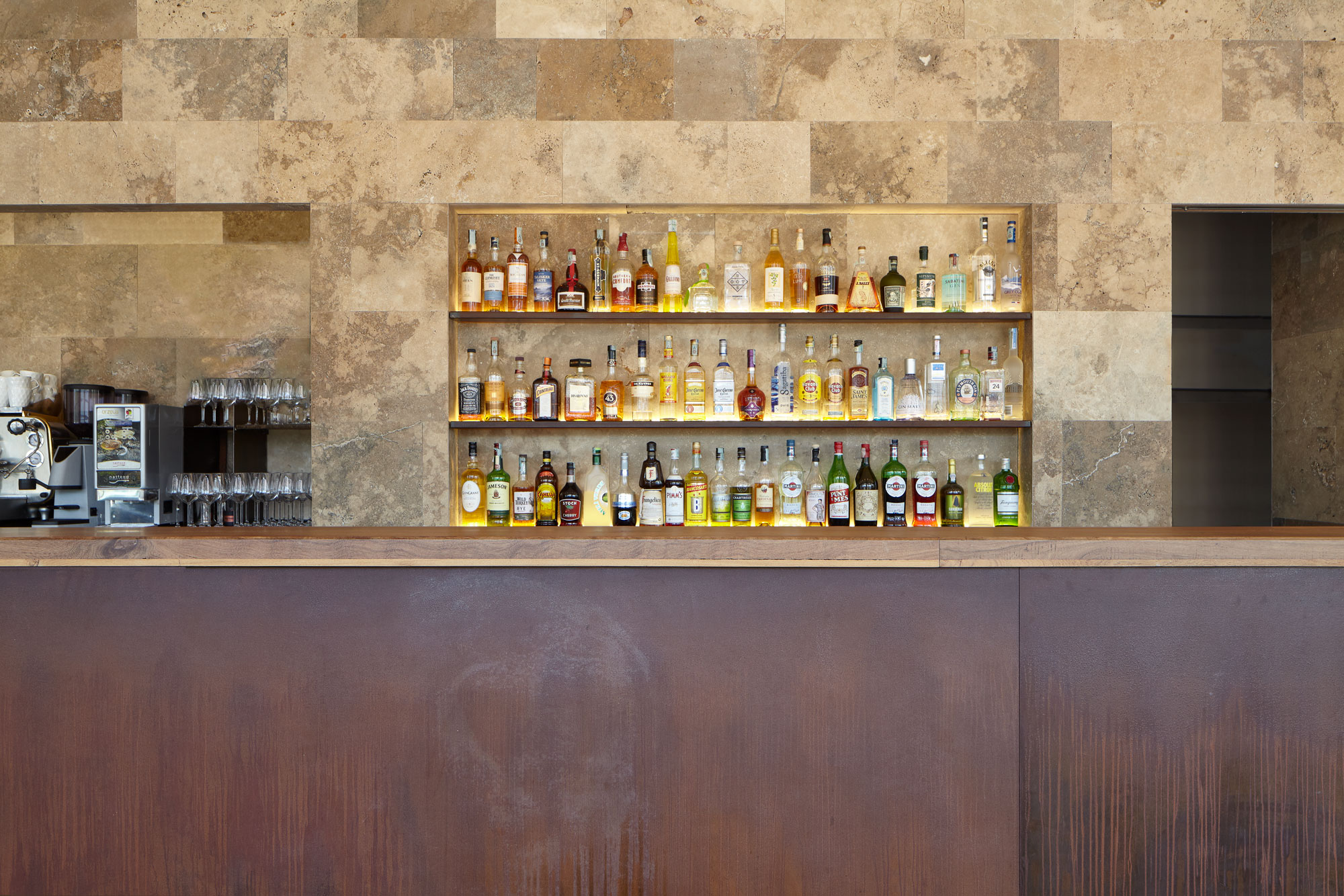
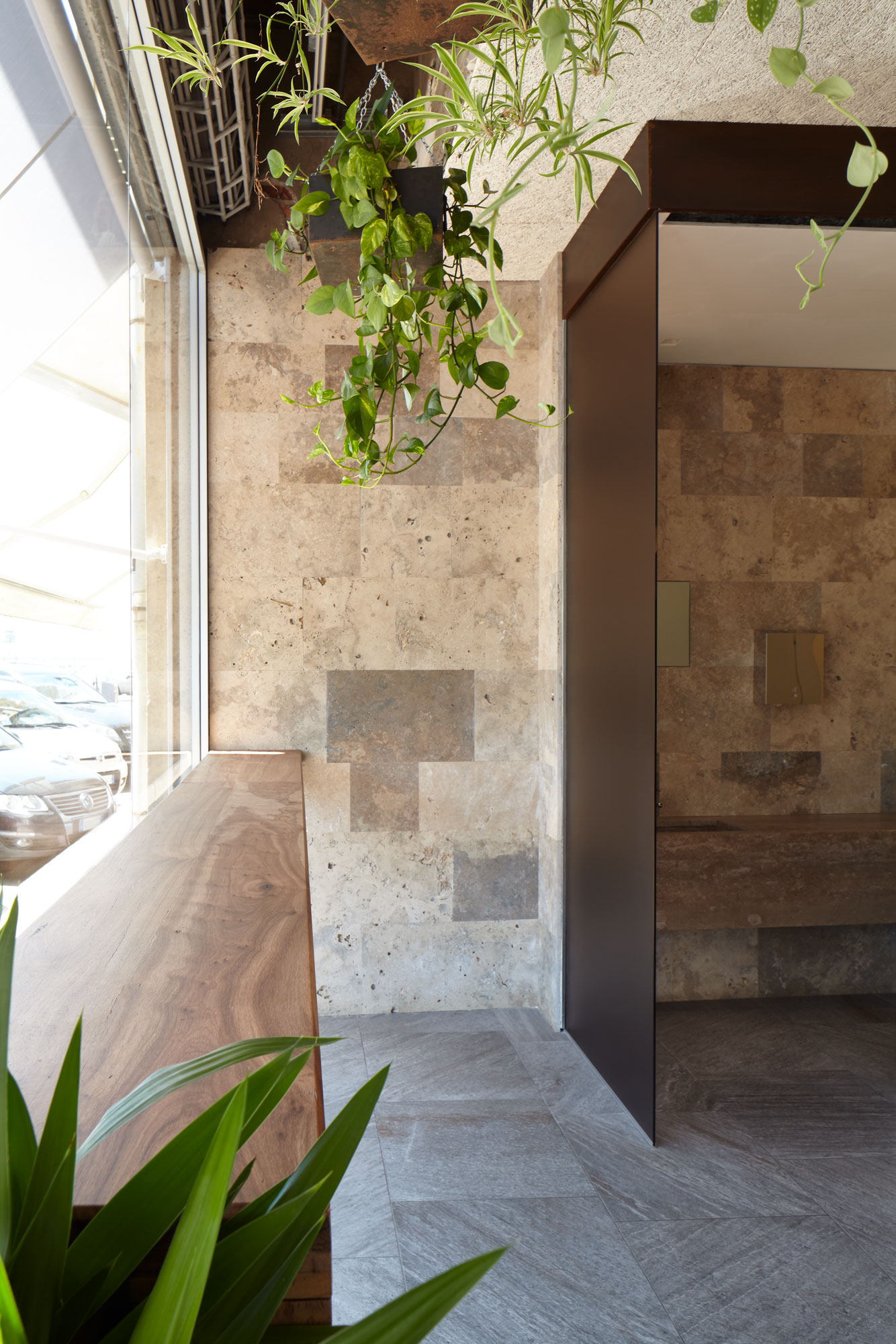
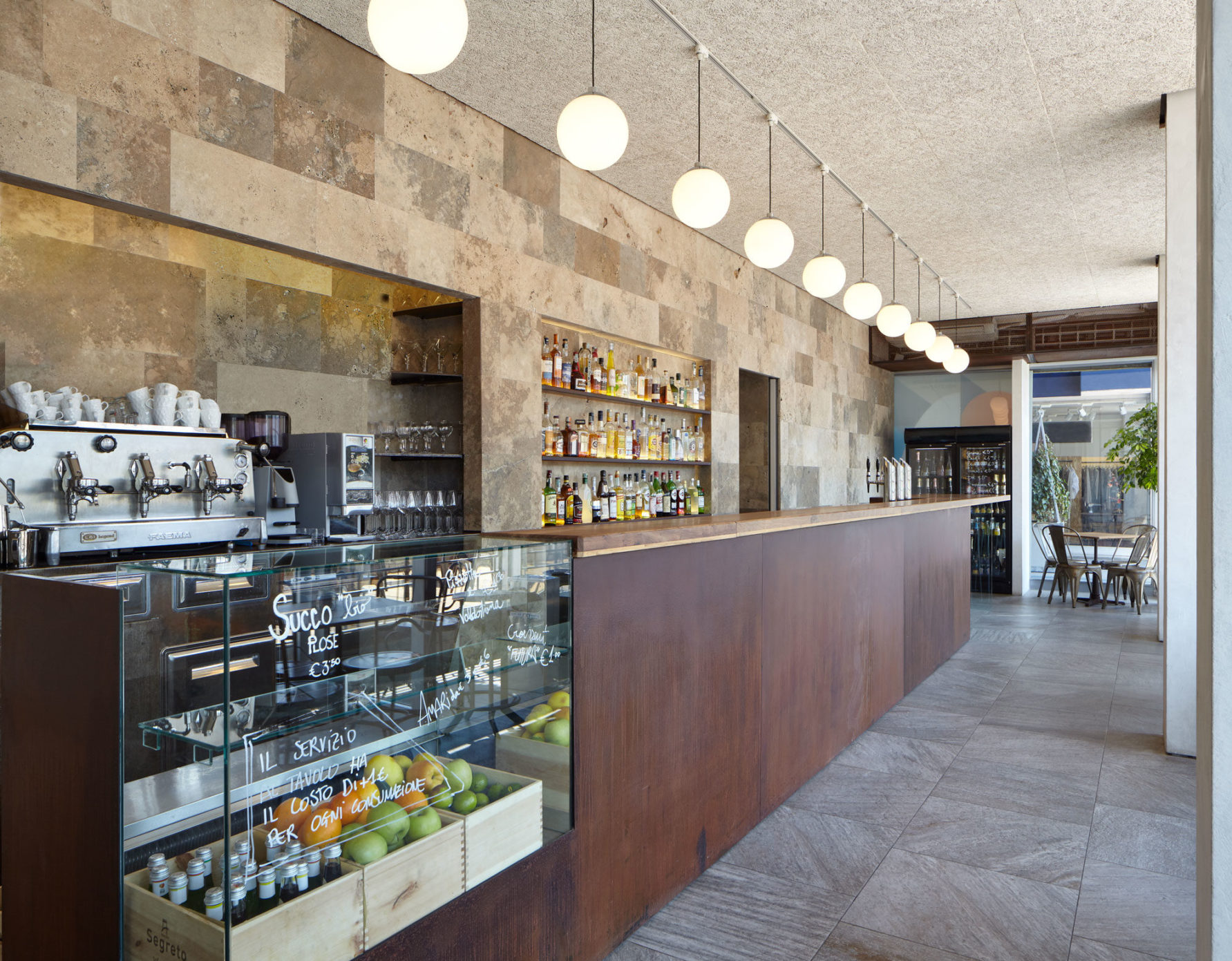
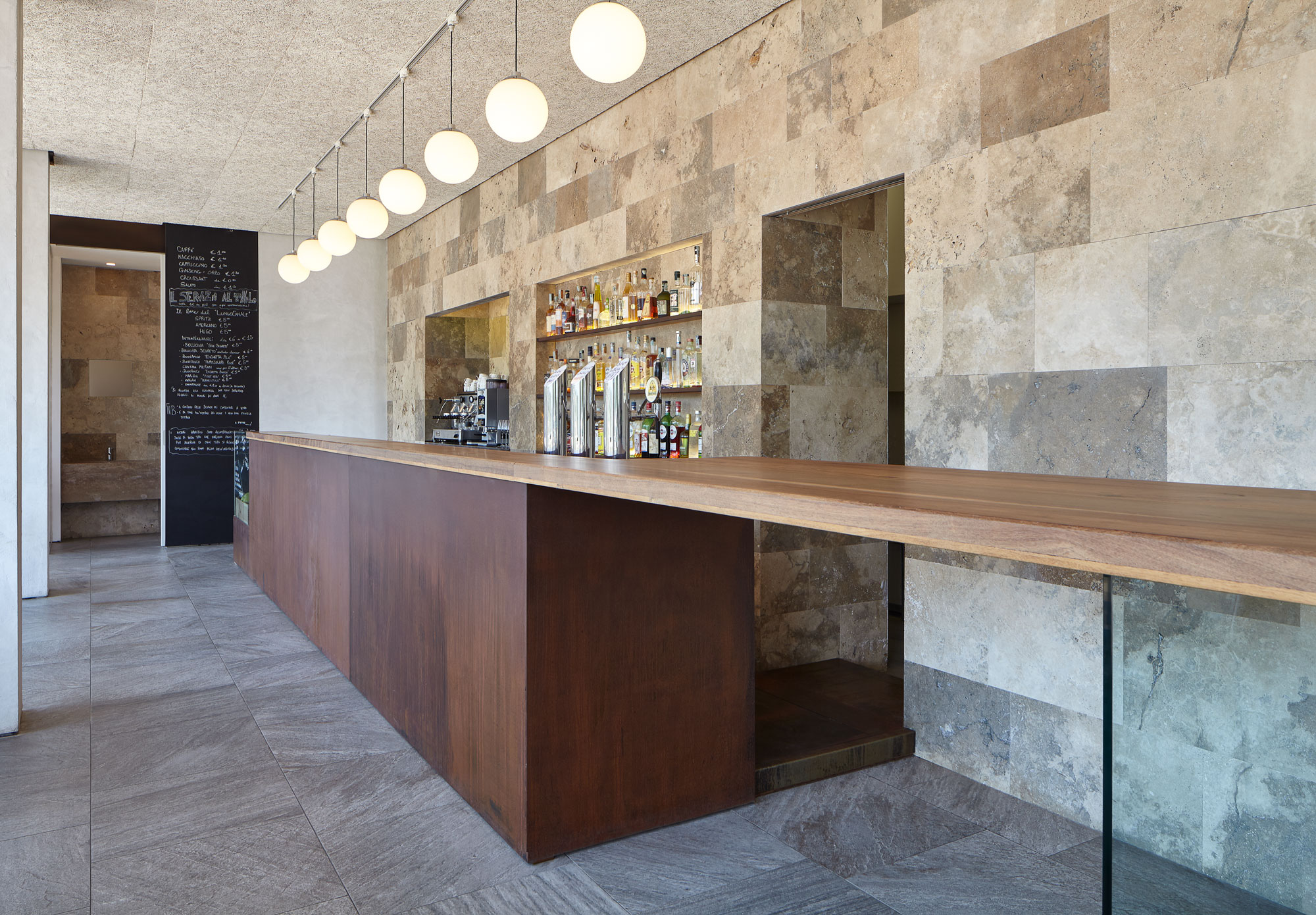
Photos of LungoCanale Bar by: Giovanni Romboni |
Photos of Fubi’s Restaurant by: Pietro Savorelli |