BLOG
7 novels every architect should read
Architects are a bit like writers. Their ability to observe the world down to the smallest details, finding or creating connections, can offer many experiences, both through imagined and real spaces.
Novels are therefore an excellent way to remember the creative possibilities offered by architecture and encourage you to dream; especially in this historical moment where imagination can take us out of the routine.
Remember: #stayhome
These 7 novels each have qualities that might interest the architect, the architecture student, and the “simple” curious reader. Happy reading and P.S. here are some more!
Elective Affinities
Starting from chemistry, this book by Johann Wolfgang von Goethe tells the story of a couple who, when living with his friend and her niece, see their relationship dissolve in favor of two new couples. Architecture enthusiasts claim it is among the first texts to mention when discussing landscape architecture.

Photos from the Window
Photos from the Window is a small book that contains photographs taken around the world. Each has its own caption, a reflection, not always positive, on architecture.

Invisible Cities
Yes, we know. This book by Italo Calvino is present in the home of every self-respecting architect, but for those who are not quite in the field, we highly recommend reading it. Masterpiece.

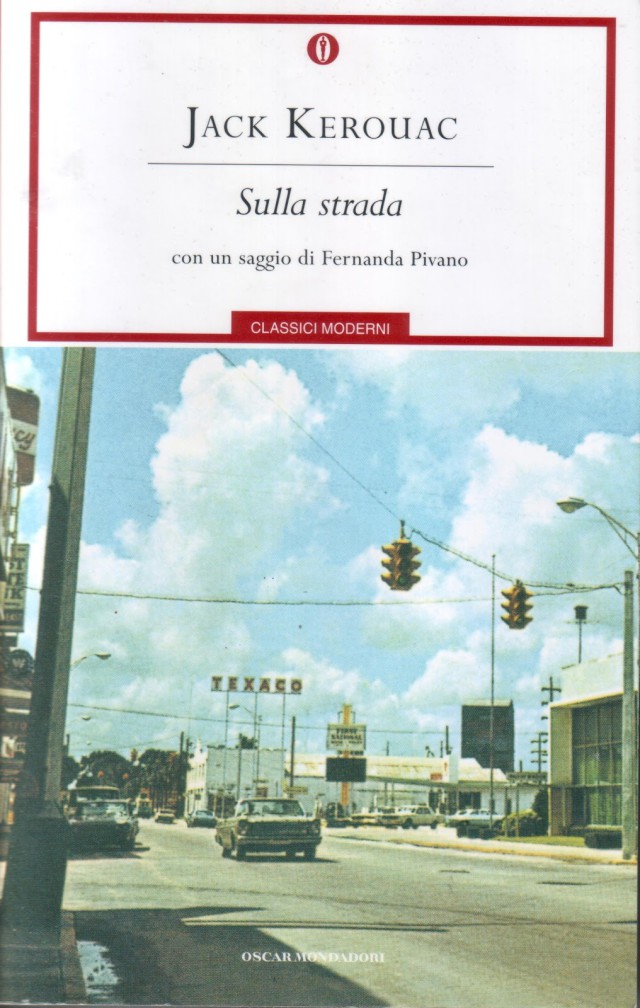
On the Road
The quintessential work of the Beat Generation is also an important novel for understanding the road network and built fabric, the architecture of outdoor spaces, of the United States of America.
High-Rise
The last of the trilogy (after Crash and Concrete Island), this book by Ballard, much loved in this field, takes place in the mid-seventies…”between the crisis of modernist functional urban planning and architectural postmodernism”. Essential. 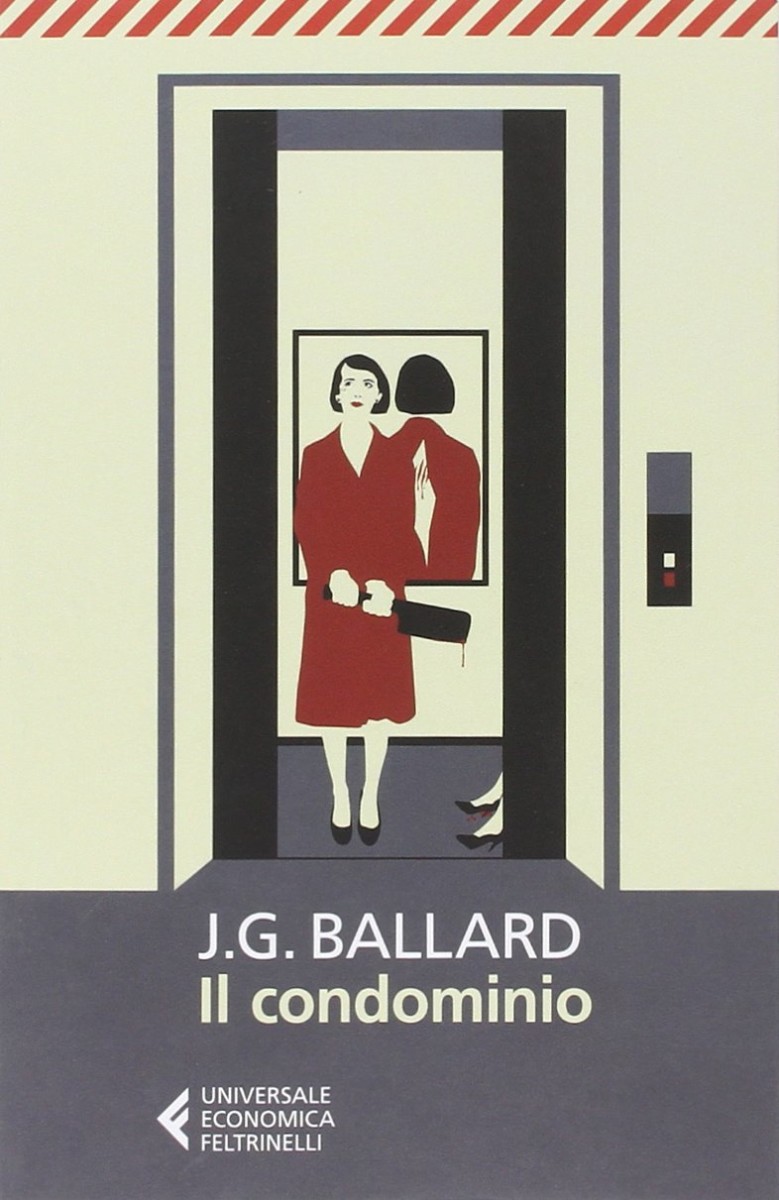
The Path to Community
Adriano Olivetti (entrepreneur, politician, and engineer) was able to make us come to terms with the Great Italian Beauty, when he emphasized, once again with this book, that anarchy has always existed here.

The English Patient
Following the narrative of a man whose identity and history are questionable, the relationship between space, memory, and time is fundamental. How do mapping, the organization of space, and boundaries fit into architecture?

As Charles Eames said “Eventually everything connects: people, ideas, objects.”
What will your next book be?