BLOG
2026 Furniture Trends: Styles and Influences
In recent years, there has been an accelerated need for reassuring, functional environments that express identity; trends have moved along two lines: on one hand, the search for calm and comfort through natural materials, neutral palettes, and minimalism; on the other, the desire for personalization, experimentation, and domestic storytelling.
Looking ahead to 2026, certain trends emerge that synthesize these needs; they are complementary visions that bridge past and future, tradition and innovation, for a home that is increasingly fluid and conscious.
Quiet Luxury Trend
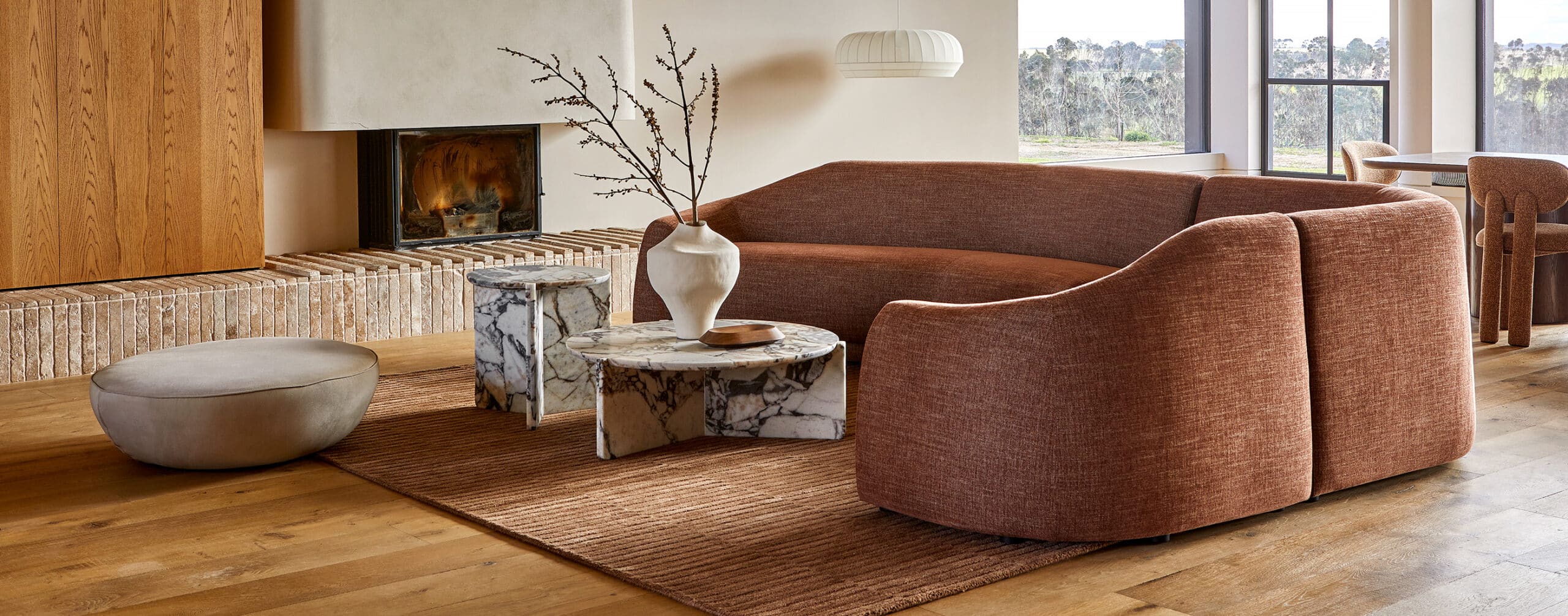
The concept of luxury is changing. No longer about ostentation, but about seeking quality, calm, and longevity: Quiet Luxury applied to interiors means choosing fewer objects, but carefully selected: fine fabrics, natural finishes, neutral palettes that promote concentration and mental well-being.
Simultaneously, minimalism evolves into a “mindful” approach. It’s no longer just about reducing, but about caring: every element, from the lamp to the armchair, is present because it brings beauty, utility, or joy. The result is not an empty space, but an environment that conveys completeness and harmony; in a world dominated by digital noise and accumulation, 2026 aims for homes that breathe tranquility.
Personalized, Biographical Multi-Spaces
Contemporary life blends work, leisure, and well-being in the same place. For this reason, environments are no longer rigid, but versatile; the living room will continue to transform into an office in the morning and a relaxation area in the evening thanks to sliding walls or modular furniture.
Personalization is another pillar of this trend. Bookshelves that tell literary passions, integrated mini-gyms, meditation corners, or spaces for a favorite hobby: each space becomes an authentic reflection of one’s identity.
Sculptural Furnishings
Furniture ceases to be a mere functional object and transforms into domestic sculpture: curved shapes, fluid lines, tables with abstract geometries; organic design replaces rectilinear rigidity and brings dynamism to spaces.
Chairs with enveloping lines, sofas with soft shapes, sculptural coffee tables become the stars of the scene. Beyond functionality, they offer an aesthetic value that makes the room unique, this trend dialogues with the need for personality: in a standardized world, having a piece of furniture ensures that your home is not a clone of others, creating more welcoming and vibrant atmospheres.
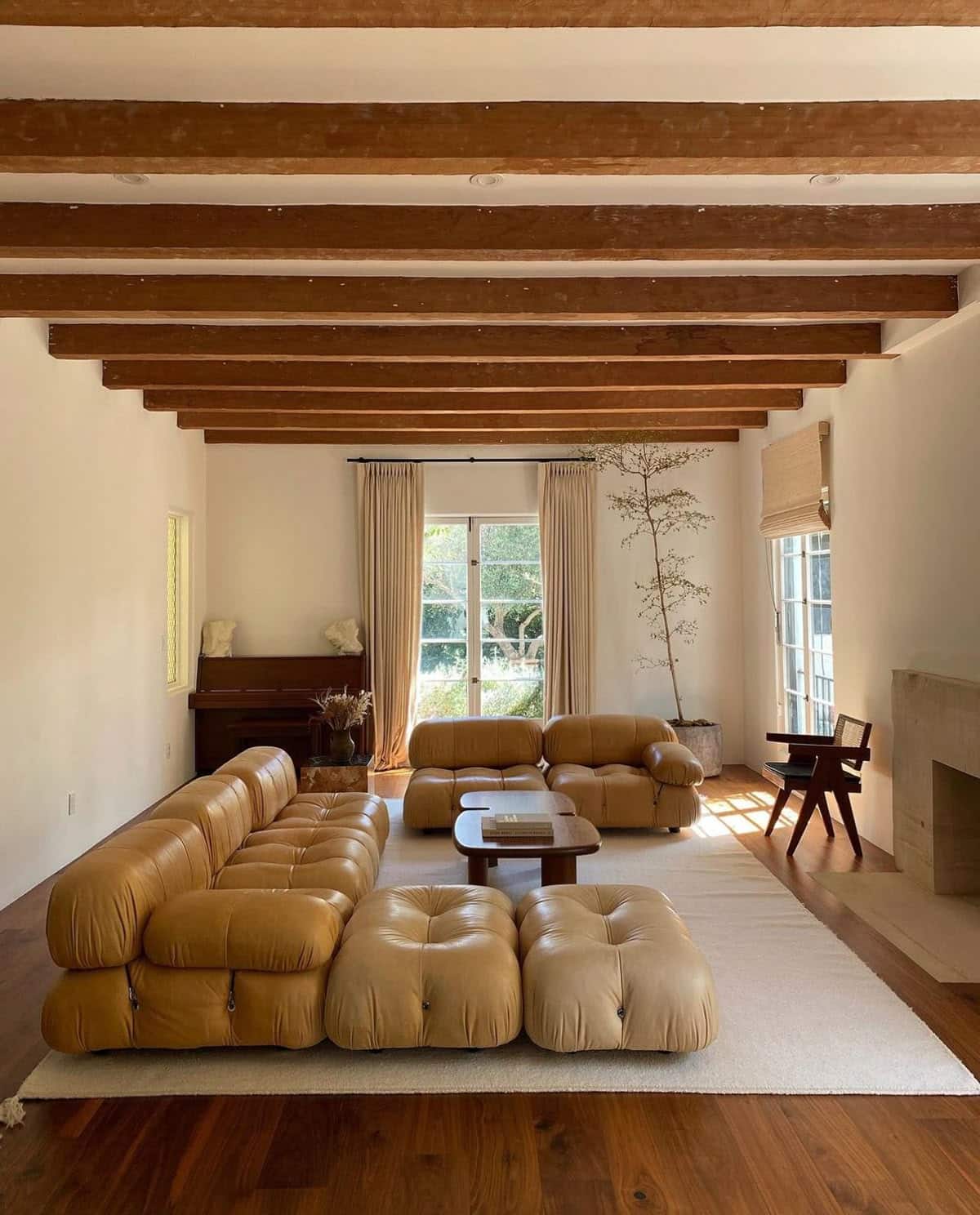
Ever heard of the Gustavian style?
Among the most fascinating comebacks is the Gustavian style, born in Sweden between the late 1700s and early 1800s: it is a more sober version of Rococo, characterized by clean lines, symmetry, and refined details. Furniture features slender legs, doors and columns are decorated with delicate inlays, while the palette ranges from soft pastels to natural tones. In 2026, this style returns for those seeking elegance without excess: bright, balanced, and orderly environments capable of combining tradition and contemporary freshness.
Or the transitional style?
Finally, a transitional style, transitional, is increasingly popular: it is a bridge between modern and classic, capable of integrating elements of both without falling into excess. A traditional sofa can coexist with a stone table with minimal lines; a contemporary artwork can dialogue with an antique piece of furniture. The strength of this trend lies in its flexibility: it does not force you to choose a single direction, but allows for mixing, balancing, and experimenting.
In this mosaic of styles and visions, a constant emerges: the home of the future will no longer be a uniform place, but an environment that reflects who we are, that evolves with us, and that, above all, welcomes us like no other space in the world.
Photo credits: Globwest / Pinterest